
Is a Tankless Water Heater Right for Your Lake Nona Home?
Living in Lake Nona means enjoying modern amenities and energy-efficient living. But is your traditional water heater keeping up with your lifestyle? Tankless water heaters offer endless hot water, lower energy bills, and space-saving designs that fit perfectly into Lake Nona’s innovative homes. Let’s explore whether this upgrade makes sense for your household. Energy Star certified tankless water heaters.
Tankless systems heat water on demand rather than storing it in a tank. This means no more cold showers when the tank runs out. For Lake Nona residents who value efficiency and modern technology, tankless units provide a smart solution that aligns with the community’s forward-thinking approach to home design.. Read more about Dealing With Hard Water in Celebration (Best Filtration Systems to Install).
Before making the switch, you need to understand how tankless water heaters work in Florida’s climate and whether your home can support the installation. Let’s break down everything you need to know about making this energy-efficient upgrade in your Lake Nona property.. Read more about Safe Gas Line Installation and Repair for Lake Nona Outdoor Kitchens.
How Tankless Water Heaters Work in Central Florida Homes
Tankless water heaters use high-powered burners or electric elements to heat water instantly as it flows through the unit. When you turn on a hot water tap, cold water travels through a pipe into the unit where it’s heated by either a gas burner or electric element. The result is a constant supply of hot water without the standby energy losses of traditional tank models.. Read more about Why Your Conway Home Has No Hot Water and How to Fix It Fast.
In Lake Nona’s warm climate, incoming water temperatures stay relatively high year-round. This means tankless units don’t have to work as hard as they would in colder regions, potentially improving efficiency. However, Florida’s hard water presents unique challenges that affect performance and longevity.
Water hardness in Orange County typically ranges from 10 to 15 grains per gallon. This mineral content can build up inside tankless heat exchangers, reducing efficiency over time. Professional installation includes water quality assessment and recommendations for scale prevention systems that protect your investment. Orange County permitting requirements.
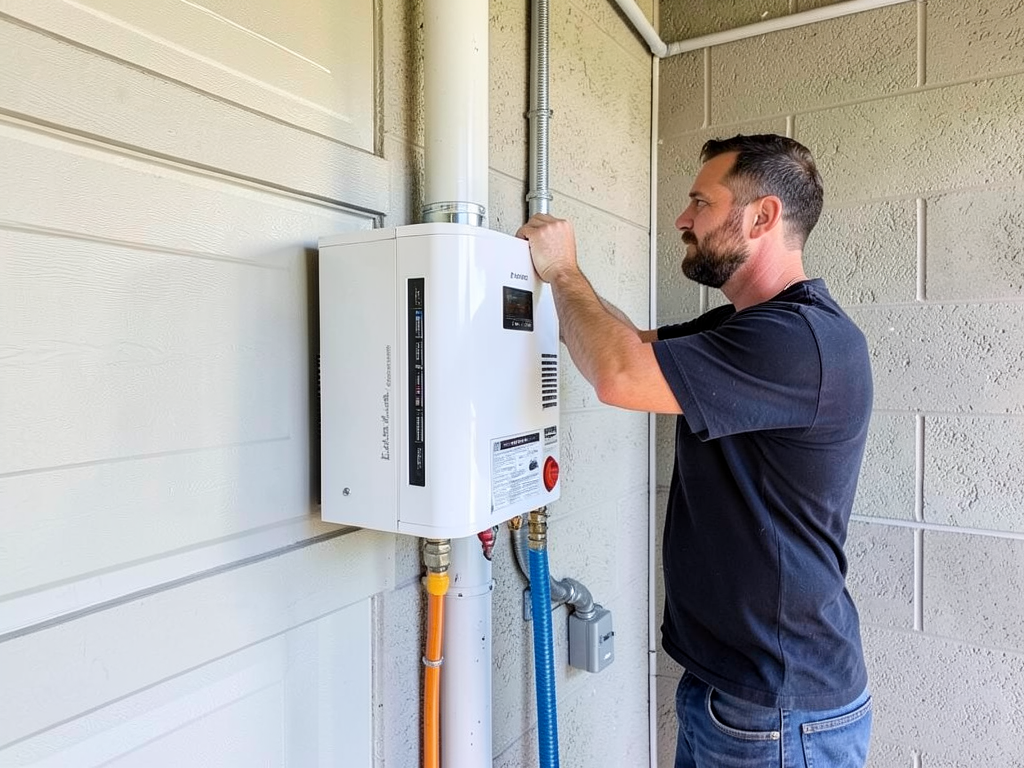
Image: A professional plumber installing a tankless water heater in a modern Lake Nona home, showing the compact wall-mounted unit and proper venting configuration.
Energy Savings and Cost Benefits for Lake Nona Residents
Tankless water heaters can reduce energy consumption by 24 to 34 percent for homes that use less than 41 gallons of hot water daily. For larger families in Lake Nona’s spacious homes, savings may be slightly lower but still significant. The units only heat water when needed, eliminating the constant energy drain of keeping 40 to 50 gallons hot 24/7.
Orlando Utilities Commission offers rebates for energy-efficient home improvements. Tankless water heaters that meet Energy Star certification may qualify for rebates that help offset installation costs. These programs change annually, so checking current OUC offerings before installation helps maximize your return on investment.
The federal government also provides tax credits for qualifying tankless water heaters. As of 2026, Energy Star-certified gas tankless water heaters may qualify for a tax credit of up to $300. This credit applies to both the equipment and installation costs when performed by a licensed professional.
Space-Saving Design Perfect for Modern Lake Nona Homes
Tankless water heaters mount on walls and take up minimal space compared to traditional 40 to 50-gallon tanks. This compact design frees up valuable floor space in utility closets, garages, or laundry rooms. In Lake Nona’s newer construction where every square foot matters, this space efficiency becomes a significant advantage.
The typical tankless unit measures about 18 inches high, 9 inches wide, and 3 inches deep. You can install it in a closet, on an exterior wall, or in a garage without the bulky footprint of a traditional tank. This flexibility allows for better use of space in homes where storage is at a premium.
For Lake Nona’s multi-story homes, tankless systems eliminate the need to carry hot water long distances from a basement tank. You can install units closer to bathrooms and kitchens, reducing wait times for hot water and minimizing heat loss through pipes.
Installation Requirements and Home Compatibility
Switching to tankless requires evaluating your home’s gas line capacity or electrical system. Gas tankless units need larger gas lines than traditional tanks – typically 3/4 inch instead of 1/2 inch. Your existing gas meter might need upgrading to handle the higher demand. Electric models require substantial electrical upgrades, often needing a 200-amp service panel.
Venting requirements for gas tankless units differ significantly from traditional tanks. These units produce more concentrated exhaust and need specific venting materials like stainless steel or PVC, depending on the model. Proper venting prevents carbon monoxide buildup and ensures safe operation. Building codes in Orange County require permits for all tankless water heater installations.
Water flow rates determine the right size for your home. A typical shower needs 2.5 gallons per minute, while a dishwasher requires 1.5 GPM. For a home with multiple bathrooms, you might need a unit that provides 7 to 9 GPM. Undersizing leads to lukewarm water during simultaneous use, while oversizing wastes money.
Hard Water Solutions for Lake Nona Tankless Systems
Central Florida’s hard water creates specific maintenance needs for tankless water heaters. Mineral scale buildup inside heat exchangers reduces efficiency and can eventually damage the unit. Professional installation includes water testing to determine hardness levels and recommend appropriate scale prevention systems.
Water softeners work well for tankless systems but require regular maintenance and salt replenishment. Alternative scale prevention devices use template-assisted crystallization to prevent mineral buildup without chemicals or salt. These systems work particularly well in Lake Nona where traditional softeners might conflict with the community’s water conservation goals.
Annual maintenance includes descaling the heat exchanger using food-grade citric acid solutions. This process removes mineral buildup and restores efficiency. Homes with extremely hard water might need this service every six months. Professional plumbers use specialized equipment to flush the system and check for potential issues.
Cost Comparison: Tankless vs Traditional Water Heaters
Initial costs for tankless water heaters run higher than traditional tanks. A quality tankless unit costs $1,000 to $3,000, while installation adds $1,500 to $3,000 for gas models or $1,000 to $2,500 for electric. Traditional tank water heaters cost $500 to $1,000 with installation around $500 to $1,000.
However, operating costs tell a different story. Tankless units typically save $100 to $200 annually on energy bills. With a 20-year lifespan compared to 10-15 years for traditional tanks, tankless systems often provide better long-term value. The break-even point usually occurs within 5 to 7 years of installation.
Financing options make tankless upgrades more accessible. Many homeowners use home improvement loans or financing through their utility provider. Some manufacturers offer promotional financing with deferred interest for qualified buyers. These options spread costs over time while you enjoy immediate energy savings.
| Feature | Tankless Water Heater | Traditional Tank |
|---|---|---|
| Initial Cost | $2,500 – $6,000 | $1,000 – $2,000 |
| Energy Efficiency | 24-34% savings | Standard efficiency |
| Lifespan | 20 years | 10-15 years |
| Space Required | Wall-mounted, minimal | Floor space, bulky |
| Hot Water Supply | Endless | Limited by tank size |
| Maintenance | Annual descaling | Minimal |
Choosing Between Gas and Electric Tankless Models
Gas tankless water heaters provide higher flow rates and work during power outages if they have a pilot light. They suit larger homes in Lake Nona where multiple bathrooms might run simultaneously. However, they require proper venting and gas line upgrades that add to installation complexity and cost.
Electric tankless units install more easily since they don’t need venting or gas lines. They work well for smaller homes or point-of-use applications like a single bathroom or kitchen sink. Electric models cost less upfront but might struggle to provide adequate hot water for simultaneous multiple uses in larger households.
Orlando’s utility rates affect operating costs. OUC electricity rates average around 12 cents per kilowatt-hour, while natural gas costs about $1.50 per therm. Your specific usage patterns and local utility rates determine which fuel type provides better long-term value. Professional assessment helps identify the optimal choice for your home.
Professional Installation Process in Lake Nona
Professional installation begins with a home assessment to determine your hot water needs and existing infrastructure compatibility. Technicians measure water flow rates, check gas line capacity or electrical service, and evaluate venting options. This assessment ensures the selected unit meets your household’s demands without oversizing.
Permitting follows Florida Building Code requirements. Orange County requires permits for all water heater replacements, including tankless conversions. Licensed plumbers handle permit applications, inspections, and ensure all work meets local codes. This protects your investment and maintains home insurance validity.
Installation typically takes 4 to 8 hours for a straightforward replacement. Complex installations requiring gas line upgrades or electrical panel modifications might take 1 to 2 days. Professional installers test the system thoroughly, explain operation to homeowners, and provide maintenance schedules to maximize unit longevity.
Maintenance Requirements for Optimal Performance
Tankless water heaters need annual maintenance to maintain efficiency and prevent premature failure. This service includes descaling the heat exchanger, checking gas connections or electrical components, inspecting venting systems, and testing safety features. Homes with hard water might need twice-yearly maintenance to prevent scale buildup.
DIY maintenance includes cleaning inlet filters every three months and checking for error codes on the digital display. However, professional service ensures proper descaling and identifies potential issues before they cause system failure. Many manufacturers require professional maintenance to keep warranties valid.
Warning signs that indicate maintenance needs include reduced hot water temperature, longer wait times for hot water, or error codes on the unit display. Ignoring these signs can lead to complete system failure and costly emergency repairs. Regular maintenance prevents these issues and extends system life.
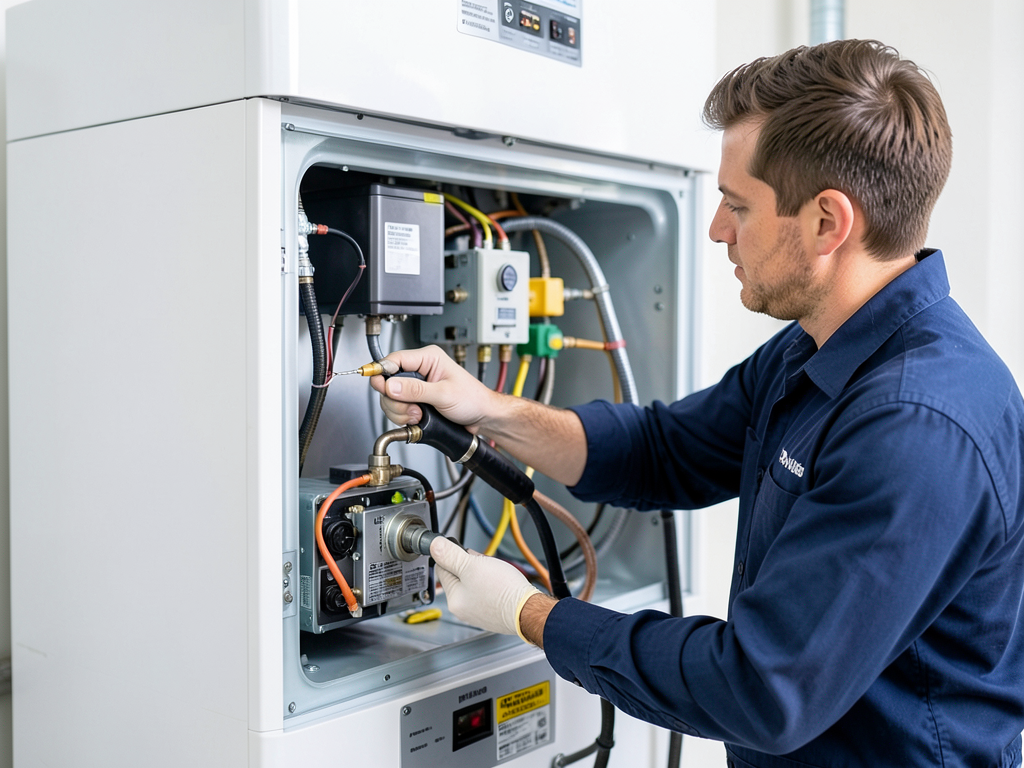
Image: A technician performing annual maintenance on a tankless water heater, showing the descaling process and inspection of critical components.
Environmental Impact and Sustainability
Tankless water heaters reduce energy consumption and carbon emissions compared to traditional tanks. By heating water only when needed, they eliminate the constant energy drain of maintaining hot water in a storage tank. This efficiency aligns with Lake Nona’s sustainability goals and smart city initiatives.
Modern tankless units achieve efficiency ratings of up to 98 percent, meaning almost all the energy consumed goes directly to heating water. Traditional tanks lose heat through tank walls and pipes, wasting energy even when no hot water is being used. This efficiency reduction helps lower your home’s carbon footprint.
Many tankless manufacturers use recycled materials and design units for easy recycling at end of life. Some companies offer recycling programs that ensure responsible disposal of old units. This cradle-to-grave sustainability approach appeals to environmentally conscious Lake Nona residents.
Common Issues and Troubleshooting
Scale buildup causes most tankless water heater problems in Florida. Symptoms include reduced hot water temperature, longer heating times, and error codes indicating flow restrictions. Regular descaling prevents these issues, but neglect can lead to complete heat exchanger failure requiring expensive replacement.
Gas supply problems affect performance. Low gas pressure, improper gas line sizing, or faulty gas valves can cause the unit to shut down or provide inadequate hot water. These issues require professional diagnosis since they involve gas line safety and proper combustion.
Hard water can cause mineral buildup in flow sensors, leading to false readings and system shutdowns. Cleaning or replacing these sensors restores proper operation. Some units include self-cleaning features that automatically flush the system to prevent buildup, particularly useful in Lake Nona’s hard water conditions.
Is Tankless Right for Your Lake Nona Home?
Tankless water heaters suit Lake Nona residents who value energy efficiency, modern technology, and space-saving design. They work best for homes with adequate gas service or electrical capacity, households that use moderate amounts of hot water, and residents willing to invest in professional maintenance.
However, tankless systems might not suit every situation. Homes with very high hot water demand during peak times might need multiple units or a hybrid system. Properties with limited gas service or inadequate electrical capacity face higher installation costs. The higher upfront investment might not justify the benefits for some households.
Consider your household’s hot water usage patterns, available utilities, budget constraints, and long-term plans. Professional assessment helps determine whether tankless conversion provides the best value for your specific situation. Many Lake Nona homeowners find the energy savings and convenience worth the investment.
Getting Started with Your Tankless Upgrade
Start by scheduling a professional assessment of your home’s hot water needs and existing infrastructure. This evaluation determines the appropriate unit size, identifies necessary upgrades, and provides accurate cost estimates. Licensed plumbers familiar with Lake Nona’s building codes and water quality can recommend optimal solutions.
Research current utility rebates and tax incentives that reduce installation costs. OUC and federal programs change periodically, so verify current offerings before making decisions. Some contractors handle rebate paperwork as part of their service, simplifying the process for homeowners.
Choose a licensed, insured contractor with tankless water heater experience. Verify credentials, check reviews from other Lake Nona residents, and ensure they pull required permits. Professional installation protects your warranty and ensures safe, code-compliant operation.
Call (239) 467-5554 today to schedule your free assessment and learn how a tankless water heater can transform your Lake Nona home’s hot water experience.
Frequently Asked Questions
How long do tankless water heaters last in Florida’s climate?
Quality tankless water heaters typically last 20 years with proper maintenance. Florida’s hard water requires more frequent descaling, which can extend or reduce lifespan depending on maintenance quality. Annual professional service helps achieve maximum longevity.
Can I install a tankless water heater myself?
Professional installation is strongly recommended for tankless water heaters. These units involve gas lines, high-voltage electricity, or both, plus specific venting requirements. Improper installation creates safety hazards and voids warranties. Orange County requires permits and inspections for all water heater installations.
Do tankless water heaters work during power outages?
Gas tankless units with pilot lights continue working during power outages, while electric models and gas units with electronic ignition require electricity. Consider a battery backup system if uninterrupted hot water during outages is important for your household.
How much space will I save with a tankless unit?
Traditional water heaters take up 40 to 50 gallons of floor space in a 2×2 foot area. Tankless units mount on walls and measure about 18x9x3 inches. This frees up valuable floor space in utility closets, garages, or laundry rooms.
What maintenance do tankless water heaters require?
Annual professional maintenance includes descaling the heat exchanger, checking gas or electrical connections, and inspecting venting. Homes with hard water might need service every six months. DIY tasks include cleaning inlet filters every three months and checking for error codes.
Are tankless water heaters worth the investment?
For many Lake Nona homeowners, yes. The energy savings, endless hot water, and space efficiency often justify the higher upfront costs. With 20-year lifespans and available rebates, most homeowners break even within 5 to 7 years while enjoying improved comfort and efficiency.
Ready to upgrade your home’s hot water system? Call (239) 467-5554 now to speak with our tankless water heater specialists and get your free assessment scheduled today.
{
“@context”: “https://schema.org”,
“@type”: “BlogPosting”,
“headline”: “Is a Tankless Water Heater Right for Your Lake Nona Home?”,
“description”: “Discover if a tankless water heater fits your Lake Nona home. Learn about energy savings, installation costs, and local rebates in this expert guide.”,
“wordCount”: 2495,
“datePublished”: “2026-02-15T11:38:00.000Z”,
“dateModified”: “2026-02-15T11:38:00.000Z”,
“inLanguage”: “en-US”,
“mainEntityOfPage”: {
“@type”: “WebPage”,
“@id”: “https://grandplumbingorlando.com”
},
“publisher”: {
“@type”: “LocalBusiness”,
“name”: “Grand Plumbing Orlando”,
“url”: “https://grandplumbingorlando.com”
},
“author”: {
“@type”: “Organization”,
“name”: “Grand Plumbing Orlando”,
“url”: “https://grandplumbingorlando.com”
},
“image”: {
“@type”: “ImageObject”,
“url”: “https://grandplumbingorlando.com/wp-content/uploads/2026/03/is-a-tankless-water-heater-right-for-your-lake-non-1.png”
}
}
{
“@context”: “https://schema.org”,
“@type”: “Plumber”,
“name”: “Grand Plumbing Orlando”,
“url”: “https://grandplumbingorlando.com”,
“address”: {
“@type”: “PostalAddress”,
“addressLocality”: “Orlando”
},
“areaServed”: {
“@type”: “City”,
“name”: “Orlando”
}
}
{
“@context”: “https://schema.org”,
“@type”: “FAQPage”,
“mainEntity”: [
{
“@type”: “Question”,
“name”: “Is Tankless Right for Your Lake Nona Home?”,
“acceptedAnswer”: {
“@type”: “Answer”,
“text”: “Tankless water heaters suit Lake Nona residents who value energy efficiency, modern technology, and space-saving design. They work best for homes with adequate gas service or electrical capacity, households that use moderate amounts of hot water, and residents willing to invest in professional maintenance.”
}
},
{
“@type”: “Question”,
“name”: “How long do tankless water heaters last in Florida’s climate?”,
“acceptedAnswer”: {
“@type”: “Answer”,
“text”: “Quality tankless water heaters typically last 20 years with proper maintenance. Florida’s hard water requires more frequent descaling, which can extend or reduce lifespan depending on maintenance quality. Annual professional service helps achieve maximum longevity.”
}
},
{
“@type”: “Question”,
“name”: “Can I install a tankless water heater myself?”,
“acceptedAnswer”: {
“@type”: “Answer”,
“text”: “Professional installation is strongly recommended for tankless water heaters. These units involve gas lines, high-voltage electricity, or both, plus specific venting requirements. Improper installation creates safety hazards and voids warranties. Orange County requires permits and inspections for all water heater installations.”
}
},
{
“@type”: “Question”,
“name”: “Do tankless water heaters work during power outages?”,
“acceptedAnswer”: {
“@type”: “Answer”,
“text”: “Gas tankless units with pilot lights continue working during power outages, while electric models and gas units with electronic ignition require electricity. Consider a battery backup system if uninterrupted hot water during outages is important for your household.”
}
},
{
“@type”: “Question”,
“name”: “How much space will I save with a tankless unit?”,
“acceptedAnswer”: {
“@type”: “Answer”,
“text”: “Traditional water heaters take up 40 to 50 gallons of floor space in a 2×2 foot area. Tankless units mount on walls and measure about 18x9x3 inches. This frees up valuable floor space in utility closets, garages, or laundry rooms.”
}
},
{
“@type”: “Question”,
“name”: “What maintenance do tankless water heaters require?”,
“acceptedAnswer”: {
“@type”: “Answer”,
“text”: “Annual professional maintenance includes descaling the heat exchanger, checking gas or electrical connections, and inspecting venting. Homes with hard water might need service every six months. DIY tasks include cleaning inlet filters every three months and checking for error codes.”
}
},
{
“@type”: “Question”,
“name”: “Are tankless water heaters worth the investment?”,
“acceptedAnswer”: {
“@type”: “Answer”,
“text”: “For many Lake Nona homeowners, yes. The energy savings, endless hot water, and space efficiency often justify the higher upfront costs. With 20-year lifespans and available rebates, most homeowners break even within 5 to 7 years while enjoying improved comfort and efficiency.”
}
}
]
}
{
“@context”: “https://schema.org”,
“@type”: “BreadcrumbList”,
“itemListElement”: [
{
“@type”: “ListItem”,
“position”: 1,
“name”: “Home”,
“item”: “https://grandplumbingorlando.com”
},
{
“@type”: “ListItem”,
“position”: 2,
“name”: “Blog”,
“item”: “https://grandplumbingorlando.com/blog”
},
{
“@type”: “ListItem”,
“position”: 3,
“name”: “Is a Tankless Water Heater Right for Your Lake Nona Home?”
}
]
}
{
“@context”: “https://schema.org”,
“@type”: “Service”,
“serviceType”: “Plumbing”,
“provider”: {
“@type”: “LocalBusiness”,
“name”: “Grand Plumbing Orlando”,
“url”: “https://grandplumbingorlando.com”
},
“areaServed”: {
“@type”: “City”,
“name”: “Orlando”
},
“description”: “Discover if a tankless water heater fits your Lake Nona home. Learn about energy savings, installation costs, and local rebates in this expert guide.”
}