menu

Grease Trap Cleaning & Pumping in Orlando | Keep Your Kitchen Running and Code-Compliant

Professional grease trap cleaning and pumping services designed to prevent backups, eliminate health violations, and protect your restaurant from costly shutdowns across the Orlando metro area.

Slider Image 1
Slider Image 2
Slider Image 3
Slider Image 4
Slider Image 5
Slider Image 7
Slider Image 8
Slider Image 9
Slider Image 10
Slider Image 11

Why Orlando Restaurants Face Unique Grease Management Challenges

Orlando's year-round heat accelerates grease buildup in ways colder climates never see. When ambient temperatures hover near 90 degrees for eight months straight, fats, oils, and grease cool more slowly in trap lines. This creates thicker accumulations that solidify against interceptor walls and constrict flow capacity faster than standard maintenance schedules account for.

The tourism-driven restaurant density in downtown Orlando, International Drive, and Lake Nona means commercial kitchens operate at higher volumes than most cities our size. More covers per night equals more grease waste per shift. When a grease interceptor reaches 25 percent capacity, flow rates drop and the risk of sanitary sewer overflows increases. Orange County health inspectors know this. They check trap logs during routine visits, and missing commercial grease trap pumping records trigger red flags.

Florida's flat topography and high water table add another variable. Grease trap waste removal becomes more urgent when groundwater sits just feet below your parking lot. A neglected trap can leak into surrounding soil and contaminate the aquifer. The cost of environmental remediation dwarfs the expense of scheduled grease trap cleanout service.

Restaurant grease trap service is not optional in Orlando. It is infrastructure maintenance that protects your business license, your insurance coverage, and your reputation. Horizon Plumbing Seattle understands the operational tempo of high-volume kitchens and the regulatory environment that governs them.

Why Orlando Restaurants Face Unique Grease Management Challenges
How Commercial Grease Interceptor Cleaning Protects Business Continuity

How Commercial Grease Interceptor Cleaning Protects Business Continuity

A grease trap cleanout is not a simple pump-and-go operation. Effective service requires complete extraction of all three waste layers: floating grease cap, wastewater midline, and settled solids at the bottom. Partial pumping leaves residue that accelerates the next buildup cycle and shortens the interval between service calls.

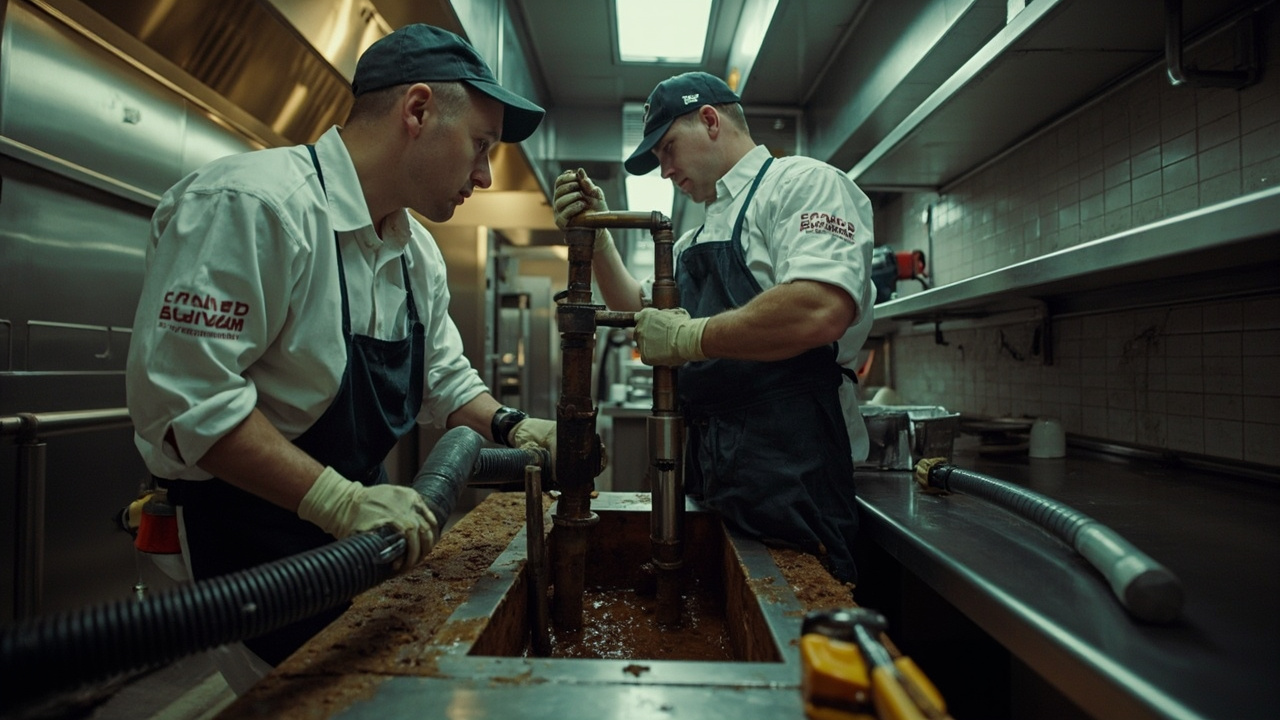
We use truck-mounted vacuum systems with sufficient capacity to handle interceptors ranging from 500 to 2,000 gallons in a single visit. The process begins by breaking the surface grease layer to prevent clogs in the vacuum hose. Once the float is disrupted, we extract liquid and solids simultaneously, ensuring the trap basin is scraped clean down to the concrete.

After waste removal, we pressure-wash interior walls to eliminate biofilm and residual fats clinging to baffles and inlet pipes. This step prevents the formation of hardened grease dams that reduce hydraulic capacity. We also inspect the condition of gaskets, access lids, and baffle walls for cracks or corrosion that could allow untreated wastewater to bypass the trap entirely.

Grease interceptor cleaning includes documentation. You receive a detailed service ticket showing gallons removed, trap condition, and the next recommended service date. This paperwork satisfies health department record-keeping requirements and provides a defensible audit trail if you ever face a compliance inquiry.

We coordinate service windows around your kitchen schedule. Most commercial grease trap pumping happens during off-peak hours to avoid disrupting prep or service. Our dispatch team schedules recurring visits based on your actual grease load, not arbitrary monthly intervals that may leave you under-serviced or paying for unnecessary trips.


What Happens During a Grease Trap Cleanout

Grease Trap Cleaning & Pumping in Orlando | Keep Your Kitchen Running and Code-Compliant
01

Site Assessment and Prep

Our technician arrives with a truck-mounted vacuum unit and positions it to access your grease trap or interceptor. We verify trap size, locate all access points, and confirm there are no structural obstructions. Before opening the lid, we check for gas buildup using a combustible gas detector. This prevents ignition hazards and ensures safe entry into the confined space environment.
02

Complete Waste Extraction

We remove the access cover and begin extracting all three waste layers using high-capacity vacuum hoses. The floating grease cap is broken up first, followed by liquid waste and settled solids at the basin floor. We scrape baffle walls and inlet pipes to remove adhered grease films. The goal is zero residue, which maximizes the time until your next service and prevents premature capacity loss.
03

Inspection and Documentation

After cleaning, we inspect the trap structure for cracks, corroded baffles, or damaged gaskets. You receive a printed service report showing gallons pumped, trap condition, and your next recommended service date. This documentation satisfies Orange County health code requirements and provides proof of compliance during inspections. We also update your service history in our system to ensure you never miss a scheduled cleanout.

Why Orlando Businesses Trust Local Grease Trap Specialists

Restaurants operating in Orange, Seminole, and Osceola counties face specific grease management regulations that vary by jurisdiction. Orange County Environmental Protection Division enforces strict fats, oils, and grease discharge limits under municipal code Chapter 25. Violations result in fines starting at $500 and escalate quickly for repeat offenders. We stay current on these regulations and structure service intervals to keep you compliant.

Local knowledge matters when navigating Orlando's aging commercial infrastructure. Many downtown buildings and older strip centers along Colonial Drive or Orange Blossom Trail have undersized grease traps installed before modern code requirements took effect. These legacy systems require more frequent pumping to handle current kitchen loads. We evaluate your actual grease production and recommend right-sized service schedules, not cookie-cutter monthly plans that may leave you exposed.

Tourism seasonality affects grease accumulation rates. Theme park proximity drives higher covers during summer and holiday peaks. A trap that handles normal loads in September may overflow during Thanksgiving week without adjusted service. We track your volume patterns and proactively schedule additional cleanouts during your busy seasons.

Grand Plumbing Orlando operates 24-hour dispatch for grease emergencies. A backed-up trap does not wait for business hours. When wastewater starts pooling in your dish pit at 9 p.m. on a Saturday, you need a pump truck on-site before the health inspector shows up Monday morning. We respond to after-hours calls and prioritize restaurants facing imminent shutdown risk.

We also work directly with local waste haulers permitted by the Florida Department of Environmental Protection. Your grease waste is transported to approved rendering facilities, not dumped illegally. You receive manifests proving proper disposal, which protects you from liability if a hauler cuts corners.

What to Expect from Professional Grease Trap Service

Response Time and Scheduling Flexibility

Most scheduled cleanouts happen within 48 hours of your requested date. We coordinate with your kitchen manager to identify low-traffic windows, typically early morning or late night, to avoid disrupting service. Emergency calls for backed-up traps receive same-day response. Our dispatch team monitors trap capacity alerts if you opt into our remote monitoring program, which uses sensor technology to predict when you are approaching 25 percent full and automatically schedules service before you hit the health code threshold.

Trap Condition Assessment

Every service includes a visual inspection of your interceptor structure. We check for cracks in the concrete basin, corroded baffle walls, damaged inlet and outlet tees, and worn gaskets on access lids. If we identify structural issues, you receive a written assessment with photos and repair recommendations. This prevents small problems from becoming expensive emergencies. We also measure sludge depth and grease cap thickness to verify your current service interval matches your actual grease load. If you are filling faster than expected, we adjust your schedule before you face a backup.

Complete Waste Removal and Clean Basin

You pay for complete extraction, not partial pumping. We remove all floating grease, liquid waste, and settled solids, then pressure-wash interior surfaces to eliminate biofilm and residual fats. The trap is returned to full hydraulic capacity, which maximizes the time until your next service. You also receive accurate gallonage documentation showing exactly how much waste was removed. This data helps you track grease production trends and identify opportunities to reduce waste through kitchen process improvements or better employee training on grease disposal practices.

Compliance Documentation and Service Records

Every cleanout generates a service ticket showing the date, gallons pumped, trap condition, and next recommended service date. These records satisfy Orange County health department requirements and provide defensible proof of compliance during inspections. We maintain digital copies of all service history, so you never lose documentation due to office turnover or filing errors. You can request copies anytime for audits, insurance claims, or lease renewals. We also provide waste manifests showing your grease was transported to permitted rendering facilities, which protects you from liability if a hauler disposes of waste improperly.

Frequently Asked Questions

You Have Questions,
We Have Answers

How Orlando's High Water Table Affects Grease Trap Maintenance

Central Florida's water table sits just three to five feet below ground level in most of Orlando. This shallow depth means grease traps and interceptors operate in near-constant contact with groundwater. A cracked basin or failed gasket allows fats, oils, and grease to leach into surrounding soil and migrate directly into the aquifer. The Florida Department of Environmental Protection treats these incidents as groundwater contamination events, which trigger mandatory remediation and potential fines. Regular grease trap cleanout service includes visual inspections that catch structural failures before they become environmental violations.

Plumbing Services in The Orlando Area

Our central location allows us to efficiently dispatch our professional plumbing crews across the entire Orlando metropolitan area and its surrounding suburbs. We invite all our clients to view our service map to confirm coverage and to see the extent of the communities we proudly serve. Trust us to be there quickly, offering the same level of Grand Plumbing expertise wherever you are in the region.

Address:
Grand Plumbing Orlando, 618 E South St, Orlando, FL, 32801

Additional Services We Offer

Our news updates

Latest Articles & News from The Blogs

Choosing the Best Kitchen Sink Material to Hide Hard Water Spots in Ocoee If you live in Ocoee, you already…

Choosing the Best Kitchen Sink Material to Hide Hard Water Spots in Ocoee

Choosing the Best Kitchen Sink Material to Hide Hard Water Spots in Ocoee If you live in Ocoee, you already…

French Drains vs Catch Basins (Solving Backyard Water Pooling in Casselberry)

French Drains vs Catch Basins (Solving Backyard Water Pooling in Casselberry) Water pooling in your Casselberry backyard after a summer…

Are Touchless Kitchen Faucets Actually Reliable for Your Winter Park Home?

Are Touchless Kitchen Faucets Actually Reliable for Your Winter Park Home Touchless kitchen faucets promise convenience and hygiene but Winter…

Contact Us

A full trap shuts down your kitchen and puts your health permit at risk. Call Grand Plumbing Orlando at (239) 467-5554 to schedule service or request an emergency cleanout. We respond fast and document everything.