




menu

How to Prevent Frozen Pipes in Orlando – Expert Winter Protection Strategies for Central Florida Homes

Learn proven frozen pipe prevention methods designed specifically for Orlando's unique winter conditions, from rare freeze events to sudden temperature drops that catch homeowners off guard.

Slider Image 1
Slider Image 2
Slider Image 3
Slider Image 4
Slider Image 5
Slider Image 7
Slider Image 8
Slider Image 9
Slider Image 10
Slider Image 11

Why Orlando Homeowners Face Hidden Freeze Risks

You might think frozen pipes only happen up north. That assumption costs Orlando homeowners thousands every winter.

Central Florida's subtropical climate creates a dangerous false sense of security. When temperatures drop into the low 30s or high 20s, even for just a few hours overnight, your plumbing system faces serious risk. The problem is worse here than in consistently cold climates because Orlando homes were never built for freezing weather.

Most residential construction in the greater Orlando metro area lacks the cold-weather protections standard in northern states. Exterior walls carry minimal insulation. Pipes run through unheated crawl spaces, attics, and garage walls. Pool equipment sits exposed in backyard installations. When a rare freeze warning hits, these vulnerable points become disaster zones.

The clay soil common throughout Orange County compounds the issue. When water freezes in underground supply lines, the expanding ice has nowhere to go. The pressure builds until something breaks. By morning, you are dealing with burst pipes flooding your home.

Stopping pipes from freezing requires understanding these local vulnerabilities. Keeping water pipes from freezing in Orlando means protecting systems that were never designed for cold stress. The homes in neighborhoods like Winter Park, Lake Nona, and Baldwin Park all share these construction patterns. Protecting pipes from freezing here is different than winterizing plumbing pipes in Boston or Chicago.

You need strategies tailored to short-duration freeze events, not months of sustained cold. That distinction matters when you are choosing frozen pipe prevention tips that actually work in Central Florida conditions.

Why Orlando Homeowners Face Hidden Freeze Risks
The Science Behind Effective Pipe Protection

The Science Behind Effective Pipe Protection

Water expands roughly nine percent when it freezes. That expansion creates over 2,000 pounds per square inch of pressure inside your pipes. Copper, PEX, and PVC all fail under that force, but they fail differently.

Copper splits along seams. PEX bulges and cracks at fittings. PVC shatters. The failure point is almost never where you expect it. The ice forms at the coldest spot, but the break happens downstream where pressure finds the weakest point in the system.

Winterizing plumbing pipes effectively means maintaining water temperature above 32 degrees at every vulnerable point. You accomplish this through three mechanisms: insulation, heat application, and water movement.

Insulation slows heat loss but provides zero protection once ambient temperature drops below freezing for extended periods. Foam pipe sleeves help, but only if you wrap every exposed inch. Miss six inches of copper under your kitchen sink, and you have accomplished nothing.

Heat tape and heat cable provide active protection. These electrical resistance products generate warmth along the pipe length. Quality installations include thermostat controls that activate automatically when temperatures approach freezing. The challenge is proper installation. Overlapping heat tape creates hot spots that melt pipes. Gaps leave cold zones where ice still forms.

Moving water resists freezing longer than static water. That is why the old advice about leaving faucets dripping works. The constant flow prevents ice crystal formation. Even a trickle maintains enough movement to protect pipes during short freeze events typical of Orlando winters.

The most effective approach combines all three methods at strategic points throughout your plumbing system.

Your Complete Freeze Protection Action Plan

How to Prevent Frozen Pipes in Orlando – Expert Winter Protection Strategies for Central Florida Homes
01

Identify Vulnerable Points

Walk your property and map every pipe exposed to outdoor temperatures. Check exterior walls, unheated garages, crawl spaces, and attic runs. Pool equipment, irrigation backflow preventers, and outdoor hose bibs are high-risk targets. Photograph these locations. You need a clear inventory before you can protect anything. Pay special attention to north-facing walls that never receive direct sun during winter months.
02

Apply Layered Protection

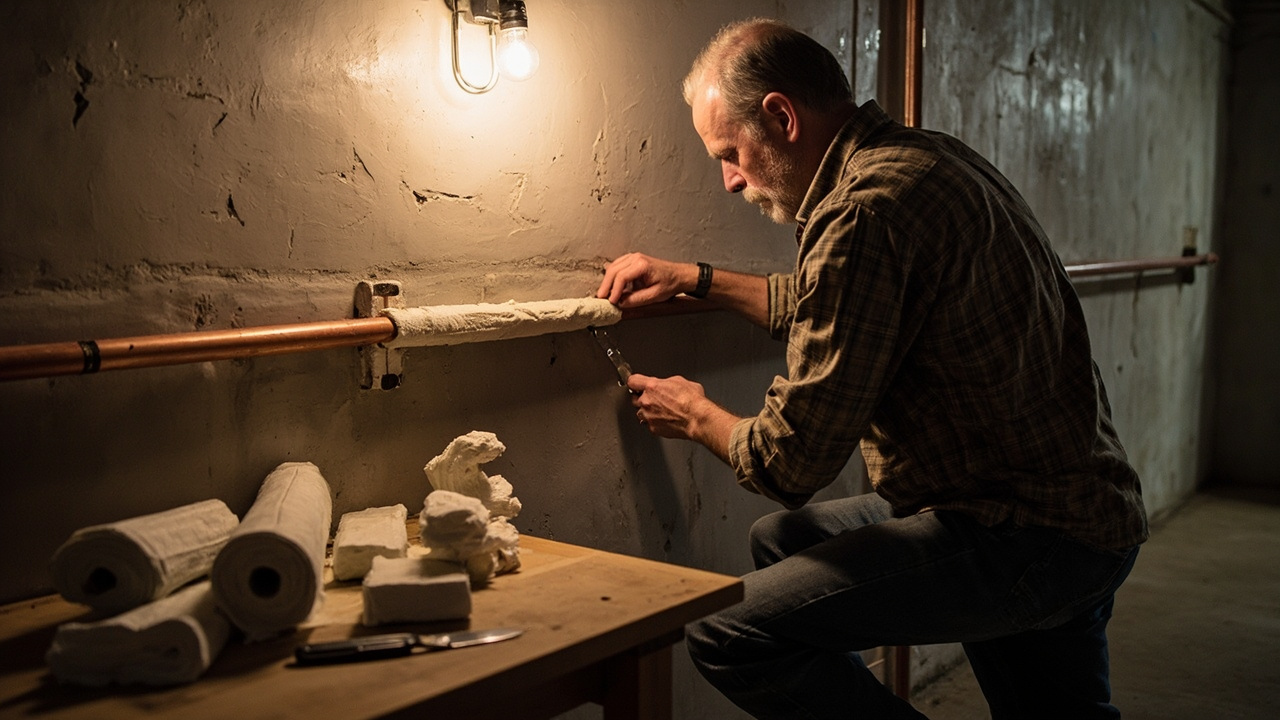
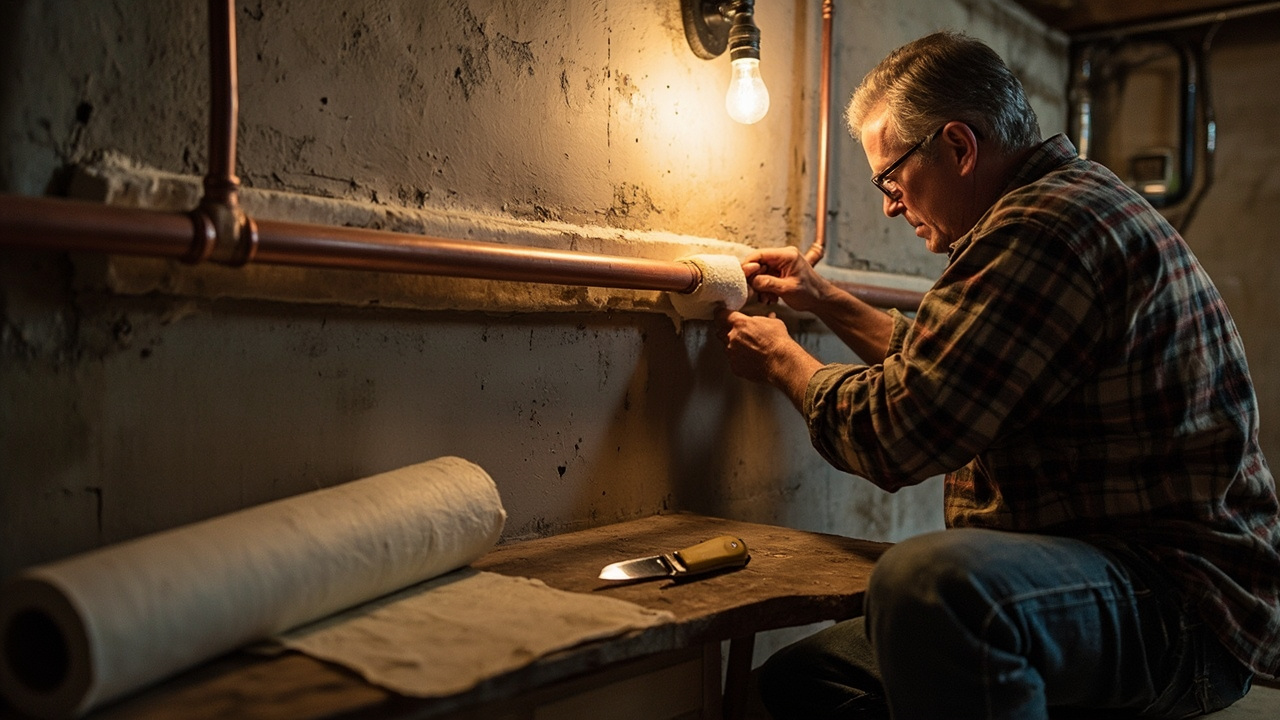
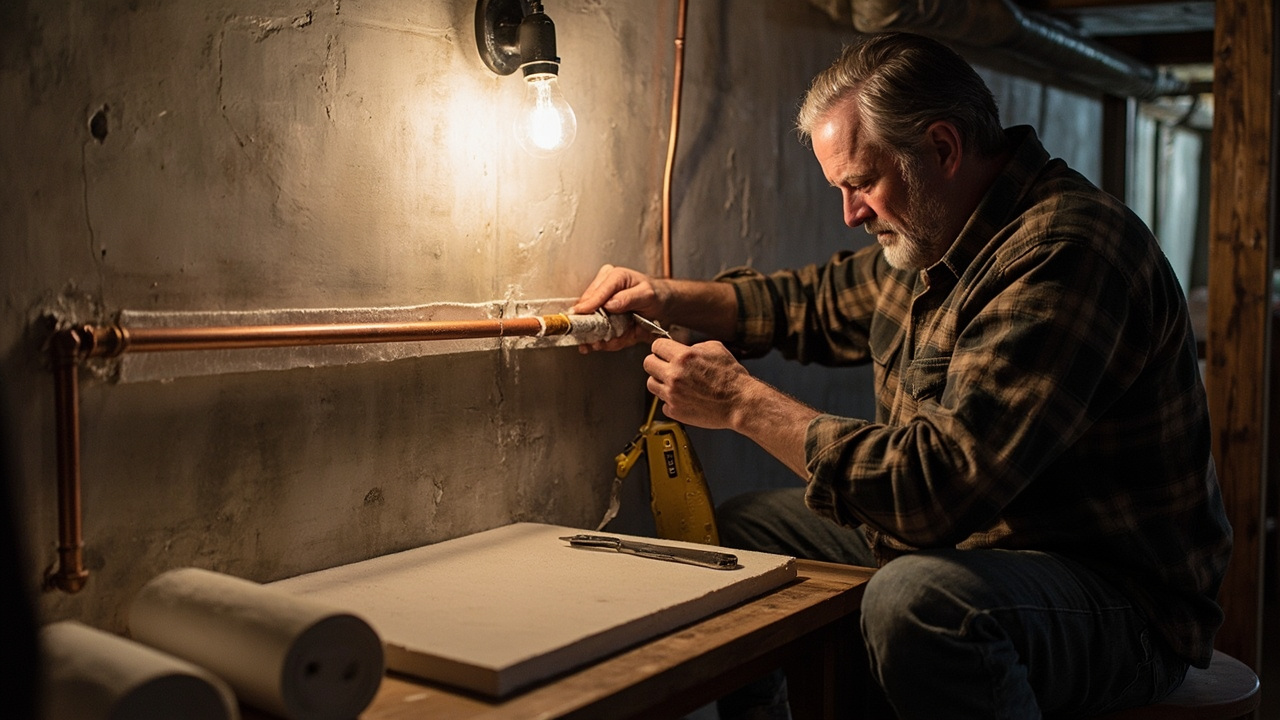
Wrap exposed pipes with foam insulation sleeves, securing every joint with zip ties. Install heat tape on pipes in unheated spaces, following manufacturer specifications exactly. Seal crawl space vents with temporary covers during freeze warnings. Disconnect garden hoses and install faucet covers on exterior hose bibs. For pool equipment, consider insulated blankets designed specifically for pump housings and filter systems common in Central Florida installations.
03

Monitor and Respond

Set phone alerts for freeze warnings from the National Weather Service. When temperatures drop below 35 degrees, open cabinet doors under sinks to allow warm air circulation. Let faucets drip at multiple points throughout the house, focusing on fixtures along exterior walls. Keep your thermostat at 55 degrees minimum, even when away. After a freeze event, inspect all vulnerable points for damage before assuming you escaped unscathed.

Why Local Experience Matters for Orlando Freeze Protection

Grand Plumbing Orlando has protected Central Florida homes through every freeze event of the past decade. We understand the construction methods used in developments from Dr. Phillips to Avalon Park. That familiarity matters when you are trying to locate pipes hidden inside walls built in the 1980s versus newer construction in Lake Nona.

National chains send technicians who learned their trade in different climates. They apply northern solutions to southern problems. We know the difference between stopping pipes from freezing during a three-day blizzard and protecting systems during a six-hour overnight temperature drop.

Our service vehicles stock pipe insulation, heat tape, and repair materials sized for the copper and PEX systems common in Orange County residential construction. We know which neighborhoods have slab foundations with exposed plumbing in exterior walls. We recognize the signs of previous freeze damage that never got properly repaired.

When you call us before a freeze warning, we prioritize the specific vulnerabilities of your home's age and construction style. A 1970s ranch in Conway faces different risks than a 2015 two-story in Waterford Lakes. The materials differ. The pipe routing differs. The protection strategy must differ.

We also understand local building codes and permitting requirements if freeze damage necessitates replumbing work. Orange County requires permits for certain repairs. Knowing when you need one and when you do not saves time and money during emergency situations.

You are not hiring a plumber. You are hiring someone who knows Orlando plumbing inside and out.

What Proper Freeze Protection Includes

Response Time and Availability

Freeze warnings typically arrive 24 to 48 hours before temperatures drop. That window determines whether you prevent damage or pay for repairs. We prioritize freeze protection calls during weather advisories, scheduling visits within hours of your call. During active freeze events, we maintain emergency availability for burst pipe situations. You reach a live person, not an answering service. Our trucks carry the materials needed to implement protection measures immediately, not three days later when temperatures have already rebounded and the damage is done.

Property Assessment and Planning

A proper freeze protection assessment takes 45 minutes to an hour for a typical single-family home. We inspect your entire plumbing system, identifying every point where pipes face exposure to freezing temperatures. You receive a prioritized list of vulnerabilities ranked by risk level. We explain which areas need immediate attention and which can wait. The assessment includes checking your water heater location, evaluating garage and attic plumbing runs, and examining outdoor irrigation and pool systems. You get clear recommendations, not scare tactics designed to sell unnecessary services.

Professional Installation Quality

Pipe insulation must cover every inch with no gaps. Heat tape requires precise installation to avoid creating fire hazards or melting pipes. We use commercial-grade materials rated for outdoor exposure and UV resistance in Florida sun. Every heat tape installation includes proper electrical connections with GFCI protection. Insulation gets secured with professional-grade fasteners, not loose tape that peels off after one season. The work meets local electrical and plumbing codes. You receive documentation of what was installed and where, creating a reference for future maintenance.

Seasonal Maintenance and Education

Freeze protection is not one and done. Materials degrade. Insulation compresses. Heat tape elements fail. We offer pre-winter inspection services to verify your protection systems remain effective. You learn how to activate and monitor heat tape systems yourself. We teach you which faucets to drip and how much flow provides adequate protection. You get our direct line for weather-related questions when freeze warnings appear. The goal is making you self-sufficient for routine freeze events while knowing exactly when to call for professional help.

Frequently Asked Questions

You Have Questions,
We Have Answers

Do all faucets need to drip to prevent freezing? +

No, you do not need to drip every faucet. Focus on faucets served by exposed pipes, particularly those on exterior walls or in unheated spaces like garages or attics. In Orlando, pipes in older homes without insulation or those near crawl spaces are most vulnerable. Prioritize fixtures farthest from your water heater or main line. Running just one or two strategic faucets creates enough flow to prevent freezing. Check your home layout and target the most exposed plumbing first. This saves water while protecting vulnerable pipes during rare freeze events.

How do I stop my pipes from freezing? +

Keep cabinet doors open under sinks to circulate warm air around pipes. Insulate exposed pipes in attics, garages, and crawl spaces using foam sleeves or pipe wrap. Seal cracks and gaps near plumbing penetrations on exterior walls. During freezes, let faucets drip slightly to maintain flow. Disconnect garden hoses and drain outdoor spigots. In Orlando, focus on north-facing walls and older homes with minimal insulation. These areas cool fastest during cold snaps. If you travel during winter, keep your thermostat above 55 degrees to maintain ambient warmth around plumbing lines.

How often should I run water to keep pipes from freezing? +

Run water every few hours during sustained freezing temperatures, or maintain a continuous slow drip overnight. You need just enough flow to keep water moving through pipes. A drip rate of five to ten drips per minute works for most homes in Orlando. Since hard freezes here are rare and brief, you typically only need to run water during the coldest overnight hours when temperatures drop below 32 degrees. Monitor local weather forecasts and start dripping faucets when temperatures are expected to stay at or below freezing for several consecutive hours.

At what temperature do pipes freeze? +

Pipes begin freezing at 32 degrees Fahrenheit, but damage risk increases significantly when temperatures drop to 20 degrees or below for extended periods. In Orlando, freeze damage is rare but happens during unexpected cold snaps. Pipes in unheated spaces freeze faster than those inside conditioned areas. Factors like wind chill, insulation quality, and pipe material affect freezing speed. Copper pipes conduct cold faster than PEX or PVC. Sustained freezing conditions matter more than brief temperature dips. Most Orlando pipes face risk only during extreme winter cold fronts lasting several hours overnight.

Should you drip faucets all day or just at night? +

Drip faucets only when temperatures drop to freezing or below, which in Orlando happens primarily at night during winter cold fronts. Start dripping when forecasts predict temperatures at or below 32 degrees for several hours. Running water all day wastes resources and is unnecessary unless temperatures stay below freezing continuously. Focus on overnight protection when temperatures bottom out. Stop dripping once temperatures rise above freezing in the morning. Orlando's subtropical climate means extended freezes are uncommon. Monitor hourly forecasts and adjust your approach based on actual conditions rather than calendar dates.

What freezes first, hot or cold water pipes? +

Hot water pipes freeze first. This surprises many people, but hot water loses heat faster than cold water due to the Mpemba effect and lower dissolved gas content. Hot water pipes also tend to have less residual pressure. In Orlando homes, hot water lines running through attics or exterior walls face the greatest risk during cold snaps. These pipes carry water that has already lost heat from your water heater. Cold water lines maintain ground temperature longer. Protect hot water supply lines first, especially those serving fixtures on exterior walls or in uninsulated spaces.

At what temperature should you let your faucets drip? +

Let faucets drip when outdoor temperatures reach 32 degrees Fahrenheit or below. In Orlando, this threshold matters most when forecasts predict sustained freezing for three or more hours, typically overnight. Start dripping before temperatures drop, not after. Pipes in unheated areas or on exterior walls need protection at slightly warmer temperatures, around 35 degrees, because these spaces cool faster than interior rooms. Check weather alerts for freeze warnings. If wind chill drops temperatures further, start dripping earlier. A slow, steady drip maintains enough flow to prevent ice formation in vulnerable pipes.

Does adding rubbing alcohol to water keep it from freezing? +

Never add rubbing alcohol or any chemical to your plumbing system. This contaminates your drinking water and violates health codes. Rubbing alcohol does lower water's freezing point in theory, but it also creates dangerous fumes, corrodes pipes, and damages plumbing fixtures and seals. In Orlando, proper insulation and allowing faucets to drip provide safe, effective freeze protection without risking your water quality or plumbing system. If you face recurring freeze problems, install pipe insulation or heat tape instead. Chemical additives create more problems than they solve and offer no practical benefit for residential plumbing.

What pipes are most likely to freeze? +

Pipes in unheated spaces freeze first. In Orlando, this means attic lines, garage plumbing, and pipes in crawl spaces or near exterior walls. North-facing walls receive less sun and stay colder longer. Pipes under mobile homes or in outdoor kitchens face high risk. Copper pipes freeze faster than PEX because metal conducts cold efficiently. Supply lines freeze before drain lines because they hold pressurized water. Pool plumbing and irrigation systems also freeze during hard cold snaps. Older Orlando homes built before modern insulation standards have more vulnerable plumbing than newer construction.

Is it better to drip outside faucets or cover them? +

Cover outside faucets with insulated covers and disconnect hoses before freezing weather arrives. Covering prevents direct cold air exposure while dripping wastes water outdoors. In Orlando, foam faucet covers or insulated pouches provide adequate protection for occasional freezes. For added safety during extreme cold, cover the faucet and open cabinet doors to let warm air reach interior supply lines. Drain outdoor spigots completely after disconnecting hoses. If your home has frost-free hose bibs, covering them still helps during prolonged freezes. Covering is your first line of defense. Dripping becomes necessary only during sustained hard freezes.

Why Orlando's Rare Freezes Cause Disproportionate Pipe Damage

Central Florida experiences hard freezes only a few times per decade. That rarity creates complacency. Northern homeowners know to winterize plumbing pipes every autumn. Orlando residents often ignore the risk until temperatures are already dropping. The lack of routine preparation means pipes that could have been protected with simple insulation instead burst and flood homes. When freeze events hit the greater Orlando metro area, emergency plumbers cannot keep up with demand. You wait days for service while water damage spreads. Proactive protection eliminates that scenario. The few hours invested in keeping water pipes from freezing prevents thousands in repair costs and irreplaceable damage to personal belongings.

Grand Plumbing Orlando serves neighborhoods throughout Orange County and surrounding communities. We understand the specific construction patterns in developments from the 1960s boom through current new builds. That local knowledge matters when diagnosing vulnerability points unique to Central Florida homes. We stock the exact materials and fittings used in regional construction, ensuring same-day repairs when prevention fails. Our technicians live in these communities. They know which weather patterns precede freeze events. That proximity and familiarity translates to faster response and better outcomes for stopping pipes from freezing before damage occurs.
Plumbing Services in The Orlando Area

Our central location allows us to efficiently dispatch our professional plumbing crews across the entire Orlando metropolitan area and its surrounding suburbs. We invite all our clients to view our service map to confirm coverage and to see the extent of the communities we proudly serve. Trust us to be there quickly, offering the same level of Grand Plumbing expertise wherever you are in the region.

Address:
Grand Plumbing Orlando, 618 E South St, Orlando, FL, 32801

Additional Services We Offer

Our news updates

Latest Articles & News from The Blogs

Planning the Plumbing and Drainage for Your New Detached Guest House in Winter Park Building a detached guest house in…

Planning the Plumbing and Drainage for Your New Detached Guest House in Winter Park

Planning the Plumbing and Drainage for Your New Detached Guest House in Winter Park Building a detached guest house in…

Repairing Commercial Grease Interceptors for High-Volume Restaurants on International Drive

Commercial Grease Trap Repair & Emergency Service on International Drive, Orlando When a grease interceptor fails in a high-volume restaurant…

Descaling Your Tankless Water Heater to Keep the Hot Water Flowing in Lake Nona

Descaling Your Tankless Water Heater to Keep the Hot Water Flowing in Lake Nona Your tankless water heater represents a…

Contact Us

Do not wait until temperatures drop. Call Grand Plumbing Orlando at (239) 467-5554 today to schedule your freeze vulnerability assessment. We will identify your risk points and implement protection measures before the next cold snap threatens your plumbing system.