




menu

Sediment Buildup in Pipes in Orlando | Expert Diagnosis and Long-Term Solutions

When sediment buildup in pipes reduces water pressure and threatens appliance efficiency, Grand Plumbing Orlando delivers diagnostic precision and complete system restoration using proven descaling methods that address Orlando's unique hard water challenges.

Slider Image 1
Slider Image 2
Slider Image 3
Slider Image 4
Slider Image 5
Slider Image 7
Slider Image 8
Slider Image 9
Slider Image 10
Slider Image 11

Why Orlando Homes Battle Sediment Buildup Faster Than Most

You turn on the tap and notice the pressure has dropped. The water heater makes strange rumbling sounds. Your shower barely delivers enough flow. These are the signs of sediment buildup in pipes, and Orlando homes face this problem more aggressively than many regions.

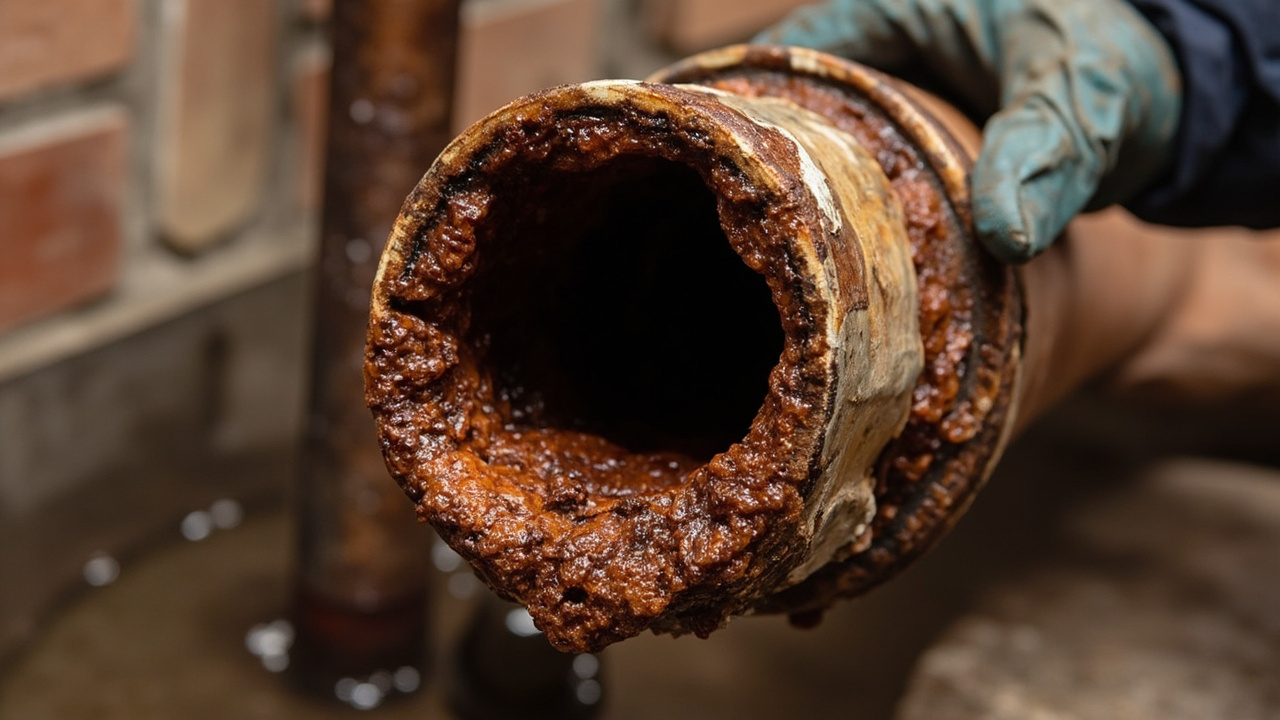
Central Florida's aquifer system delivers high concentrations of dissolved minerals. The Floridan Aquifer, which supplies most of Orlando's water, is naturally rich in calcium and magnesium carbonate. When this hard water flows through your plumbing, it leaves behind mineral deposits in water pipes at a steady rate.

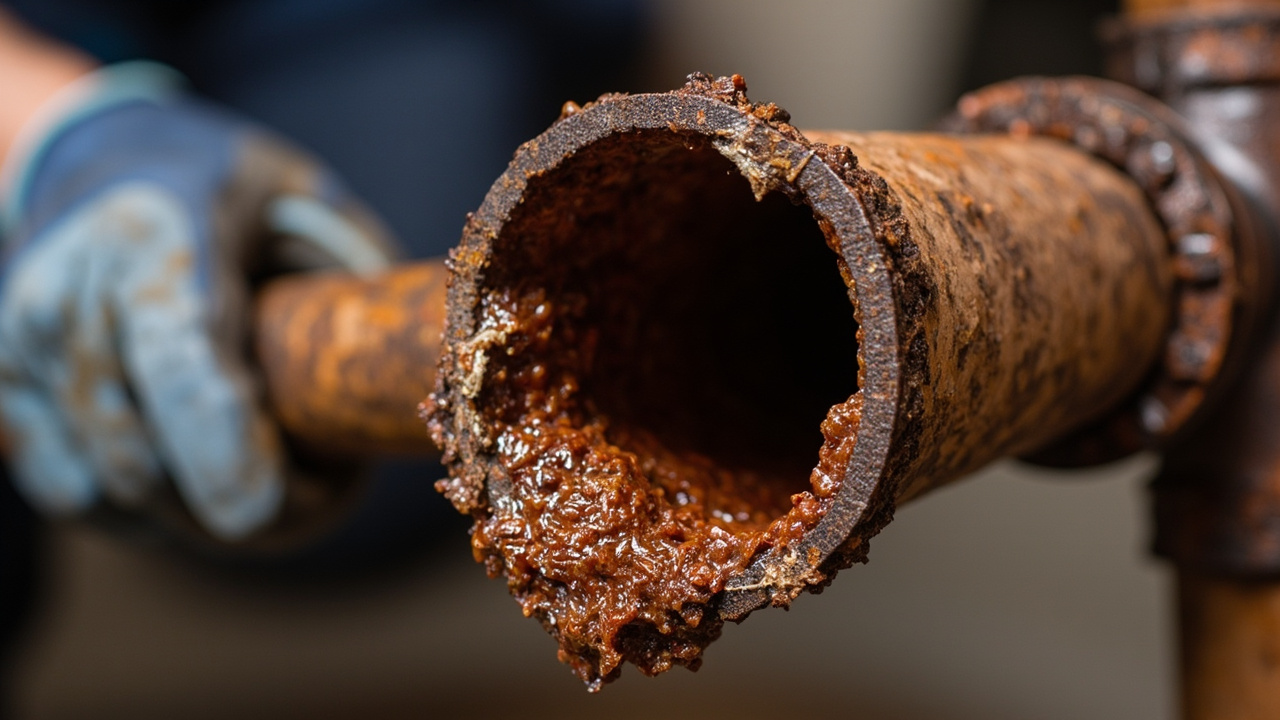
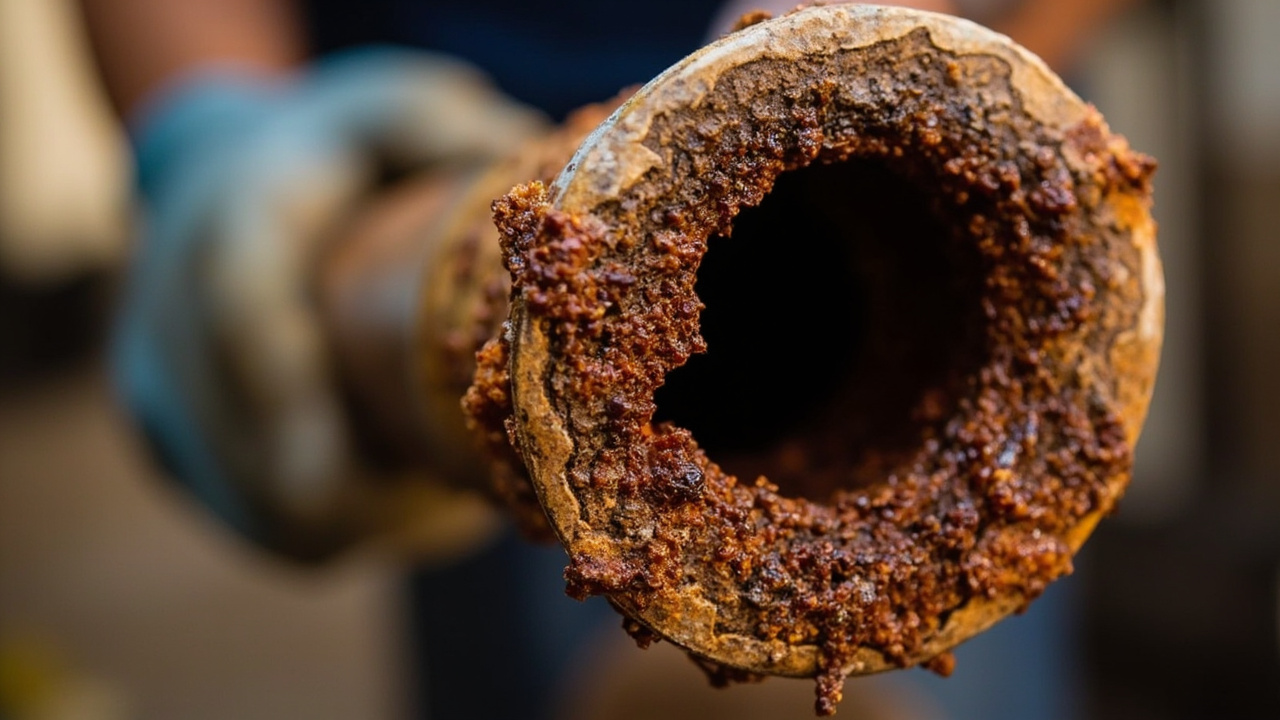
The process accelerates near water heaters. Hot water causes calcium buildup in water lines to solidify faster. Over months and years, limescale accumulation in plumbing narrows the internal diameter of your pipes. What started as a thin film becomes hard water pipe scaling thick enough to restrict flow.

Older neighborhoods near Lake Eola and College Park see pipe calcification problems in galvanized steel lines installed decades ago. The rough interior surface of these pipes attracts sediment like a magnet. Even newer PEX and copper installations develop buildup over time, though at a slower rate.

You may notice discolored water when you first turn on a faucet. That rust-colored flow indicates sediment dislodging from pipe walls. The problem compounds itself. As mineral layers build up, they create turbulence that accelerates further deposition. Left unaddressed, sediment buildup reduces pipe lifespan, damages fixtures, and forces appliances to work harder.

Why Orlando Homes Battle Sediment Buildup Faster Than Most
How We Restore Full Flow and System Efficiency

How We Restore Full Flow and System Efficiency

We do not guess at sediment problems. We verify them with diagnostic tools designed to show exactly where buildup restricts flow and how severe the blockage has become.

Our process starts with a pressure test at multiple fixtures. We measure static pressure and flow rate to establish a baseline. This tells us whether you have a localized blockage or system-wide scaling. Next, we use a pipe inspection camera to visually confirm sediment thickness and identify the worst sections. The camera reveals whether you face mineral deposits, corrosion debris, or a combination of both.

For mineral deposits in water pipes, we employ mechanical descaling and hydro-jetting. Mechanical descaling uses a flexible cable with an abrasive head that scrapes calcium buildup from the interior pipe surface. This method works well for targeted sections with heavy limescale accumulation in plumbing. Hydro-jetting delivers high-pressure water streams that blast away sediment and flush it from the system. We adjust pressure based on pipe material and age to prevent damage.

In cases where pipe calcification problems have reduced the internal diameter by more than 40 percent, we recommend selective repiping. Trying to descale pipes that have lost structural integrity wastes time and money. We replace compromised sections with PEX or copper, then descale the remaining lines.

After clearing the sediment, we test pressure again to confirm restoration. We also inspect the water heater anode rod and flush the tank to remove settled debris. This prevents future buildup from starting in the heater and migrating through your lines.

What Happens During Sediment Removal

Sediment Buildup in Pipes in Orlando | Expert Diagnosis and Long-Term Solutions
01

System Assessment

We test water pressure at fixtures throughout your home and use a pipe camera to locate sediment buildup zones. This diagnostic phase reveals whether the problem concentrates near the water heater, in specific branch lines, or throughout the entire system. We identify pipe material, age, and the thickness of mineral scaling to determine the correct removal method.
02

Sediment Extraction

We use mechanical descaling tools or hydro-jetting equipment to remove calcium deposits and limescale from pipe interiors. The method depends on pipe condition and sediment hardness. Hydro-jetting flushes loose debris, while cable descaling scrapes hardened mineral layers. We work section by section, isolating areas to control water flow and prevent sediment from damaging fixtures downstream.
03

Flow Verification

After clearing the sediment, we retest pressure and flow at each fixture to confirm full restoration. We flush the water heater tank and inspect the anode rod to address any sediment accumulation inside the tank. You receive documentation of pressure readings before and after service, along with recommendations for water softening systems if hard water continues to threaten your plumbing.

Why Grand Plumbing Orlando Solves Sediment Problems Correctly

Sediment removal demands precision. Strip too aggressively and you damage pipe interiors. Use insufficient pressure and you leave buildup behind. We calibrate our approach based on what the camera inspection reveals.

Orlando's mix of housing stock creates unique challenges. Homes in Thornton Park and Colonialtown still have original galvanized steel lines from the 1940s and 1950s. These pipes have rough interiors that trap sediment, but they also have thinner walls after decades of corrosion. We adjust descaling pressure and technique to clean without puncturing weakened sections.

Newer construction in Lake Nona and Avalon Park typically uses PEX or copper. These materials resist corrosion but still accumulate calcium deposits, especially in hot water lines. We use hydro-jetting methods that clear mineral buildup without scoring the smooth pipe surface.

We also understand Orlando's water chemistry. The Floridan Aquifer delivers water with 150 to 300 parts per million of dissolved solids. That concentration drives faster scaling than low-mineral water supplies. After clearing your pipes, we recommend whole-house water softening systems or point-of-use descalers to slow future buildup. Prevention extends the life of your investment.

Our diagnostic tools eliminate guesswork. We show you the camera footage so you see exactly what we found. You make informed decisions about repair versus replacement based on visual evidence, not sales pressure. We provide written documentation of pressure improvements so you can verify the results yourself.

What You Can Expect From Start to Finish

Scheduling and Response Time

We schedule diagnostic appointments within 48 hours for sediment issues. If you have lost water pressure completely or suspect a blockage that could cause appliance damage, we offer same-day emergency service. Most diagnostic inspections take 60 to 90 minutes. If we recommend hydro-jetting or descaling, we can often complete the work the same day, depending on the scope of buildup. For whole-house descaling projects, plan for a full day of work to ensure we address every affected line thoroughly.

Diagnostic Process

We start by testing water pressure at your main supply line and at fixtures in different zones of your home. This pressure differential reveals whether sediment affects isolated branches or the entire system. Next, we insert a waterproof camera into accessible pipes to visually confirm mineral buildup. You watch the monitor with us. We explain what you are seeing, identify problem areas, and discuss whether descaling or repiping makes more sense. You receive a written estimate before we proceed with any work.

Quality of Results

After we clear the sediment, you will notice immediate improvements in water pressure and appliance performance. Showers deliver full flow. Faucets run clear without sputtering. Water heaters operate quietly without the rumbling caused by sediment boiling at the tank bottom. We document pressure improvements with before and after readings so you can verify the restoration. If hard water pipe scaling has damaged sections beyond repair, we replace only what needs replacement and preserve the rest of your system.

Preventive Maintenance Recommendations

Sediment problems return if you do not address the root cause. We provide recommendations for water softening systems that reduce mineral content before it enters your pipes. Whole-house softeners prevent future calcium buildup in water lines. Point-of-use descalers protect water heaters and high-use fixtures. We also recommend annual water heater flushing to remove sediment before it hardens. Preventive maintenance extends the life of your plumbing and reduces the need for future descaling.

Frequently Asked Questions

You Have Questions,
We Have Answers

What causes sediment in water pipes? +

Sediment comes from mineral deposits in your water supply, corroded pipe interiors, and debris from the municipal water system. In Orlando, high calcium and magnesium levels in our hard water accelerate mineral buildup inside pipes. Older homes with galvanized steel pipes experience more rust and corrosion. Sand and silt can enter through breaks in city water mains. Water heaters are common sediment traps because minerals settle at the bottom of the tank. If you notice discolored water or reduced pressure, sediment has likely accumulated in your lines and needs professional removal.

How long does it take to run water to get sediment out? +

Run cold water for two to five minutes after minor municipal work or a brief service interruption. For heavier sediment after pipe repairs or water main breaks, run water for 10 to 15 minutes. Start with the cold tap closest to your main water line, then move to other fixtures. In Orlando, sediment from limestone deposits may take longer to clear. If water remains cloudy or discolored after 15 minutes, stop running water to avoid wasting it. The problem requires pipe flushing or cleaning by a plumber, not just running taps.

Is it okay to pour boiling water down drains in the house to clean them? +

Boiling water is safe for metal pipes but can damage PVC, CPVC, or older glued joints common in Orlando homes. The sudden heat can warp plastic pipes or loosen adhesive seals, causing leaks inside walls. Boiling water does not remove grease effectively either. It just pushes buildup further down the line where it re-solidifies. For routine maintenance, use hot tap water instead. For clogs, use a plunger or drain snake first. Chemical drain cleaners and boiling water are temporary fixes that often create bigger problems requiring professional repair.

How do you remove buildup from pipes? +

Professional hydro jetting uses high-pressure water streams to scour pipe walls clean without chemicals or damage. Plumbers insert a specialized nozzle that blasts sediment, scale, and grease buildup. For water heaters, technicians drain the tank and flush sediment through the drain valve. Descaling treatments dissolve mineral deposits in supply lines. In Orlando, where hard water accelerates calcium buildup, whole-house water softeners prevent future accumulation. DIY methods like vinegar or baking soda rarely reach the root cause. Severe buildup requires camera inspection to assess pipe condition before cleaning.

How do you flush sediment out of pipes? +

Turn off your water heater and let it cool. Connect a garden hose to the drain valve at the tank bottom and run it outside or to a floor drain. Open the valve and let water and sediment flush out for several minutes until it runs clear. Open a hot water tap upstairs to break the vacuum and improve flow. For supply lines, close the main valve, open all faucets, then reopen the main to create a flushing action. Orlando homes with hard water should flush water heaters annually to prevent efficiency loss and tank failure.

What are two things you should never flush down a toilet? +

Never flush feminine hygiene products or wet wipes, even those labeled flushable. Tampons and pads absorb water and expand, creating immediate blockages in drain lines. Wet wipes do not break down like toilet paper. They tangle with other debris and form stubborn clogs that require professional snaking. In Orlando, our older sewer systems and tree root intrusions make these items even more problematic. They catch on root masses and create total blockages. Paper towels, dental floss, and cotton swabs cause similar problems. Only human waste and toilet paper belong in your toilet.

How much do plumbers usually charge to unclog a drain? +

Basic drain clearing in Orlando typically ranges from affordable to moderate, depending on clog severity and location. Kitchen sink clogs are usually less expensive than main sewer line blockages. Costs increase for evening, weekend, or emergency service. Hydro jetting for severe sediment buildup costs more than simple snaking. Camera inspection adds to the total if plumbers need to diagnose hidden problems. Get quotes from multiple licensed plumbers and ask about flat-rate pricing versus hourly charges. Avoid companies that quote prices before seeing the problem. Legitimate plumbers assess the situation first.

Why is my water full of sediment? +

Your water contains sediment because of mineral deposits from hard water, corroded pipes, or disturbances in the municipal supply. Orlando has high mineral content that leaves calcium and magnesium buildup in pipes and water heaters. If sediment appears suddenly, the city may have performed water main work that stirred up deposits. Aging galvanized pipes shed rust and zinc particles. A failing water heater releases accumulated sediment into your hot water lines. Sediment in cold water only suggests supply line issues. Persistent sediment needs professional diagnosis to identify the source and prevent pipe damage.

How do you flush the water pipes in your house? +

Start at the fixture closest to your main water line. Open the cold tap fully and let it run for several minutes until water runs clear. Move to the next closest fixture and repeat. Work your way through the house systematically. After flushing cold taps, repeat the process with hot water taps to clear sediment from your water heater lines. In Orlando homes, this process can take 30 minutes or more due to hard water deposits. If sediment persists or returns quickly, you need professional pipe cleaning. Flushing only removes loose particles, not adhered scale.

What does Dawn dish soap do to drains? +

Dawn dish soap breaks down grease temporarily, allowing hot water to push it further down the drain. It does not eliminate grease or prevent clogs. The soap emulsifies fats, but once water cools in your pipes, grease re-solidifies and accumulates. In Orlando, where warm weather keeps soil temperatures high year-round, grease still hardens in underground sewer lines. Dawn combined with hot water provides short-term relief for slow drains but never fixes the underlying blockage. For real grease clogs, you need enzymatic cleaners or professional hydro jetting to remove buildup from pipe walls.

How Orlando's Aquifer Water Accelerates Pipe Scaling

The Floridan Aquifer supplies most of Orlando's municipal water through limestone formations that dissolve calcium and magnesium into the supply. This natural process creates hard water with mineral concentrations between 150 and 300 parts per million. Every gallon that flows through your pipes deposits trace amounts of these minerals. Over time, the deposits accumulate into thick limescale layers that narrow pipe diameter and reduce flow. Neighborhoods supplied by older well systems near Conway and Pine Hills experience even higher mineral content, accelerating pipe calcification problems.

Grand Plumbing Orlando has worked in every Orlando neighborhood, from historic bungalows near Lake Lawsona to new construction in Horizon West. We understand how pipe age, material, and water source affect sediment accumulation rates. Our camera inspection equipment adapts to the tight crawl spaces and slab foundations common in Central Florida construction. We know which descaling methods work for galvanized steel in older homes and which techniques protect PEX in newer builds. Local expertise prevents damage and delivers results that last.
Plumbing Services in The Orlando Area

Our central location allows us to efficiently dispatch our professional plumbing crews across the entire Orlando metropolitan area and its surrounding suburbs. We invite all our clients to view our service map to confirm coverage and to see the extent of the communities we proudly serve. Trust us to be there quickly, offering the same level of Grand Plumbing expertise wherever you are in the region.

Address:
Grand Plumbing Orlando, 618 E South St, Orlando, FL, 32801

Additional Services We Offer

Our news updates

Latest Articles & News from The Blogs

Planning the Plumbing and Drainage for Your New Detached Guest House in Winter Park Building a detached guest house in…

Planning the Plumbing and Drainage for Your New Detached Guest House in Winter Park

Planning the Plumbing and Drainage for Your New Detached Guest House in Winter Park Building a detached guest house in…

Repairing Commercial Grease Interceptors for High-Volume Restaurants on International Drive

Commercial Grease Trap Repair & Emergency Service on International Drive, Orlando When a grease interceptor fails in a high-volume restaurant…

Descaling Your Tankless Water Heater to Keep the Hot Water Flowing in Lake Nona

Descaling Your Tankless Water Heater to Keep the Hot Water Flowing in Lake Nona Your tankless water heater represents a…

Contact Us

Low water pressure and appliance problems will not improve on their own. Call Grand Plumbing Orlando at (239) 467-5554 to schedule a diagnostic inspection. We will show you exactly what is happening inside your pipes and provide a clear solution.