




menu

Medical & Dental Gas Plumbing in Orlando | NFPA 99 Certified Systems That Keep Your Facility Operational

Grand Plumbing Orlando designs, installs, and maintains medical gas pipeline systems for hospitals, surgical centers, and dental practices across Central Florida with full code compliance and zero downtime during cutover.

Slider Image 1
Slider Image 2
Slider Image 3
Slider Image 4
Slider Image 5
Slider Image 7
Slider Image 8
Slider Image 9
Slider Image 10
Slider Image 11

Why Medical Gas Systems Fail in Florida's Climate

Orlando's humidity and temperature swings create corrosion in medical gas piping systems faster than in dry climates. Condensation forms inside oxygen and nitrous oxide lines when ambient temperatures fluctuate between air-conditioned interiors and Florida's outdoor heat. This moisture accelerates copper oxidation and can introduce particulates into the gas stream, which compromises patient safety and violates NFPA 99 standards.

Most dental practices and outpatient surgery centers in the Orlando metro were built during the construction boom of the 1990s and early 2000s. Many of these facilities still operate original med gas installation services that have exceeded their 20-year service life. Aging manifolds, corroded zone valves, and outdated alarm panels create liability exposure and accreditation risks.

Florida's rapid healthcare expansion has also created capacity issues. A dental office that opened with two operatories now runs six, but the medical gas pipeline services were never upgraded. The compressor runs constantly, pressure drops during peak hours, and nitrous oxide delivery becomes inconsistent. This forces staff to pause procedures and creates frustration for both clinicians and patients.

You need certified med gas plumbers who understand ASSE 6010 brazing standards, can navigate Florida Building Code Chapter 4, and have worked inside active healthcare environments. Medical gas piping is not standard plumbing. One contaminated fitting or improperly purged line can shut down an entire wing during inspection. Your facility cannot afford that risk.

Why Medical Gas Systems Fail in Florida's Climate
How We Engineer Compliant Medical Gas Systems

How We Engineer Compliant Medical Gas Systems

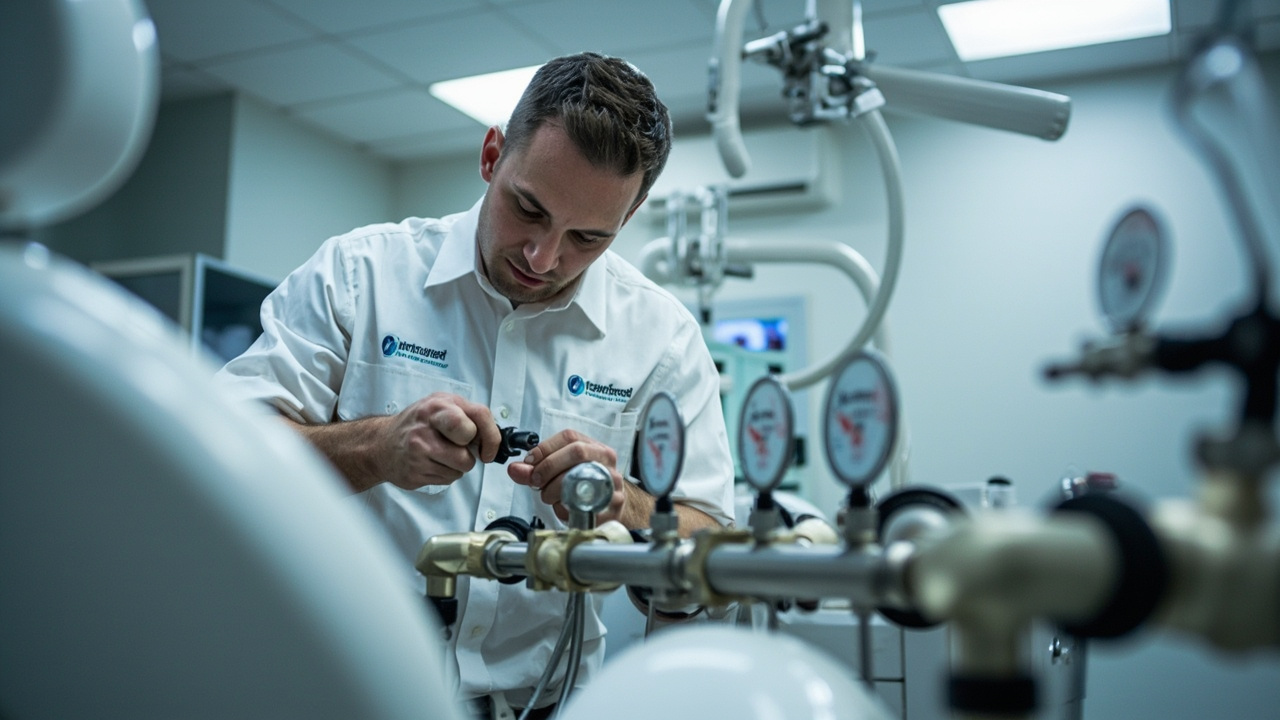
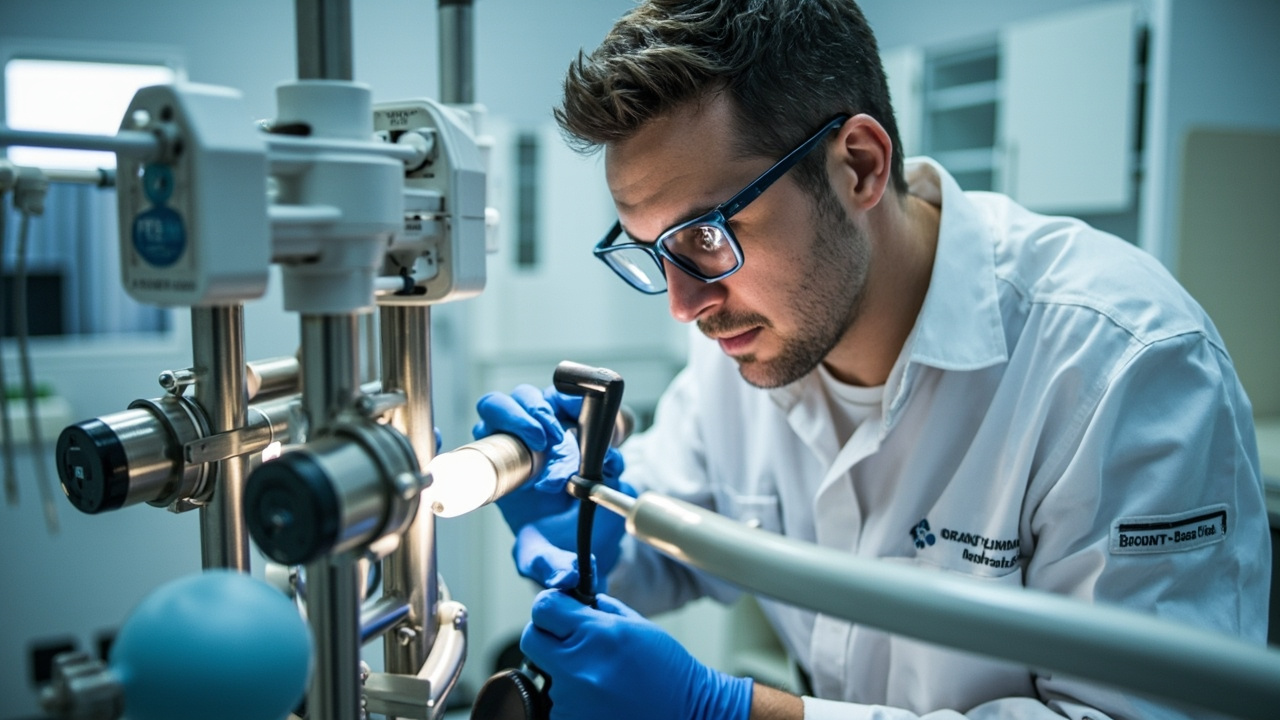
We begin every medical gas project with a full load calculation and system audit. This includes measuring current flow rates at each outlet, testing manifold pressure under simulated peak demand, and inspecting every zone valve and alarm panel for code compliance. We use a medical-grade helium leak detector to identify micro-leaks that standard pressure tests miss. Most medical gas pipeline services fail because previous contractors only tested static pressure, not dynamic flow under load.

Our installation process follows NFPA 99 Chapter 5 requirements to the letter. We use only Type K medical-grade copper tubing with minimum wall thickness of 0.049 inches for oxygen lines. Every brazed joint is purged with nitrogen to prevent internal oxidation. We document purge times, flow rates, and cooling periods for every connection. After rough-in, we perform a 24-hour pressure decay test at 150 psi, which exceeds the code-required minimum.

For dental gas piping, we install dedicated vacuum systems with oil-less pumps and moisture separators sized for your specific chair count and usage patterns. We separate nitrous oxide scavenging systems from general vacuum lines to prevent cross-contamination. Each operatory receives a custom-built medical gas column with clearly labeled outlets that meet ADA accessibility standards.

We coordinate all work with your infection control officer and facility manager. In occupied facilities, we stage installations during off-hours and use temporary bypass systems to maintain gas availability. Our crews carry facility access badges, complete OSHA bloodborne pathogen training, and follow your specific sterile corridor protocols. We treat your building like the clinical environment it is.

What Happens During Your Med Gas Installation

Medical & Dental Gas Plumbing in Orlando | NFPA 99 Certified Systems That Keep Your Facility Operational
01

System Design and Permitting

We create stamped engineering drawings that show every gas line, outlet location, valve box, and alarm panel. These drawings include isometric diagrams, riser schedules, and equipment specifications required for Orange County Health Department approval. We submit permits and coordinate inspections with the state mechanical inspector who has jurisdiction over medical gas systems in Central Florida. You receive a full code compliance package before installation begins.
02

Installation and Testing

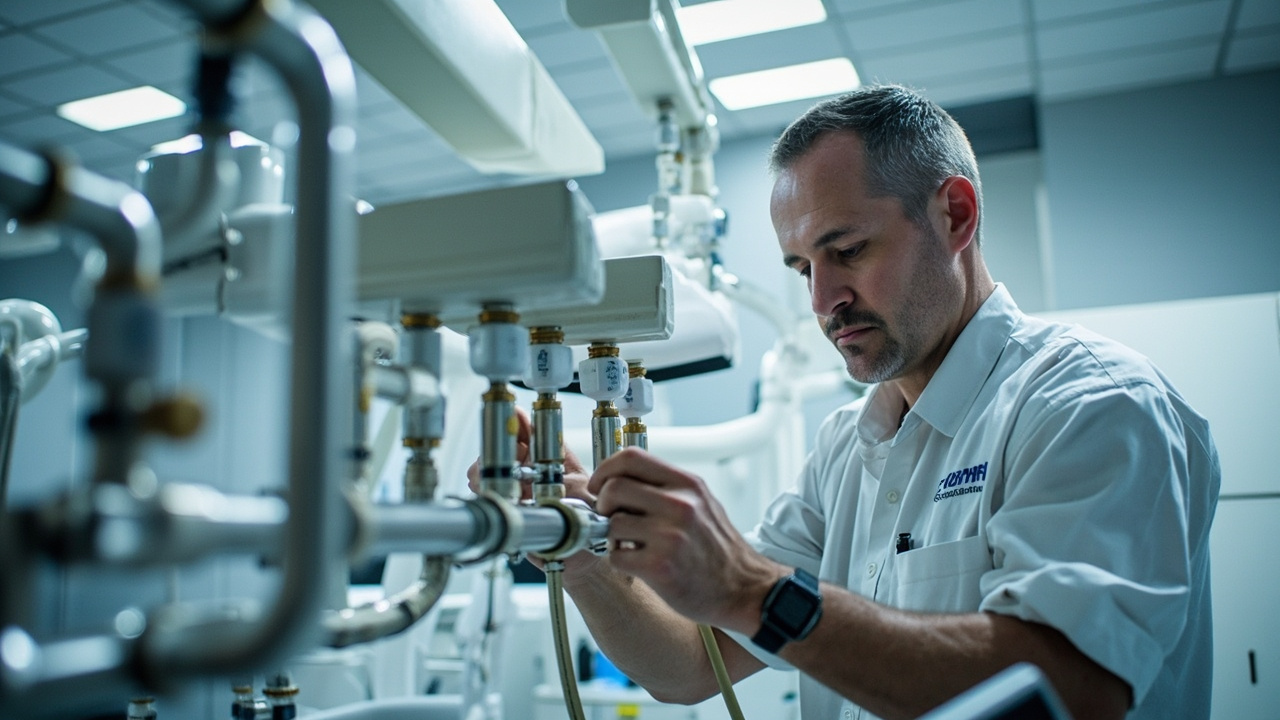
Our certified med gas plumbers install all piping, manifolds, and outlets using ASSE 6010 procedures. We perform blow-down purging, particulate testing, and cross-connection verification on every zone. Each gas type receives separate pressure testing and purge documentation. We install medical air compressors with duplex configurations and automatic switchover to maintain continuous supply. All work occurs in stages that allow your facility to remain operational throughout the project.
03

Certification and Turnover

After final inspection, we provide you with a complete verification package that includes all test reports, material certifications, and as-built drawings required for Joint Commission accreditation. We train your maintenance staff on zone valve locations, emergency shutoff procedures, and alarm panel operation. You receive a color-coded facility gas map and a digital archive of all documentation. Your system is ready for state inspection and occupancy approval.

Why Orlando Healthcare Facilities Trust Our Med Gas Work

Grand Plumbing Orlando holds ASSE 6010 Medical Gas Installer certification and maintains active training on NFPA 99 updates. We are one of the few contractors in Central Florida who perform both installation and ongoing verification testing. This means you have one point of contact for initial construction, annual inspections, and emergency repairs. We understand how Florida's Agency for Health Care Administration enforces medical gas standards because we work directly with their inspectors during facility surveys.

We have installed medical gas piping systems in surgical centers throughout the Orlando Health corridor, dental practices in Winter Park and Lake Nona, and specialty clinics across Orange and Seminole counties. Our crews know how to navigate occupied healthcare buildings without disrupting patient care. We carry the specific liability coverage required for medical facility work and maintain vendor agreements with major health systems in the region.

Orlando's building codes require seismic bracing for medical gas piping in facilities over three stories. We install Carpenter and Paterson restraint systems that meet Florida Building Code Section 1621 and NFPA 99 Chapter 5.1.3.4 requirements. Most general plumbing contractors do not understand these specifications. Improper bracing creates liability during Department of Health inspections and can delay your certificate of occupancy.

We also understand the business side of healthcare construction. You need predictable timelines, transparent change order processes, and coordination with your other trades. We attend your weekly construction meetings, provide detailed progress photos, and communicate directly with your architect and mechanical engineer. Medical gas work is on the critical path for facility opening. We do not miss deadlines.

What to Expect from Your Medical Gas Project

Project Timeline and Scheduling

A typical dental office med gas installation takes two to three weeks from permit approval to final inspection. Surgical center projects require four to eight weeks depending on the number of operating rooms and gas types. Hospital expansions follow phased schedules that align with your construction timeline and avoid disruption to active patient areas. We provide a detailed critical path schedule during preconstruction that identifies long-lead equipment items like manifolds and compressors. Rush delivery options exist for time-sensitive projects, but standard lead times for medical-grade equipment run six to eight weeks.

Pre-Installation Assessment

We perform a site walkthrough with your clinical director and facility manager to identify outlet locations, equipment clearances, and any special requirements for infection control or patient flow. For renovation projects, we use non-destructive testing to locate existing gas lines and verify their condition before tie-in. You receive a written scope of work that details every pipe run, valve, outlet, and piece of equipment we will install. This eliminates surprises during construction and ensures your staff understands what to expect during each phase.

Quality and Compliance Standards

Every medical gas system we install meets NFPA 99 Health Care Facilities Code and receives state mechanical inspection approval before you occupy the space. You receive documentation packages that satisfy Joint Commission, AAAHC, and AHCA survey requirements. Our installations use only medical-grade copper, brass fittings rated for oxygen service, and outlets manufactured to CGA V-5 standards. We do not cut corners on materials or testing procedures. Your system will pass third-party verification testing required for facility accreditation.

Ongoing Maintenance and Support

NFPA 99 requires annual verification testing of all medical gas systems. We provide scheduled maintenance agreements that include pressure testing, alarm verification, and documentation updates to keep you compliant between accreditation surveys. Emergency service is available for gas leaks, compressor failures, and manifold issues that require immediate response. We stock common repair parts for the major medical gas equipment brands installed throughout Central Florida. When you call, you reach a technician who understands your system and can respond quickly.

Frequently Asked Questions

You Have Questions,
We Have Answers

What is medical gas plumbing? +

Medical gas plumbing involves the specialized installation, maintenance, and repair of piping systems that deliver therapeutic gases to patients in hospitals, clinics, and dental offices. These systems transport oxygen, nitrous oxide, medical air, nitrogen, and vacuum services through dedicated networks. In Orlando healthcare facilities, these systems must meet strict NFPA 99 standards and Florida building codes. The infrastructure requires contamination-free installation, precise pressure regulation, and redundant safety mechanisms. Medical gas systems differ from standard plumbing because any contamination or failure directly impacts patient safety during procedures, surgeries, and critical care. Proper system design prevents cross-contamination and ensures uninterrupted gas supply during emergencies.

How much does it cost to plumb a gas line? +

Gas line installation costs vary based on line length, material selection, pressure requirements, and accessibility. Commercial medical gas systems require specialized materials like Type K copper or stainless steel, dedicated shutoff valves, pressure regulators, and alarm systems. Orlando facilities also face costs related to permit acquisition, Florida code compliance inspections, and mandatory pressure testing. Retrofit installations in existing buildings typically cost more due to structural penetrations and coordination with active patient care areas. System complexity increases costs when multiple gas types require separate distribution networks. The investment protects liability exposure and ensures code compliance. Contact licensed medical gas contractors for project-specific estimates based on your facility layout and service requirements.

What are the five classes of medical gas piping? +

Medical gas piping systems fall into five NFPA 99 classifications based on pressure and application. Category 1 covers piped medical gas and vacuum systems serving patient care areas. Category 2 includes nonflammable medical gas systems not used for human respiration. Category 3 encompasses nonflammable medical gas systems outside patient care zones. Level 1 facilities like Orlando hospitals require the highest level of system redundancy and monitoring. Level 2 facilities such as dental offices need less complex systems but must still maintain code compliance. Level 3 applies to outpatient clinics with limited gas usage. Each classification dictates specific installation standards, testing protocols, and inspection requirements that protect patient safety.

What type of pipe is used for medical gas? +

Medical gas systems primarily use Type K copper tubing for its cleanliness, durability, and code compliance. Copper resists corrosion in Orlando's humid climate while maintaining gas purity. Stainless steel tubing serves high-pressure applications and specific gas types. All piping materials must arrive factory-cleaned, sealed, and certified contaminant-free. Joints require specific brazing alloys that prevent oxidation and contamination during installation. NFPA 99 prohibits threaded connections in patient care areas. Installers must maintain nitrogen purges during brazing to prevent interior scale formation. Color-coded piping helps staff identify gas types quickly during emergencies. Material selection directly affects system longevity, maintenance costs, and patient safety outcomes in healthcare environments.

How much do med gas plumbers make per hour? +

This question addresses employment compensation rather than service selection. Medical gas plumbers in Florida typically earn between 25 and 45 dollars per hour based on certification level, experience, and employer type. Specialists holding ASSE 6010 medical gas installer certification command higher rates. Hospital maintenance staff earn differently than contractor employees. Orlando market rates reflect demand for qualified technicians who understand NFPA 99 standards and Florida building codes. Compensation increases with specialized skills in testing, verification, and emergency repair capabilities. Healthcare facilities prioritize hiring certified professionals because system failures create immediate patient safety risks. Ongoing education and recertification requirements justify higher wage scales compared to standard plumbing positions.

What qualifications do you need to work with gas? +

Medical gas work requires ASSE 6010 certification demonstrating competency in installation, maintenance, and testing procedures. Technicians must understand NFPA 99 standards, gas properties, pressure calculations, and verification protocols. Florida requires appropriate plumbing licenses for gas line installation. Medical gas installers complete specialized training covering brazing techniques, pressure testing, contaminant prevention, and emergency procedures. Many Orlando healthcare facilities require background checks and facility-specific credentialing. Verifiers need additional ASSE 6030 certification to perform final system inspections. Continuing education maintains certification status as codes evolve. These qualifications ensure installers understand how system failures compromise patient care. Facilities face substantial liability when unqualified contractors perform medical gas work, making proper credentialing non-negotiable.

Are gas lines covered by home insurance? +

Home insurance typically excludes medical gas systems because they serve commercial healthcare applications. Standard homeowner policies cover residential natural gas or propane lines under dwelling coverage, subject to policy limits and exclusions. Commercial property insurance for Orlando medical facilities should specifically include medical gas infrastructure as business property. Coverage may address sudden equipment failure but generally excludes normal wear, corrosion, or maintenance issues. Facilities need business interruption coverage addressing revenue loss if gas system failures halt operations. Liability insurance becomes critical if system malfunctions harm patients. Review policy language carefully with your insurance agent. Most carriers require regular inspection documentation and preventive maintenance records to maintain coverage eligibility.

Can I install a gas line myself? +

No. Medical gas installation requires ASSE 6010 certification, appropriate Florida licenses, and specialized knowledge that prevents fatal errors. Improper installation creates cross-contamination risks, pressure regulation failures, and fire hazards. NFPA 99 mandates specific materials, joining methods, testing protocols, and documentation that untrained individuals cannot properly execute. Orlando building departments will not issue permits to unlicensed applicants for medical gas work. Healthcare facilities face enormous liability exposure from DIY installations. Insurance policies exclude coverage for unpermitted work. Even licensed plumbers without medical gas training should not attempt these systems. Patient safety depends on properly installed, tested, and verified systems. Facility administrators must verify contractor credentials before authorizing any medical gas work.

Why is gas installation so expensive? +

Medical gas installation costs reflect specialized materials, extensive labor requirements, mandatory testing, and regulatory compliance. Type K copper and stainless steel cost more than standard piping. Installers must maintain contaminant-free conditions throughout installation. Each joint requires nitrogen purging during brazing. Systems need pressure testing, cross-connection verification, and gas purity analysis before activation. Florida requires multiple inspections and permits. Installers carry specialized certifications and insurance coverage. Orlando healthcare projects often require after-hours work to avoid disrupting patient care. Documentation demands exceed standard plumbing projects. The investment prevents catastrophic failures that compromise patient safety and create massive liability exposure. Proper installation protects your facility's reputation and operational continuity.

What joining method is used for medical gas tubing? +

Medical gas tubing uses brazed joints rather than soldered or threaded connections. Brazing creates stronger, contamination-resistant joints that withstand system pressures and maintain gas purity. Installers use specific silver brazing alloys at temperatures exceeding 1000 degrees. Nitrogen purging during brazing prevents interior oxidation that contaminates medical gases. NFPA 99 prohibits threaded connections in patient care areas because they create contamination pathways. Compression fittings appear only in specific applications like equipment connections. Orlando installations must follow strict brazing procedures including flux removal and joint inspection. Each joint affects system integrity. Improper techniques introduce particulates that compromise patient safety. Only ASSE-certified installers possess the training to execute compliant medical gas joints.

How Florida's Healthcare Growth Creates Med Gas Capacity Issues in Orlando

Orlando's healthcare sector has expanded rapidly over the past decade. Lake Nona Medical City alone has added over two million square feet of clinical space since 2015. Existing hospitals throughout the metro area have converted office wings into procedure rooms and expanded surgical capacity to meet population growth. Many of these renovations occur in buildings with undersized medical gas infrastructure. The original system was designed for lower patient volumes and fewer high-acuity procedures. When you add operating rooms or procedure bays without upgrading your central supply system, you create pressure drops and flow issues that compromise clinical operations.

Grand Plumbing Orlando has worked on medical gas projects throughout Central Florida since the early days of the Lake Nona development. We understand how local building officials interpret Florida Building Code requirements for medical facilities. We maintain working relationships with the plan reviewers at Orange County Building Services and the state mechanical inspectors who approve medical gas installations. This local knowledge streamlines your permitting process and prevents code interpretation issues that delay construction. When you hire a contractor with deep Orlando experience, you avoid costly rework and schedule disruptions.

Plumbing Services in The Orlando Area

Our central location allows us to efficiently dispatch our professional plumbing crews across the entire Orlando metropolitan area and its surrounding suburbs. We invite all our clients to view our service map to confirm coverage and to see the extent of the communities we proudly serve. Trust us to be there quickly, offering the same level of Grand Plumbing expertise wherever you are in the region.

Address:
Grand Plumbing Orlando, 618 E South St, Orlando, FL, 32801

Additional Services We Offer

Our news updates

Latest Articles & News from The Blogs

Planning the Plumbing and Drainage for Your New Detached Guest House in Winter Park Building a detached guest house in…

Planning the Plumbing and Drainage for Your New Detached Guest House in Winter Park

Planning the Plumbing and Drainage for Your New Detached Guest House in Winter Park Building a detached guest house in…

Repairing Commercial Grease Interceptors for High-Volume Restaurants on International Drive

Commercial Grease Trap Repair & Emergency Service on International Drive, Orlando When a grease interceptor fails in a high-volume restaurant…

Descaling Your Tankless Water Heater to Keep the Hot Water Flowing in Lake Nona

Descaling Your Tankless Water Heater to Keep the Hot Water Flowing in Lake Nona Your tankless water heater represents a…

Contact Us

Call Grand Plumbing Orlando at (239) 467-5554 to discuss your medical gas project. We provide detailed proposals, code compliance reviews, and budget estimates for new construction and renovation work throughout the Orlando metro area.