
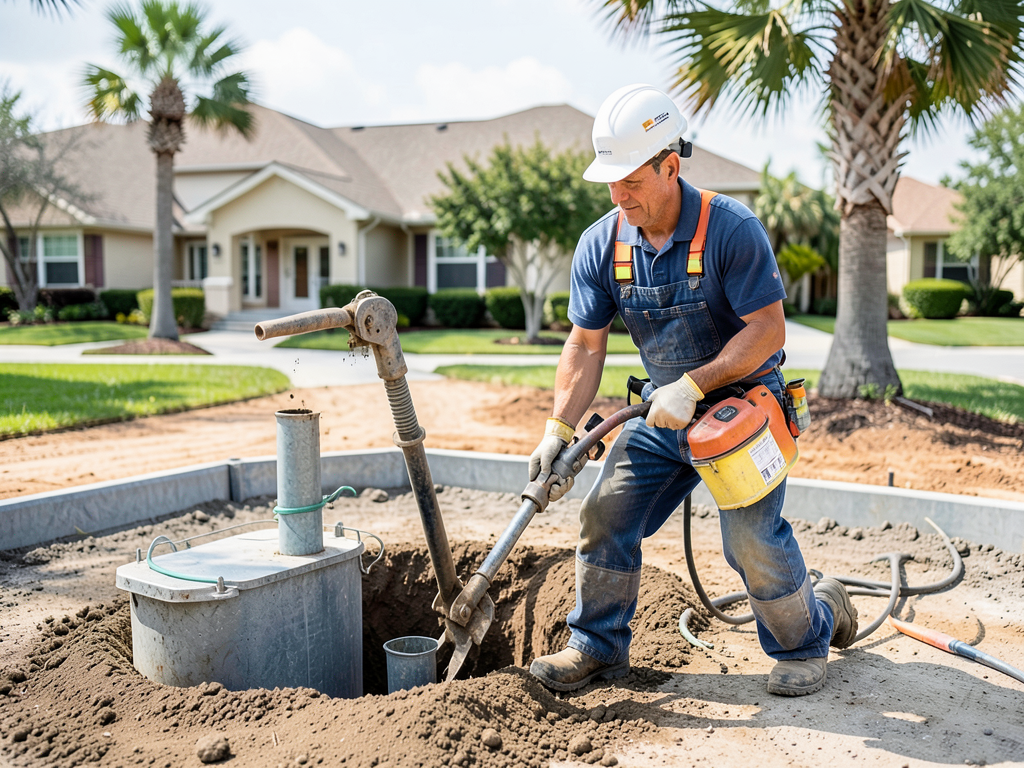
Septic to Sewer Conversion in Orlando FL: Your Complete Guide
If you live in an older Orlando neighborhood with a septic system, you might be facing a mandatory conversion to city sewer or considering the switch voluntarily. The process involves more than just connecting pipes—it requires permits, engineering, and proper abandonment of your existing septic tank to protect Central Florida’s groundwater. Florida Department of Environmental Protection.
Homeowners in areas like College Park, Conway, and Azalea Park are increasingly making this transition as Orange County expands its municipal sewer infrastructure. The benefits include eliminating septic maintenance costs, protecting property values, and reducing environmental impact on the Wekiva Springs basin. Orange County Utilities Department.
Why Orlando Homeowners Are Switching From Septic to Sewer
Septic systems in Central Florida face unique challenges due to our high water table and sandy soil conditions. Many Orlando homes built before 1980 rely on aging septic tanks that struggle with modern household water usage demands. Is a Tankless Water Heater Right for Your Lake Nona Home?.
The Florida Department of Health reports that failing septic systems contribute to nitrate loading in our waterways. The Wekiva Springs Basin Management Action Plan specifically targets areas where septic conversion can reduce nitrogen pollution by up to 90% per household.
Property values also increase significantly after conversion. Real estate data shows homes with city sewer connections sell 5-7% faster than comparable properties with septic systems, particularly in neighborhoods undergoing municipal infrastructure improvements. Why Old Maitland Homes Often Need Complete Copper Repiping.
The Step-by-Step Septic to Sewer Conversion Process
The conversion process follows a specific sequence that ensures compliance with Orange County Utilities and Florida Department of Environmental Protection regulations.
- Site Evaluation and Design
A licensed plumber conducts a property assessment to determine the best route for the sewer lateral from your home to the nearest main line. This includes locating existing utilities and evaluating soil conditions common to Central Florida’s sandy terrain. Common Toilet Problems in Baldwin Park Townhomes and How We Fix Them.
- Permit Acquisition
Obtain permits from Orange County Building Services and Environmental Protection. This requires submitting engineered plans showing the proposed connection and septic tank abandonment method.. Read more about Non-Invasive Pipe Bursting Services for Modern Orlando Plumbing Systems.
- Sewer Lateral Installation
Install the new sewer line using trenching equipment. Orlando’s flat terrain typically requires gravity-fed systems, though some properties may need grinder pumps if the main line sits higher than your home.
- Septic Tank Abandonment
Pump out remaining contents, remove or crush the tank, and fill with sand or gravel. This prevents future collapse and eliminates any groundwater contamination risk.
- Connection to Main Line
Tap into the municipal sewer main and install a cleanout for future maintenance access.
- Final Inspection and Restoration
Schedule inspections with Orange County Utilities and the Building Department. Restore landscaping and complete any necessary concrete or driveway repairs.. Read more about Fast Garbage Disposal Repair and Replacement in Altamonte Springs.
Cost Factors for Septic to Sewer Conversion in Orlando
Conversion costs vary significantly based on several factors specific to your property and location within Orange County.
| Cost Factor | Typical Range | Notes |
|---|---|---|
| Sewer Connection Fees | $2,500 – $5,000 | Charged by Orange County Utilities per property |
| Sewer Lateral Installation | $3,000 – $8,000 | Distance to main line is primary factor |
| Septic Tank Abandonment | $1,500 – $3,500 | Removal vs. crushing affects cost |
| Permitting and Engineering | $500 – $1,500 | Required for compliance |
| Landscaping Restoration | $1,000 – $4,000 | Depends on damage extent |
| Total Project Cost | $8,500 – $22,000 | Average Orlando conversion |
Properties in Pine Hills or Azalea Park often face lower costs due to shorter distances to existing sewer mains. Homes in more established areas like College Park may require longer laterals, increasing both material and labor costs.
Orange County Septic to Sewer Regulations and Permits
The conversion process must comply with multiple regulatory bodies. The Orange County Utilities Department requires a Sewer Connection Permit before any work begins.
According to Orange County Code Section 22-37, all septic tank abandonment must be witnessed by a county inspector to ensure proper filling and documentation. The Florida Department of Health also requires notification of tank abandonment to update property records.
Properties within the Wekiva Springs Protection Zone face additional requirements. The Wekiva Springs Basin Management Action Plan mandates nitrogen reduction strategies, making septic conversion a priority for environmental compliance.
Local utility companies like OUC may also need to be notified if your property has separate water service, as they track infrastructure connections for billing and maintenance purposes.
Environmental Benefits for Central Florida Waterways
Central Florida’s unique geology makes septic systems particularly problematic. Our high water table means septic drain fields operate in saturated conditions much of the year, reducing treatment efficiency.
The sandy soil common throughout Orange County provides minimal filtration between drain fields and the aquifer. This allows nitrogen and bacteria to migrate more easily into groundwater compared to areas with clay-based soils.
The Wekiva River and its springs receive runoff from thousands of acres of urbanized land. Converting septic systems to sewer in targeted areas can reduce nitrogen loading by over 1,000 pounds per year per neighborhood, directly improving water quality in these sensitive ecosystems.
The Florida Department of Environmental Protection tracks these improvements through regular water quality monitoring in the Wekiva basin, with measurable improvements already documented in areas where large-scale conversions have occurred.
Financial Assistance and Incentive Programs
Orange County offers several programs to help offset conversion costs, particularly in environmentally sensitive areas.
The Septic to Sewer Conversion Grant Program provides up to $5,000 toward conversion costs for properties in the Wekiva Springs Priority Focus Area. These grants require matching funds from the property owner but can significantly reduce out-of-pocket expenses.
Low-interest financing through the county’s environmental improvement loan program offers terms up to 10 years for qualifying projects. These loans typically feature interest rates 2-3% below conventional home improvement loans.
Some homeowners insurance policies now offer premium discounts for properties converted from septic to sewer, recognizing the reduced liability risk. Check with your insurance provider about potential savings after conversion.
Common Questions About Septic to Sewer Conversion
How long does the entire conversion process take?
Most conversions in Orlando take 2-4 weeks from start to finish. Permit acquisition typically requires 1-2 weeks, while the actual construction work can be completed in 3-5 days depending on weather and property conditions.
Will my yard be completely destroyed during the process?
Professional contractors use trenchless boring when possible to minimize landscape damage. However, some excavation is necessary. Most Orlando homeowners report that sod replacement and minor landscaping repairs restore the yard within 30-60 days after completion.
Do I need to be home during the conversion?
You must be available for the initial site evaluation and final inspection. The actual construction work typically requires only exterior access, allowing you to maintain your normal routine during the project.
What happens to my septic system after conversion?
The septic tank must be properly abandoned according to county regulations. This involves pumping out contents, removing or crushing the tank, and filling the void to prevent future collapse. The drain field pipes are typically left in place but become obsolete.
Can I convert if my property sits below the sewer main line?
Yes, but you’ll need a grinder pump system to lift wastewater to the main line. These systems add $3,000-$5,000 to the project cost but are common in Orlando’s flat terrain where gravity flow isn’t possible.
Will I need to upgrade my indoor plumbing?
Generally no. The conversion connects to your existing plumbing system. However, if your home has very old cast iron drain lines, you might consider replacement during the conversion to prevent future issues. Who to Call for a Plumbing Emergency in Winter Park After Hours.
How does this affect my property taxes?
There’s typically no direct property tax increase from the conversion itself. However, improved infrastructure can indirectly increase property values, which may affect future assessments.
Choosing the Right Contractor for Your Conversion
Septic to sewer conversion requires specialized expertise beyond standard plumbing work. Look for contractors with specific experience in municipal utility connections and septic abandonment. Plumbing Clermont.
Verify that your contractor holds a Florida Certified Plumbing Contractor license and carries adequate liability insurance. Ask for references from recent conversions in your area, particularly in neighborhoods with similar soil conditions to yours.
Professional contractors will handle all permitting, coordinate with utility inspectors, and provide detailed project timelines. They should also offer warranties on both the sewer lateral installation and any restoration work.
The best contractors understand Orlando’s specific challenges—from navigating sandy soil conditions to working within established neighborhoods without disrupting neighbors’ utilities.
Impact on Orlando Property Values and Marketability
Real estate professionals in Central Florida consistently report that sewer connections are a significant selling point. Homes with septic systems often face longer marketing times and may receive lower offers due to buyer concerns about maintenance and environmental liability.
The conversion also eliminates the need for septic pumping and inspection during real estate transactions, streamlining the sales process. Many Orlando buyers specifically filter their searches to exclude properties with septic systems.
Insurance companies view sewer-connected properties as lower risk, which can translate to better coverage options and potentially lower premiums. This factor alone can offset a significant portion of the conversion investment over time.
Neighborhoods undergoing coordinated conversion efforts often see the most dramatic value increases, as the entire area’s infrastructure improves simultaneously.
Ready to Convert Your Orlando Septic to Sewer?
Converting from septic to city sewer is a significant investment in your property’s future and Central Florida’s environmental health. The process requires careful planning, proper permitting, and experienced contractors who understand local regulations.
Don’t wait until your septic system fails or until mandatory conversion deadlines force rushed decisions. Start with a professional site evaluation to understand your specific requirements and costs.
Call (239) 467-5554 today to schedule your Orlando septic to sewer conversion consultation. Our team will assess your property, explain your options, and provide a detailed project plan with transparent pricing. Protect your investment and our waterways with professional conversion services you can trust.
Pick up the phone and call (239) 467-5554 before the next storm season hits. Don’t let an aging septic system become your emergency plumbing nightmare.
You may also find this helpful. Annual Backflow Testing and Prevention Services in Winter Garden.
{
“@context”: “https://schema.org”,
“@type”: “BlogPosting”,
“headline”: “Switching From Septic to City Sewer in the Greater Orlando Area”,
“description”: “Learn the complete process for septic to sewer conversion in Orlando. Get costs, permitting steps, and environmental benefits from local experts. Call (239) 467-5554.”,
“wordCount”: 1684,
“datePublished”: “2026-03-01T09:15:00.000Z”,
“dateModified”: “2026-03-01T09:15:00.000Z”,
“inLanguage”: “en-US”,
“mainEntityOfPage”: {
“@type”: “WebPage”,
“@id”: “https://grandplumbingorlando.com”
},
“publisher”: {
“@type”: “LocalBusiness”,
“name”: “Grand Plumbing Orlando”,
“url”: “https://grandplumbingorlando.com”
},
“author”: {
“@type”: “Organization”,
“name”: “Grand Plumbing Orlando”,
“url”: “https://grandplumbingorlando.com”
},
“image”: {
“@type”: “ImageObject”,
“url”: “https://grandplumbingorlando.com/wp-content/uploads/2026/03/switching-from-septic-to-city-sewer-in-the-greater-1.png”
}
}
{
“@context”: “https://schema.org”,
“@type”: “Plumber”,
“name”: “Grand Plumbing Orlando”,
“url”: “https://grandplumbingorlando.com”,
“address”: {
“@type”: “PostalAddress”,
“addressLocality”: “Orlando”
},
“areaServed”: {
“@type”: “City”,
“name”: “Orlando”
}
}
{
“@context”: “https://schema.org”,
“@type”: “FAQPage”,
“mainEntity”: [
{
“@type”: “Question”,
“name”: “How long does the entire conversion process take?”,
“acceptedAnswer”: {
“@type”: “Answer”,
“text”: “Most conversions in Orlando take 2-4 weeks from start to finish. Permit acquisition typically requires 1-2 weeks, while the actual construction work can be completed in 3-5 days depending on weather and property conditions.”
}
},
{
“@type”: “Question”,
“name”: “Will my yard be completely destroyed during the process?”,
“acceptedAnswer”: {
“@type”: “Answer”,
“text”: “Professional contractors use trenchless boring when possible to minimize landscape damage. However, some excavation is necessary. Most Orlando homeowners report that sod replacement and minor landscaping repairs restore the yard within 30-60 days after completion.”
}
},
{
“@type”: “Question”,
“name”: “Do I need to be home during the conversion?”,
“acceptedAnswer”: {
“@type”: “Answer”,
“text”: “You must be available for the initial site evaluation and final inspection. The actual construction work typically requires only exterior access, allowing you to maintain your normal routine during the project.”
}
},
{
“@type”: “Question”,
“name”: “What happens to my septic system after conversion?”,
“acceptedAnswer”: {
“@type”: “Answer”,
“text”: “The septic tank must be properly abandoned according to county regulations. This involves pumping out contents, removing or crushing the tank, and filling the void to prevent future collapse. The drain field pipes are typically left in place but become obsolete.”
}
},
{
“@type”: “Question”,
“name”: “Can I convert if my property sits below the sewer main line?”,
“acceptedAnswer”: {
“@type”: “Answer”,
“text”: “Yes, but you’ll need a grinder pump system to lift wastewater to the main line. These systems add $3,000-$5,000 to the project cost but are common in Orlando’s flat terrain where gravity flow isn’t possible.”
}
},
{
“@type”: “Question”,
“name”: “Will I need to upgrade my indoor plumbing?”,
“acceptedAnswer”: {
“@type”: “Answer”,
“text”: “Generally no. The conversion connects to your existing plumbing system. However, if your home has very old cast iron drain lines, you might consider replacement during the conversion to prevent future issues. Who to Call for a Plumbing Emergency in Winter Park After Hours.”
}
},
{
“@type”: “Question”,
“name”: “How does this affect my property taxes?”,
“acceptedAnswer”: {
“@type”: “Answer”,
“text”: “There’s typically no direct property tax increase from the conversion itself. However, improved infrastructure can indirectly increase property values, which may affect future assessments.”
}
},
{
“@type”: “Question”,
“name”: “Ready to Convert Your Orlando Septic to Sewer?”,
“acceptedAnswer”: {
“@type”: “Answer”,
“text”: “Converting from septic to city sewer is a significant investment in your property’s future and Central Florida’s environmental health. The process requires careful planning, proper permitting, and experienced contractors who understand local regulations.”
}
}
]
}
{
“@context”: “https://schema.org”,
“@type”: “HowTo”,
“name”: “Septic to Sewer Conversion Process”,
“step”: [
{
“@type”: “HowToStep”,
“position”: 1,
“name”: “Site Evaluation and Design”,
“text”: “A licensed plumber conducts a property assessment to determine the best route for the sewer lateral from your home to the nearest main line. This includes locating existing utilities and evaluating soil conditions common to Central Florida’s sandy terrain. Common Toilet Problems in Baldwin Park Townhomes and How We Fix Them.”
},
{
“@type”: “HowToStep”,
“position”: 2,
“name”: “Permit Acquisition”,
“text”: “Obtain permits from Orange County Building Services and Environmental Protection. This requires submitting engineered plans showing the proposed connection and septic tank abandonment method.”
},
{
“@type”: “HowToStep”,
“position”: 3,
“name”: “Sewer Lateral Installation”,
“text”: “Install the new sewer line using trenching equipment. Orlando’s flat terrain typically requires gravity-fed systems, though some properties may need grinder pumps if the main line sits higher than your home.”
},
{
“@type”: “HowToStep”,
“position”: 4,
“name”: “Septic Tank Abandonment”,
“text”: “Pump out remaining contents, remove or crush the tank, and fill with sand or gravel. This prevents future collapse and eliminates any groundwater contamination risk.”
},
{
“@type”: “HowToStep”,
“position”: 5,
“name”: “Connection to Main Line”,
“text”: “Tap into the municipal sewer main and install a cleanout for future maintenance access.”
},
{
“@type”: “HowToStep”,
“position”: 6,
“name”: “Final Inspection and Restoration”,
“text”: “Schedule inspections with Orange County Utilities and the Building Department. Restore landscaping and complete any necessary concrete or driveway repairs.”
}
],
“image”: “https://grandplumbingorlando.com/wp-content/uploads/2026/03/switching-from-septic-to-city-sewer-in-the-greater-1.png”
}
{
“@context”: “https://schema.org”,
“@type”: “BreadcrumbList”,
“itemListElement”: [
{
“@type”: “ListItem”,
“position”: 1,
“name”: “Home”,
“item”: “https://grandplumbingorlando.com”
},
{
“@type”: “ListItem”,
“position”: 2,
“name”: “Blog”,
“item”: “https://grandplumbingorlando.com/blog”
},
{
“@type”: “ListItem”,
“position”: 3,
“name”: “Switching From Septic to City Sewer in the Greater Orlando Area”
}
]
}
{
“@context”: “https://schema.org”,
“@type”: “Service”,
“serviceType”: “Plumbing”,
“provider”: {
“@type”: “LocalBusiness”,
“name”: “Grand Plumbing Orlando”,
“url”: “https://grandplumbingorlando.com”
},
“areaServed”: {
“@type”: “City”,
“name”: “Orlando”
},
“description”: “Learn the complete process for septic to sewer conversion in Orlando. Get costs, permitting steps, and environmental benefits from local experts. Call (239) 467-5554.”
}