
What Homeowners in St. Cloud Need to Know About Polybutylene Pipe Replacement
Polybutylene pipes were widely installed in Central Florida homes between 1978 and 1995, including many properties in St. Cloud. These gray plastic pipes were marketed as a cheap alternative to copper but have proven to fail catastrophically when exposed to Florida’s high chlorine levels and hard water. If your home was built during this era and you haven’t inspected your plumbing, you could be facing a ticking time bomb that threatens both your property and your insurance coverage. Florida Building Code.
Florida insurance carriers have become increasingly aggressive about polybutylene, with many companies refusing to renew policies or demanding expensive replacements before issuing coverage. The problem isn’t just the pipes themselves but the acetal plastic fittings that connect them, which degrade faster than the pipes in our chlorine-rich municipal water. A single fitting failure can release hundreds of gallons of water in minutes, causing extensive damage to your home’s structure and personal belongings. Is a Tankless Water Heater Right for Your Lake Nona Home?.
Identifying Polybutylene in Your St. Cloud Home
Polybutylene pipes are typically gray but can also be blue or black. They’re flexible, about half an inch in diameter, and often have the letters “PB2110” printed on the side. In St. Cloud’s older neighborhoods, you’ll often find these pipes running through attics, under sinks, or near water heaters. The pipes may look fine on the outside while deteriorating from the inside out, making visual inspection insufficient for determining their condition.
A simple diagnostic test involves checking the pipe’s flexibility near fittings. Polybutylene becomes brittle over time and may crack or flake when gently bent. You might also notice a white powdery residue near joints, which indicates chemical degradation. However, the most reliable way to assess your pipes is through professional inspection using moisture meters and pressure testing equipment that can detect hidden weaknesses.
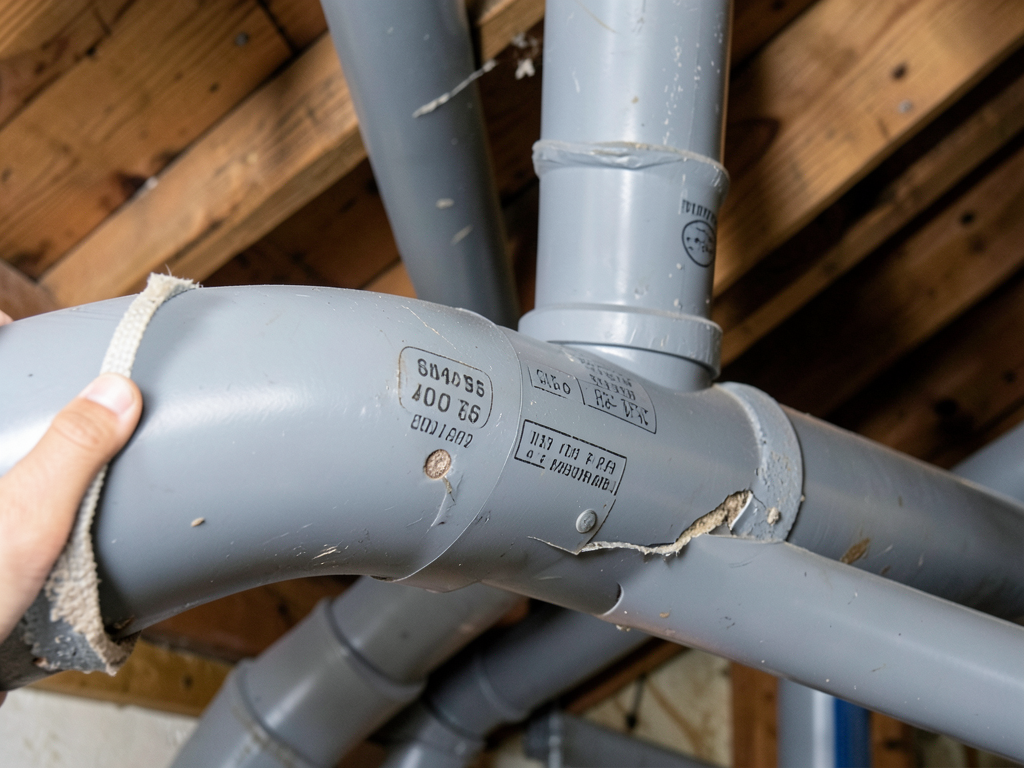
Image Description: Side-by-side comparison showing corroded gray polybutylene pipe with visible cracks next to new PEX piping installation in an attic space.
The Florida Insurance Crisis and Poly Pipes
Florida’s insurance market has been in turmoil for years, and polybutylene pipes have become a major flashpoint. Companies like Citizens Property Insurance Corporation and major private carriers now routinely require 4-point inspections that specifically identify polybutylene. If these pipes are found, insurers may refuse coverage, demand replacement before issuing a policy, or charge significantly higher premiums. Citizens Property Insurance Corporation.
The 4-point inspection examines your home’s electrical, plumbing, HVAC, and roofing systems. When an inspector identifies polybutylene, they must note it as a material defect that could lead to water damage claims. This information follows your property record and can make selling your home more difficult, as potential buyers’ insurance companies will also flag the plumbing as a risk factor. Who to Call for a Plumbing Emergency in Winter Park After Hours.
Post-replacement, homeowners often see insurance premium reductions of 15-30% and find it much easier to obtain coverage from multiple carriers. This improved insurability translates to better resale value and peace of mind knowing your home won’t be rejected by the next buyer’s insurance company.
Signs You Need Immediate Replacement
Several warning signs indicate your polybutylene pipes are failing and need urgent replacement. Unexplained increases in your Orlando Utilities Commission water bill often signal hidden leaks. You might notice damp spots on walls or ceilings, particularly in areas where pipes run through attics or interior walls. Low water pressure throughout your home can indicate internal pipe degradation restricting water flow. Warning Signs You Might Have a Slab Leak Under Your Orlando Foundation.
More dramatic signs include visible pipe discoloration, bulging sections, or fittings that feel loose or wobbly. Some homeowners report hearing unusual sounds when water runs through the pipes, like popping or cracking noises that weren’t present before. If you notice any of these symptoms, immediate inspection is critical to prevent catastrophic failure.
St. Cloud’s soil composition adds another layer of risk. The area’s sandy soil combined with high water table levels means slab foundations are common, and polybutylene pipes running under slabs are particularly vulnerable to shifting and pressure changes that accelerate failure. Homes near Lakefront Park or in older subdivisions along Pennsylvania Avenue are especially at risk due to their age and construction era. Common Toilet Problems in Baldwin Park Townhomes and How We Fix Them.
Our Repiping Process: What to Expect
Professional polybutylene replacement follows a systematic process that minimizes disruption to your daily life. The first step involves comprehensive inspection using video cameras and pressure testing to map your entire plumbing system and identify all polybutylene sections. This diagnostic phase typically takes 2-3 hours and provides a detailed report of your pipe condition and replacement scope.
Once you approve the replacement plan, we handle all necessary permitting through the Osceola County Building Division. Florida Building Code requires specific permits for whole-house repiping, and our team ensures compliance with all local regulations. The actual repiping process usually takes 3-5 days for an average St. Cloud home, depending on size and complexity.
During replacement, we typically use PEX-a piping, which offers superior flexibility and freeze resistance compared to older PEX materials. The new pipes are installed using minimal wall cuts, and we carefully match existing wall textures during repair. Most homeowners can remain in their homes during the process, though we recommend temporary relocation for families with young children or those with respiratory sensitivities due to construction dust. Why Old Maitland Homes Often Need Complete Copper Repiping.
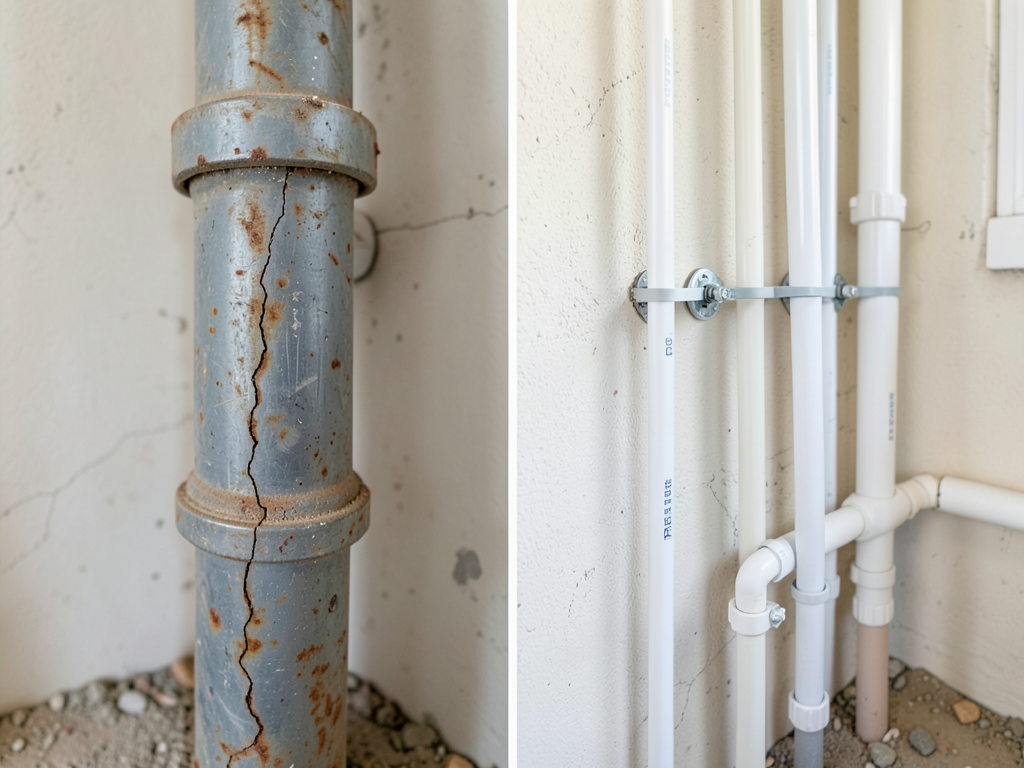
Image Description: Technician using thermal imaging camera to detect hidden moisture behind walls where polybutylene pipes may be failing.
Cost and ROI of Pipe Replacement in Central Florida
Polybutylene replacement costs in St. Cloud typically range from $4,000 to $15,000 depending on home size, accessibility, and whether you’re replacing just visible pipes or the entire system. While this represents a significant investment, the return on investment extends beyond preventing water damage. Homes with updated plumbing systems sell faster and command higher prices in the Central Florida market.
Consider the alternative costs: a single major pipe failure can cause $10,000-$50,000 in water damage, not including the cost of emergency plumbing services and temporary housing during repairs. Insurance deductibles alone often exceed $5,000, and some policies may not cover damage from known material defects like polybutylene.
Many homeowners in St. Cloud’s older neighborhoods have found that replacement costs are partially offset by reduced insurance premiums and increased home values. Additionally, modern PEX piping offers better water pressure, reduced noise, and improved resistance to Florida’s hard water and chlorine levels compared to the original polybutylene installation.
PEX vs. CPVC: Making the Right Choice for Florida
When replacing polybutylene, homeowners typically choose between PEX and CPVC piping. PEX offers superior flexibility, making it ideal for retrofitting older homes with complex layouts. It expands slightly when frozen, reducing burst risk during rare Central Florida cold snaps. PEX also resists scale buildup better than CPVC in our hard water conditions.
CPVC remains a viable option for straight runs and offers slightly better chemical resistance to certain additives in municipal water. However, it’s more rigid and requires more fittings, which can become failure points over time. CPVC also becomes brittle with age and UV exposure, making it less suitable for attic installations common in St. Cloud homes.
For most St. Cloud homeowners, PEX-a represents the best balance of durability, flexibility, and long-term performance in our climate. The material’s resistance to chlorine degradation and its ability to handle Florida’s temperature fluctuations make it particularly well-suited to our environmental conditions.
Building Code Compliance and Permitting
Florida Building Code Section 301.3 requires permits for any plumbing system modifications affecting more than 10% of the piping. This means whole-house repiping projects must be permitted through local building departments. In Osceola County, this involves submitting detailed plans showing pipe routing, fixture locations, and material specifications.
Post-installation, your new plumbing must pass pressure testing and inspection before the system can be covered or put into service. This ensures all connections are watertight and the system meets current code requirements for flow rates and fixture counts. The inspection process also verifies that proper shut-off valves and accessibility requirements are met.
Working with licensed plumbers familiar with local codes is essential. Unpermitted work can create liability issues if you sell your home or if problems arise later. Additionally, insurance companies may deny claims related to unpermitted plumbing work, leaving you financially responsible for any resulting damage.
Preventing Future Plumbing Issues
Once you’ve replaced your polybutylene pipes, several maintenance practices can extend the life of your new plumbing system. Installing a whole-house water softener can reduce mineral buildup in our hard water, while regular inspection of visible pipes helps catch any developing issues early. Consider installing water leak detection systems that can automatically shut off water if they detect unusual flow patterns.
Pay attention to your water pressure. Florida’s municipal systems often operate at higher pressures than ideal for residential plumbing. Installing a pressure-reducing valve can prevent stress on your pipes and fixtures, potentially extending their lifespan by years. Most experts recommend keeping household water pressure between 40-60 PSI.
Regular maintenance of your water heater also protects your entire plumbing system. Sediment buildup in water heaters can accelerate corrosion in nearby pipes and reduce overall system efficiency. Flushing your water heater annually and replacing anode rods as needed can prevent these secondary issues from affecting your newly installed plumbing.
Local Resources and Support
St. Cloud residents have access to several local resources for plumbing concerns. The Osceola County Cooperative Extension Service offers water quality testing that can help you understand your specific water chemistry and its impact on plumbing materials. The St. Cloud Chamber of Commerce maintains a directory of licensed local contractors who can provide references and insurance documentation.
For emergency situations, the St. Cloud Fire Department recommends keeping their non-emergency number handy for situations that don’t require 911 response but need immediate attention. Many local plumbers offer 24/7 emergency services specifically for pipe bursts and major leaks that can cause extensive damage if not addressed quickly.
Community groups on social media platforms often share recommendations for local service providers and can provide insights into which companies have experience with polybutylene replacement in older St. Cloud neighborhoods. These peer recommendations can be valuable when selecting a contractor for such a significant home improvement project.
Frequently Asked Questions
How can I tell if my St. Cloud home has polybutylene pipes?
Look for gray, blue, or black flexible pipes, typically 1/2 inch in diameter, often with “PB2110” markings. These pipes are commonly found in homes built between 1978-1995 in Central Florida. A professional inspection using moisture meters and pressure testing provides definitive identification.
Will my insurance company drop me if I have polybutylene pipes?
Many Florida insurance carriers will either refuse coverage or demand replacement before issuing a policy. During 4-point inspections required for coverage, polybutylene is flagged as a material defect that increases claim risk. Some companies offer coverage with significantly higher premiums for homes with these pipes.
How long does polybutylene pipe replacement take in a typical St. Cloud home?
Most whole-house replacements take 3-5 days, depending on home size and accessibility. The process includes inspection, permitting, pipe removal and installation, wall repairs, and final inspection. Many homeowners can remain in their homes during the process, though temporary relocation is recommended for families with young children.
What’s the difference between PEX and CPVC for pipe replacement?
PEX offers superior flexibility, freeze resistance, and resistance to scale buildup in hard water. CPVC is more rigid, requires more fittings, and becomes brittle with age. For Florida’s climate and typical home layouts, PEX-a is generally recommended for its durability and ease of installation in existing structures.
Can I just replace the visible polybutylene pipes and leave the rest?
While spot replacement is possible, it’s generally not recommended. Hidden polybutylene pipes can still fail and cause damage. Complete replacement ensures all vulnerable pipes are addressed and provides the best protection against future leaks. Partial replacement may also not satisfy insurance requirements for coverage.
Take Action Before It’s Too Late
Polybutylene pipes in St. Cloud homes represent a serious risk that’s only getting worse with time. Every year these pipes remain in your walls increases the likelihood of catastrophic failure and the difficulty of obtaining affordable insurance coverage. The combination of Florida’s high chlorine levels, hard water, and aging infrastructure creates the perfect conditions for these pipes to fail when you least expect it.
Don’t wait for a pipe to burst and flood your home with thousands of gallons of water. Professional inspection can identify your risk level and provide options for replacement that fit your budget and timeline. Many homeowners find that the cost of proactive replacement is far less than the potential damage from a single major leak.
Call (239) 467-5554 today to schedule your free visual inspection and learn about your options for polybutylene replacement. Our experienced team understands the unique challenges facing St. Cloud homeowners and can help you protect your property from water damage while improving your insurance options and home value.
Pick up the phone and call (239) 467-5554 before the next storm hits or the next pipe fails. Your home’s plumbing system is too important to leave to chance, and the peace of mind that comes with modern, reliable pipes is worth the investment.
Image Description: Before and after photo showing a section of wall opened to reveal deteriorated polybutylene pipes next to the clean installation of new PEX piping system.
{
“@context”: “https://schema.org”,
“@type”: “BlogPosting”,
“headline”: “What Homeowners in St. Cloud Need to Know About Polybutylene Pipe Replacement”,
“description”: “Learn about polybutylene pipe risks in St. Cloud homes and how Florida insurance changes affect your coverage. Get expert repiping advice from local Orlando plumbers.”,
“wordCount”: 2262,
“datePublished”: “2026-03-15T15:10:00.000Z”,
“dateModified”: “2026-03-15T15:10:00.000Z”,
“inLanguage”: “en-US”,
“mainEntityOfPage”: {
“@type”: “WebPage”,
“@id”: “https://grandplumbingorlando.com”
},
“publisher”: {
“@type”: “LocalBusiness”,
“name”: “Grand Plumbing Orlando”,
“url”: “https://grandplumbingorlando.com”
},
“author”: {
“@type”: “Organization”,
“name”: “Grand Plumbing Orlando”,
“url”: “https://grandplumbingorlando.com”
},
“image”: {
“@type”: “ImageObject”,
“url”: “https://grandplumbingorlando.com/wp-content/uploads/2026/03/what-homeowners-in-st-cloud-need-to-know-about-pol-1.png”
}
}
{
“@context”: “https://schema.org”,
“@type”: “Plumber”,
“name”: “Grand Plumbing Orlando”,
“url”: “https://grandplumbingorlando.com”,
“address”: {
“@type”: “PostalAddress”,
“addressLocality”: “Orlando”
},
“areaServed”: {
“@type”: “City”,
“name”: “Orlando”
}
}
{
“@context”: “https://schema.org”,
“@type”: “FAQPage”,
“mainEntity”: [
{
“@type”: “Question”,
“name”: “How can I tell if my St. Cloud home has polybutylene pipes?”,
“acceptedAnswer”: {
“@type”: “Answer”,
“text”: “Look for gray, blue, or black flexible pipes, typically 1/2 inch in diameter, often with \”PB2110\” markings. These pipes are commonly found in homes built between 1978-1995 in Central Florida. A professional inspection using moisture meters and pressure testing provides definitive identification.”
}
},
{
“@type”: “Question”,
“name”: “Will my insurance company drop me if I have polybutylene pipes?”,
“acceptedAnswer”: {
“@type”: “Answer”,
“text”: “Many Florida insurance carriers will either refuse coverage or demand replacement before issuing a policy. During 4-point inspections required for coverage, polybutylene is flagged as a material defect that increases claim risk. Some companies offer coverage with significantly higher premiums for homes with these pipes.”
}
},
{
“@type”: “Question”,
“name”: “How long does polybutylene pipe replacement take in a typical St. Cloud home?”,
“acceptedAnswer”: {
“@type”: “Answer”,
“text”: “Most whole-house replacements take 3-5 days, depending on home size and accessibility. The process includes inspection, permitting, pipe removal and installation, wall repairs, and final inspection. Many homeowners can remain in their homes during the process, though temporary relocation is recommended for families with young children.”
}
},
{
“@type”: “Question”,
“name”: “What’s the difference between PEX and CPVC for pipe replacement?”,
“acceptedAnswer”: {
“@type”: “Answer”,
“text”: “PEX offers superior flexibility, freeze resistance, and resistance to scale buildup in hard water. CPVC is more rigid, requires more fittings, and becomes brittle with age. For Florida’s climate and typical home layouts, PEX-a is generally recommended for its durability and ease of installation in existing structures.”
}
},
{
“@type”: “Question”,
“name”: “Can I just replace the visible polybutylene pipes and leave the rest?”,
“acceptedAnswer”: {
“@type”: “Answer”,
“text”: “While spot replacement is possible, it’s generally not recommended. Hidden polybutylene pipes can still fail and cause damage. Complete replacement ensures all vulnerable pipes are addressed and provides the best protection against future leaks. Partial replacement may also not satisfy insurance requirements for coverage.”
}
}
]
}
{
“@context”: “https://schema.org”,
“@type”: “BreadcrumbList”,
“itemListElement”: [
{
“@type”: “ListItem”,
“position”: 1,
“name”: “Home”,
“item”: “https://grandplumbingorlando.com”
},
{
“@type”: “ListItem”,
“position”: 2,
“name”: “Blog”,
“item”: “https://grandplumbingorlando.com/blog”
},
{
“@type”: “ListItem”,
“position”: 3,
“name”: “What Homeowners in St. Cloud Need to Know About Polybutylene Pipe Replacement”
}
]
}
{
“@context”: “https://schema.org”,
“@type”: “Service”,
“serviceType”: “Plumbing”,
“provider”: {
“@type”: “LocalBusiness”,
“name”: “Grand Plumbing Orlando”,
“url”: “https://grandplumbingorlando.com”
},
“areaServed”: {
“@type”: “City”,
“name”: “Orlando”
},
“description”: “Learn about polybutylene pipe risks in St. Cloud homes and how Florida insurance changes affect your coverage. Get expert repiping advice from local Orlando plumbers.”
}