
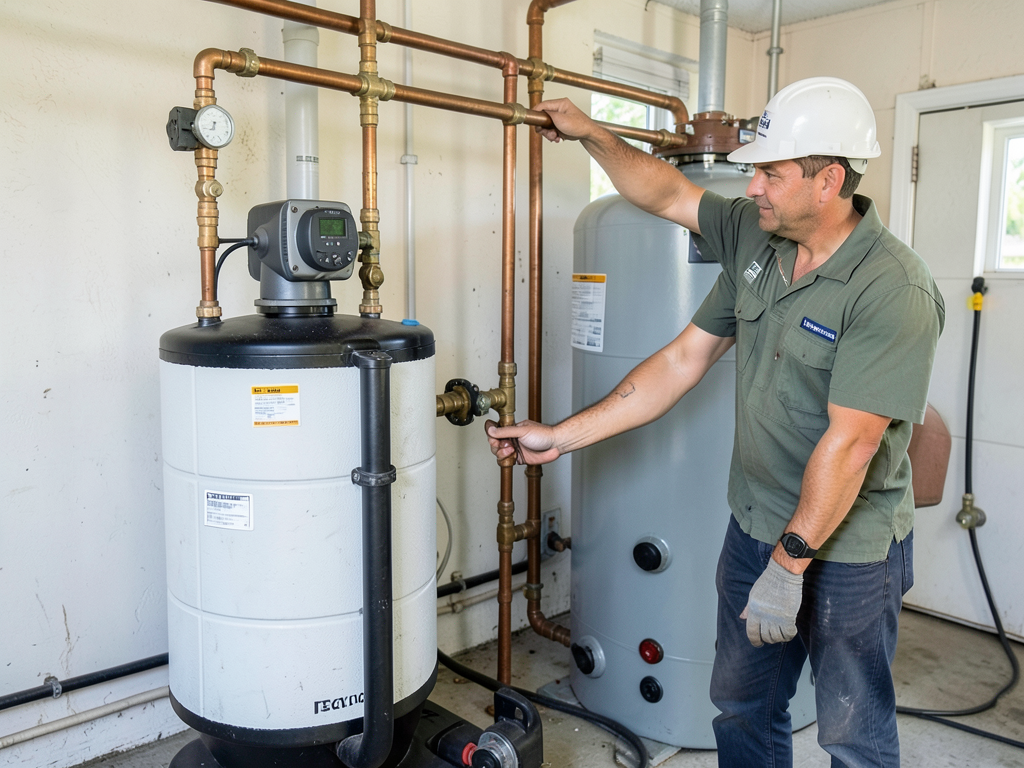
Improving the Taste and Quality of Well Water for Families in Wedgefield
Wedgefield families know the frustration of sulfur smells, rusty stains, and hard water from private wells. The Floridan Aquifer beneath Central Florida creates unique water chemistry that affects thousands of homes in this area. Bad-tasting water can damage plumbing fixtures, ruin laundry, and make daily life unpleasant. Florida Department of Health Well Water Guidelines.
Most Wedgefield wells draw from shallow to moderate depths where iron bacteria, hydrogen sulfide, and tannins thrive. These contaminants create that rotten egg smell, orange staining, and cloudy appearance many residents battle daily. The good news? Modern filtration systems can eliminate these problems and deliver clean, great-tasting water. Is a Tankless Water Heater Right for Your Lake Nona Home?.
Florida’s water table sits close to the surface in Wedgefield, meaning wells here face seasonal changes that affect water quality. Heavy rains can stir up sediment while dry periods concentrate minerals. Understanding these patterns helps homeowners choose the right treatment system for year-round protection.
Call (239) 467-5554 today to schedule your free water test and learn exactly what’s in your well water.
Common Well Water Problems in Central Florida
The Floridan Aquifer’s unique geology creates specific water quality challenges for Wedgefield homeowners. Understanding these contaminants helps explain why standard city water treatment won’t work for private wells.
Hydrogen Sulfide and Sulfur Odors
Hydrogen sulfide gas produces that unmistakable rotten egg smell when water runs from taps. This gas forms when sulfur bacteria break down organic matter in groundwater. In Wedgefield, shallow wells near wetlands or drainage areas show higher sulfur levels.
The smell intensifies with hot water because heat releases dissolved gases. Many homeowners notice the odor strongest during the rainy season when groundwater levels rise and disturb sulfur deposits.
Iron and Manganese Staining
Iron shows up as orange or brown stains on sinks, toilets, and laundry. Manganese creates black or purple discoloration. These metals dissolve naturally in Florida’s limestone bedrock and flow directly into private wells without municipal filtration. Common Toilet Problems in Baldwin Park Townhomes and How We Fix Them.
Iron bacteria often accompany dissolved iron, creating slimy orange deposits inside pipes and water heaters. This biofilm reduces water flow and creates unpleasant tastes.
Tannins and Organic Matter
Tannins from decaying vegetation give water a yellow or tea-like color. These organic compounds are common in areas with wetlands, forests, or agricultural runoff. Wedgefield’s location near conservation areas means many wells contain tannins.
While tannins don’t pose health risks, they create bitter tastes and can stain laundry and fixtures over time.
Hard Water Scale
Florida’s limestone foundation means high calcium and magnesium levels in well water. Hard water creates white scale buildup on faucets, reduces soap effectiveness, and shortens appliance lifespan. Wedgefield water hardness typically ranges from 10-15 grains per gallon, above the 7-grain threshold where softening becomes beneficial.
Water Testing: The First Step to Better Water
Before installing any treatment system, professional water testing reveals exactly what contaminants affect your home. Guessing leads to wasted money on ineffective solutions.
What We Test For
A comprehensive well water test checks for hydrogen sulfide, iron, manganese, tannins, hardness, pH, total dissolved solids, and bacteria. We also test for nitrates and lead if you have concerns about agricultural or industrial contamination.
Testing takes about 30 minutes and provides immediate results for basic parameters. More detailed laboratory analysis takes 3-5 days for comprehensive reports.
Understanding Your Results
Water quality reports show contaminant levels in parts per million or grains per gallon. The EPA sets maximum contaminant levels for public water systems, but private well owners must establish their own safety standards. EPA Private Well Owner Requirements.
For example, iron becomes problematic above 0.3 ppm, causing staining and taste issues. Hydrogen sulfide becomes noticeable around 0.1 ppm. Understanding these thresholds helps determine treatment needs.
Filtration Solutions for Wedgefield Wells
Different contaminants require specific treatment technologies. A one-size-fits-all approach wastes money and fails to solve problems.
Sulfur Block Filtration Systems
Sulfur block filters use specialized media to oxidize and trap hydrogen sulfide gas. These systems work best for hydrogen sulfide levels under 5 ppm and require minimal maintenance. The media lasts 5-7 years in Florida’s climate.
Installation involves placing the filter after the pressure tank but before any water softeners or RO systems. This positioning maximizes contact time for gas removal.
Iron and Manganese Filters
Oxidizing filters convert dissolved iron and manganese into particles that can be trapped by filter media. These systems use air injection or chemical oxidizers to precipitate metals before filtration.
Backwashing removes accumulated particles, keeping the system clean. Filter media typically lasts 5-10 years depending on water chemistry and usage.
Tannin Removal Systems
Anion exchange systems remove tannins through ion exchange, similar to water softeners but using different resin. These systems work best for tannin levels under 10 ppm and require regular salt regeneration.
Water Softening for Hard Water
Water softeners use ion exchange to replace calcium and magnesium with sodium or potassium. This prevents scale buildup and improves soap effectiveness. Softened water feels slippery and requires less detergent for cleaning.
Modern softeners include demand-initiated regeneration, saving salt and water by only regenerating when needed. This feature becomes crucial in Florida’s high-humidity environment where traditional timers can malfunction.
Reverse Osmosis for Drinking Water
RO systems provide the highest quality drinking water by forcing water through semi-permeable membranes. These systems remove 95-99% of dissolved solids, including many contaminants that other filters miss.
RO works best for point-of-use applications like kitchen sinks rather than whole-house treatment due to slower flow rates and wastewater production.
UV Sterilization for Bacteria
Ultraviolet light kills bacteria, viruses, and other microorganisms without chemicals. UV systems work best when water is already filtered to remove particles that can shield pathogens from light exposure.
Regular lamp replacement every 12 months ensures consistent protection. Many Florida well owners combine UV with other filtration for comprehensive water treatment.
The Installation Process: What to Expect
Professional installation ensures your water treatment system works correctly from day one. The process typically takes one day for most residential systems.
Site Assessment
Before installation, we evaluate your plumbing layout, available space, and electrical requirements. Most treatment systems need a dry, level area near the pressure tank with access to a drain and power outlet. Who to Call for a Plumbing Emergency in Winter Park After Hours.
We also check your well pump’s capacity to ensure it can handle the additional pressure drop from filtration systems.
System Installation
Installation begins with shutting off water supply and draining existing lines. We then mount filtration equipment, connect plumbing, and install any required bypass valves for maintenance.
Electronic controls for modern systems need programming based on your specific water chemistry and household usage patterns.
Initial Startup and Testing
After installation, we flush the system to remove any residual media dust or manufacturing debris. We then test all connections for leaks and verify proper operation of control valves and sensors.
Water quality testing confirms the system removes targeted contaminants to acceptable levels.
Owner Training
We walk you through system operation, including how to check salt levels, initiate manual regeneration, and recognize warning signs that maintenance is needed. Most systems require minimal attention once properly set up. Warning Signs You Might Have a Slab Leak Under Your Orlando Foundation.
Well Pump Integration and Maintenance
Your well pump and pressure tank work together with treatment systems to deliver consistent water pressure and quality.
Pump Capacity Considerations
Treatment systems create pressure drops that can affect water flow if your pump isn’t sized properly. A typical 3-bedroom home needs at least a 10-gallon-per-minute pump to handle both household demand and filtration.
If your pump struggles to maintain pressure with treatment systems installed, upgrading to a constant pressure system may be necessary.
Pressure Tank Sizing
Pressure tanks store water under pressure, reducing how often your pump cycles on and off. Proper sizing prevents premature pump failure and ensures treatment systems receive adequate flow rates.
A general rule: one gallon of drawdown capacity per gallon per minute of pump capacity. So a 10 GPM pump needs a 10-gallon drawdown tank.
Regular Maintenance Schedule
Well systems need annual inspections to check pump performance, pressure switch settings, and tank air pressure. Treatment systems require media replacement every 5-10 years and filter changes every 6-12 months depending on usage.
Water testing every two years helps catch changes in water chemistry before they cause problems.
Orange County Health Department Requirements
Orange County regulates private wells to protect public health. Understanding these requirements helps ensure your system remains compliant.
Permit Requirements
New well construction requires permits from the Orange County Health Department. Existing wells being modified or abandoned also need permits. Treatment system installations typically don’t require permits unless they involve major plumbing modifications.
Permit fees vary based on well depth and location. Most residential wells cost $150-300 for initial permitting.
Water Testing Mandates
Florida Administrative Code requires testing new wells for bacteria, nitrates, and lead before use. Annual testing for bacteria is recommended but not required for existing wells.
If bacteria are present, disinfection with chlorine or UV treatment becomes mandatory before the well can be used for drinking.
Abandonment Procedures
Abandoned wells must be properly sealed to prevent contamination of aquifers. This process involves removing equipment, cleaning the well bore, and filling it with cement grout from bottom to top.
Only licensed well contractors can legally abandon wells in Florida.
Seasonal Water Quality Changes in Wedgefield
Florida’s climate creates seasonal variations in well water quality that many homeowners don’t anticipate.
Rainy Season Impacts
June through September brings heavy rains that can stir up sediment and increase turbidity. Surface water intrusion becomes more likely during this period, potentially introducing bacteria or organic matter.
Many homeowners notice their water turning cloudy or developing odors during peak rainy season. This is when UV systems and sediment filters prove most valuable.
Dry Season Concentration
October through May typically brings lower rainfall and reduced water tables. This concentrates dissolved minerals, potentially making hardness, iron, and sulfur problems more noticeable.
Water levels in shallow wells may drop significantly during extended dry periods, causing pump cavitation or air entrainment.
Temperature Effects
Florida’s warm climate affects chemical reactions in water. Higher temperatures accelerate bacterial growth and can increase hydrogen sulfide production. Water heaters set above 120°F can actually increase sulfur odors by driving off gases.
Cost Considerations and Financing
Water treatment represents a significant investment, but poor water quality costs more in the long run through damaged fixtures, ruined laundry, and shortened appliance life.
System Pricing Factors
Basic sulfur filters start around $1,500 installed, while comprehensive treatment systems with multiple technologies can exceed $5,000. Factors affecting cost include:
- Contaminant levels requiring treatment
- Household water usage and flow rate requirements
- Installation complexity and plumbing modifications needed
- Brand and quality of components selected
Operating Costs
Beyond initial installation, treatment systems incur ongoing expenses:
- Electricity for control valves and pumps
- Salt for softeners and tannin filters
- Replacement filters and media
- Annual maintenance and service calls
Financing Options
Many homeowners qualify for financing through third-party lenders, allowing them to spread costs over 12-60 months. Some utility companies offer rebates for water-efficient treatment systems.
Choosing the Right System for Your Home
With so many options available, selecting the right treatment system requires understanding your specific water chemistry and household needs.
Point-of-Use vs. Whole-House Treatment
Point-of-use systems treat water at specific taps, typically under kitchen sinks for drinking and cooking. These systems cost less but don’t protect plumbing or appliances.
Whole-house systems treat all water entering your home, protecting everything from toilets to water heaters. They cost more but provide comprehensive protection.
Treatment Combinations
Many homes need multiple treatment stages. A typical system might include: Why Old Maitland Homes Often Need Complete Copper Repiping.
- Sediment pre-filter to protect other components
- Sulfur or iron filter for specific contaminants
- Water softener for hardness
- UV sterilizer for bacteria
- RO system for drinking water
Professional vs. DIY Installation
While basic filters can be homeowner-installed, comprehensive treatment systems benefit from professional installation. Professionals ensure proper sizing, plumbing integration, and warranty coverage.
DIY installations often void manufacturer warranties and may not meet local plumbing codes.
Frequently Asked Questions
How long does a water treatment system last?
Quality systems typically last 10-15 years with proper maintenance. Individual components need replacement more frequently: filters every 6-12 months, media every 5-10 years, and control valves every 8-12 years.
Will a water softener make my water taste salty?
No. Water softeners exchange calcium and magnesium ions with sodium ions, but the amount of sodium added is minimal – typically less than 10% of the sodium in a slice of bread. The water doesn’t taste salty.
Can I install a system myself?
Basic sediment filters can be DIY projects, but comprehensive treatment systems require plumbing expertise, electrical knowledge, and understanding of water chemistry. Improper installation can damage your plumbing and void warranties.
How much does water testing cost?
Basic in-home testing is often free as part of a system consultation. Comprehensive laboratory testing for all potential contaminants typically costs $150-300 but provides the most accurate picture of your water quality.
Will treatment systems affect my water pressure?
Properly sized systems cause minimal pressure drop – usually 3-5 psi. If you notice significant pressure loss, your system may be undersized or need maintenance.
How often should I test my well water?
Test annually for bacteria and every 2-3 years for chemical contaminants. Test immediately if you notice changes in taste, odor, or appearance, or after flooding or land disturbances near your well.
Take Control of Your Water Quality Today
Bad-tasting, smelly water doesn’t have to be your daily reality. Modern treatment systems can eliminate sulfur odors, iron stains, and hard water problems that plague so many Wedgefield homes.
Every day you wait means more damage to your plumbing, more ruined laundry, and more frustration for your family. Professional water testing reveals exactly what’s in your water and what it takes to fix it.
Don’t guess about your water quality. Call (239) 467-5554 today to schedule your free water test and consultation. Our local experts understand Wedgefield’s specific water challenges and can recommend the right solution for your home and budget.
Pick up the phone and call (239) 467-5554 before the next heavy rain stirs up more problems in your well. Clean, great-tasting water is just one call away.
{
“@context”: “https://schema.org”,
“@type”: “BlogPosting”,
“headline”: “Improving the Taste and Quality of Well Water for Families in Wedgefield”,
“description”: “Fix sulfur smells, iron stains, and hard water in Wedgefield. Learn about Florida well water testing, filtration systems, and treatment solutions for your home.”,
“wordCount”: 2395,
“datePublished”: “2026-03-31T07:07:00.000Z”,
“dateModified”: “2026-03-31T07:07:00.000Z”,
“inLanguage”: “en-US”,
“mainEntityOfPage”: {
“@type”: “WebPage”,
“@id”: “https://grandplumbingorlando.com”
},
“publisher”: {
“@type”: “LocalBusiness”,
“name”: “Grand Plumbing Orlando”,
“url”: “https://grandplumbingorlando.com”
},
“author”: {
“@type”: “Organization”,
“name”: “Grand Plumbing Orlando”,
“url”: “https://grandplumbingorlando.com”
},
“image”: {
“@type”: “ImageObject”,
“url”: “https://grandplumbingorlando.com/wp-content/uploads/2026/03/improving-the-taste-and-quality-of-well-water-for-1.png”
}
}
{
“@context”: “https://schema.org”,
“@type”: “Plumber”,
“name”: “Grand Plumbing Orlando”,
“url”: “https://grandplumbingorlando.com”,
“address”: {
“@type”: “PostalAddress”,
“addressLocality”: “Orlando”
},
“areaServed”: {
“@type”: “City”,
“name”: “Orlando”
}
}
{
“@context”: “https://schema.org”,
“@type”: “FAQPage”,
“mainEntity”: [
{
“@type”: “Question”,
“name”: “How long does a water treatment system last?”,
“acceptedAnswer”: {
“@type”: “Answer”,
“text”: “Quality systems typically last 10-15 years with proper maintenance. Individual components need replacement more frequently: filters every 6-12 months, media every 5-10 years, and control valves every 8-12 years.”
}
},
{
“@type”: “Question”,
“name”: “Will a water softener make my water taste salty?”,
“acceptedAnswer”: {
“@type”: “Answer”,
“text”: “No. Water softeners exchange calcium and magnesium ions with sodium ions, but the amount of sodium added is minimal – typically less than 10% of the sodium in a slice of bread. The water doesn’t taste salty.”
}
},
{
“@type”: “Question”,
“name”: “Can I install a system myself?”,
“acceptedAnswer”: {
“@type”: “Answer”,
“text”: “Basic sediment filters can be DIY projects, but comprehensive treatment systems require plumbing expertise, electrical knowledge, and understanding of water chemistry. Improper installation can damage your plumbing and void warranties.”
}
},
{
“@type”: “Question”,
“name”: “How much does water testing cost?”,
“acceptedAnswer”: {
“@type”: “Answer”,
“text”: “Basic in-home testing is often free as part of a system consultation. Comprehensive laboratory testing for all potential contaminants typically costs $150-300 but provides the most accurate picture of your water quality.”
}
},
{
“@type”: “Question”,
“name”: “Will treatment systems affect my water pressure?”,
“acceptedAnswer”: {
“@type”: “Answer”,
“text”: “Properly sized systems cause minimal pressure drop – usually 3-5 psi. If you notice significant pressure loss, your system may be undersized or need maintenance.”
}
},
{
“@type”: “Question”,
“name”: “How often should I test my well water?”,
“acceptedAnswer”: {
“@type”: “Answer”,
“text”: “Test annually for bacteria and every 2-3 years for chemical contaminants. Test immediately if you notice changes in taste, odor, or appearance, or after flooding or land disturbances near your well.”
}
}
]
}
{
“@context”: “https://schema.org”,
“@type”: “BreadcrumbList”,
“itemListElement”: [
{
“@type”: “ListItem”,
“position”: 1,
“name”: “Home”,
“item”: “https://grandplumbingorlando.com”
},
{
“@type”: “ListItem”,
“position”: 2,
“name”: “Blog”,
“item”: “https://grandplumbingorlando.com/blog”
},
{
“@type”: “ListItem”,
“position”: 3,
“name”: “Improving the Taste and Quality of Well Water for Families in Wedgefield”
}
]
}
{
“@context”: “https://schema.org”,
“@type”: “Service”,
“serviceType”: “Plumbing”,
“provider”: {
“@type”: “LocalBusiness”,
“name”: “Grand Plumbing Orlando”,
“url”: “https://grandplumbingorlando.com”
},
“areaServed”: {
“@type”: “City”,
“name”: “Orlando”
},
“description”: “Fix sulfur smells, iron stains, and hard water in Wedgefield. Learn about Florida well water testing, filtration systems, and treatment solutions for your home.”
}