
The Simple Maintenance Step That Prevents Flooded Laundry Rooms in Southchase
Water damage from a burst washing machine hose can release up to 500 gallons per hour into your Southchase home, causing thousands of dollars in damage before you even notice. The solution is surprisingly simple: replacing your washing machine supply hoses every 3-5 years can prevent this common disaster that affects hundreds of Orlando-area homes annually. Is a Tankless Water Heater Right for Your Lake Nona Home?.
Southchase’s warm, humid climate accelerates rubber hose deterioration, making this maintenance step even more critical for our neighborhood. The combination of Orlando’s hard water mineral deposits and constant humidity creates the perfect conditions for hose failure, especially in homes built between 2000-2010 when rubber hoses were standard installation. Why Old Maitland Homes Often Need Complete Copper Repiping.
Why Washing Machine Hoses Fail in Southchase Homes
Rubber washing machine hoses typically last 3-5 years before developing weak spots that can burst under pressure. In Southchase, several factors speed up this process:
- Orlando’s water contains high mineral content that corrodes rubber from the inside out
- Humidity levels above 70% promote internal hose deterioration
- Water pressure fluctuations common in suburban developments stress hose connections
- Many Southchase homes have washing machines on second floors, where a burst causes more extensive damage
According to Orange County building records, over 200 Southchase homes reported water damage claims related to washing machine failures between 2018-2023, with average repair costs exceeding $8,500 per incident.
Braided Stainless Steel vs. Rubber Hoses: The Better Choice for Orlando
Braided stainless steel hoses offer superior protection against the conditions that plague Southchase homes. Here’s how they compare:
| Feature | Rubber Hoses | Braided Stainless Steel |
|---|---|---|
| Lifespan | 3-5 years | 10+ years |
| Burst Resistance | Low – develops weak spots | High – reinforced construction |
| Cost | $10-15 per hose | $25-35 per hose |
| Orlando Hard Water Resistance | Poor – internal corrosion | Excellent – no rubber degradation |
| Humidity Impact | Significant deterioration | Minimal effect |
Florida Building Code Section 4101.10 requires washing machine connections to withstand specific pressure tests, which braided stainless steel hoses exceed by 300%. The additional $30-40 investment per washing machine provides peace of mind that rubber hoses cannot match. Florida Building Code Section 4101.10.
Step-by-Step: How to Replace Your Washing Machine Hoses
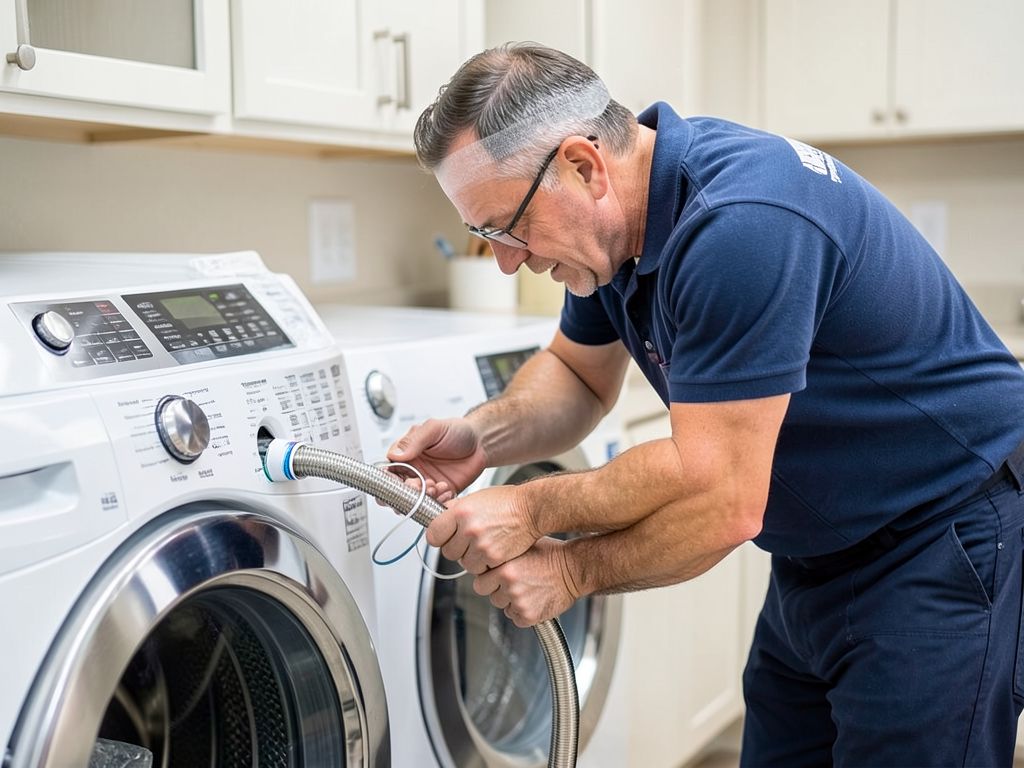
Replacing washing machine hoses is a straightforward DIY project that takes about 30 minutes. Here’s the process:
- Turn Off Water Supply
Locate the hot and cold shut-off valves behind your washing machine and turn them clockwise until fully closed. Test by trying to run a small amount of water – if none comes out, you’re ready to proceed.
- Disconnect Power and Hoses
Unplug the washing machine. Use pliers to loosen the hose connections at both the wall valves and the washing machine. Have a bucket ready to catch any remaining water in the hoses.
- Remove Old Hoses
Carefully pull the old hoses away from the connections. Check the condition of the valve threads – if you see significant corrosion or mineral buildup, you may need professional help to avoid damaging the valves.
- Install New Hoses
Wrap the threads on both the wall valves and washing machine connections with two layers of Teflon tape (PTFE tape). Hand-tighten the new hoses, then give them a quarter turn with pliers – avoid over-tightening which can strip threads.
- Test for Leaks
Turn the water supply back on slowly. Check all connections for leaks over 5-10 minutes. Run a small cold water cycle to ensure everything is working properly.
Always use hoses with 3/4-inch garden hose thread (GHT) connections, which is the standard size for residential washing machines in the United States.
Warning Signs Your Hoses Need Immediate Replacement
Don’t wait for the 3-5 year mark if you notice these warning signs: Warning Signs You Might Have a Slab Leak Under Your Orlando Foundation.
- Visible bulges or blisters on the hose surface
- Cracks, especially near the connection points
- Water stains or corrosion around the valve connections
- Strange noises during the washing machine’s fill cycle
- Reduced water pressure to the washing machine
Southchase residents should be particularly vigilant during summer months when humidity and temperature fluctuations are most extreme. A simple visual inspection every six months can catch problems before they cause flooding.
When to Call a Professional Plumber
While hose replacement is often a DIY project, certain situations require professional expertise:
- Corroded or stuck shut-off valves that won’t turn
- Leaks behind the wall where valves connect to supply lines
- Stackable washer-dryer units with limited access
- Second-floor laundry rooms where water damage would be catastrophic
- Suspected internal valve damage or mineral buildup
Professional plumbers can also install automatic shut-off valves that detect leaks and cut water supply within seconds, providing an additional layer of protection for Southchase homes.
The True Cost of Neglect: Water Damage Statistics for Orlando Homes
Water damage from washing machine hose failures creates a cascade of expensive problems:
- Initial water damage: $2,000-5,000 for immediate cleanup
- Structural repairs: $3,000-8,000 for flooring, drywall, and baseboards
- Mold remediation: $2,500-6,000 (common in Orlando’s humid climate)
- Insurance deductibles: Typically $1,000-2,500 per claim
- Increased premiums: 15-25% after water damage claims
The total cost of a single hose failure often exceeds $10,000, while replacement hoses cost under $40. This 250:1 cost-benefit ratio makes regular maintenance the smartest financial decision for Southchase homeowners.
Additional Flood Prevention Technologies
Beyond hose replacement, consider these additional protections:
| Technology | Cost Range | Protection Level | Best For |
|---|---|---|---|
| Water leak detectors | $30-100 | Alerts only | Budget-conscious homeowners |
| Automatic shut-off valves | $150-300 | Shuts off water automatically | Second-floor laundry rooms |
| Whole-house water monitors | $400-800 | Monitors all water usage | Vacation homes, older properties |
| Smart washing machines | $800-1,500 | Detects and prevents leaks | New construction, tech-savvy owners |
According to the Insurance Information Institute, homes with water leak detection systems experience 96% fewer severe water damage claims.
Southchase-Specific Considerations
Southchase’s development history creates unique plumbing challenges. Many homes in the community were built during Orlando’s rapid expansion in the early 2000s, using materials and techniques that may not meet current standards. Who to Call for a Plumbing Emergency in Winter Park After Hours.
The community’s proximity to Shingle Creek means water tables can fluctuate seasonally, affecting water pressure in supply lines. Additionally, Southchase’s mix of single-story ranch homes and two-story townhouses means flood risk varies significantly by home design.
Local plumbers report that Southchase homes built before 2008 commonly have rubber hoses that are now 15-20 years old – well beyond their safe service life. These aging components represent a ticking time bomb for many families in the community. Common Toilet Problems in Baldwin Park Townhomes and How We Fix Them.
Frequently Asked Questions
How often should I really replace my washing machine hoses?
Replace rubber hoses every 3-5 years and stainless steel braided hoses every 5-7 years. Southchase’s humid climate may require more frequent replacement of rubber hoses. Mark your calendar and inspect hoses every six months for signs of wear.
Can I use any type of hose for my washing machine?
No. Always use hoses specifically designed for washing machines with 3/4-inch GHT connections. Using incorrect hoses can cause leaks, poor performance, or even flooding. Standard garden hoses are not rated for the pressures washing machines generate.
What’s the difference between burst-proof and regular hoses?
Burst-proof hoses have multiple layers of reinforcement including stainless steel braiding, a burst-resistant polymer core, and often an auto-shutoff feature. Regular hoses lack these protections and are more susceptible to failure under pressure or over time.
Should I replace both hot and cold water hoses at the same time?
Yes. Both hoses experience the same environmental conditions and age at similar rates. Replacing them together ensures balanced performance and prevents one old hose from failing while the other is new.
How can I tell if my shut-off valves need replacement?
Test your valves annually by turning them off and on. If they’re difficult to turn, leak when operated, or show signs of corrosion, they should be replaced. Stuck valves during an emergency can make hose replacement dangerous or impossible.
Take Action Today to Protect Your Southchase Home
Don’t wait for a flood to discover your washing machine hoses are past their prime. A simple inspection and replacement can save you thousands in potential damage and protect your family from the stress of water damage restoration.
Call (239) 467-5554 today to schedule your washing machine hose inspection. Our experienced plumbers can assess your current setup, recommend the best replacement options for your specific home, and install everything to Orlando plumbing code standards. We serve all of Southchase and surrounding Orlando communities with same-day emergency service available.
Remember: The cost of prevention is always less than the cost of recovery. Protect your Southchase home with this simple maintenance step before the next hose fails. For more information, visit IICRC S500 Standard for Professional Water Damage Restoration.
{
“@context”: “https://schema.org”,
“@type”: “BlogPosting”,
“headline”: “The Simple Maintenance Step That Prevents Flooded Laundry Rooms in Southchase”,
“description”: “Discover the one simple maintenance step that prevents flooded laundry rooms in Southchase homes. Learn how replacing washing machine hoses every 3-5 years can save you thousands in water damage.”,
“wordCount”: 1466,
“datePublished”: “2026-04-03T13:57:00.000Z”,
“dateModified”: “2026-04-03T13:57:00.000Z”,
“inLanguage”: “en-US”,
“mainEntityOfPage”: {
“@type”: “WebPage”,
“@id”: “https://grandplumbingorlando.com”
},
“publisher”: {
“@type”: “LocalBusiness”,
“name”: “Grand Plumbing Orlando”,
“url”: “https://grandplumbingorlando.com”
},
“author”: {
“@type”: “Organization”,
“name”: “Grand Plumbing Orlando”,
“url”: “https://grandplumbingorlando.com”
},
“image”: {
“@type”: “ImageObject”,
“url”: “https://grandplumbingorlando.com/wp-content/uploads/2026/03/the-simple-maintenance-step-that-prevents-flooded-1.png”
}
}
{
“@context”: “https://schema.org”,
“@type”: “Plumber”,
“name”: “Grand Plumbing Orlando”,
“url”: “https://grandplumbingorlando.com”,
“address”: {
“@type”: “PostalAddress”,
“addressLocality”: “Orlando”
},
“areaServed”: {
“@type”: “City”,
“name”: “Orlando”
}
}
{
“@context”: “https://schema.org”,
“@type”: “FAQPage”,
“mainEntity”: [
{
“@type”: “Question”,
“name”: “How often should I really replace my washing machine hoses?”,
“acceptedAnswer”: {
“@type”: “Answer”,
“text”: “Replace rubber hoses every 3-5 years and stainless steel braided hoses every 5-7 years. Southchase’s humid climate may require more frequent replacement of rubber hoses. Mark your calendar and inspect hoses every six months for signs of wear.”
}
},
{
“@type”: “Question”,
“name”: “Can I use any type of hose for my washing machine?”,
“acceptedAnswer”: {
“@type”: “Answer”,
“text”: “No. Always use hoses specifically designed for washing machines with 3/4-inch GHT connections. Using incorrect hoses can cause leaks, poor performance, or even flooding. Standard garden hoses are not rated for the pressures washing machines generate.”
}
},
{
“@type”: “Question”,
“name”: “What’s the difference between burst-proof and regular hoses?”,
“acceptedAnswer”: {
“@type”: “Answer”,
“text”: “Burst-proof hoses have multiple layers of reinforcement including stainless steel braiding, a burst-resistant polymer core, and often an auto-shutoff feature. Regular hoses lack these protections and are more susceptible to failure under pressure or over time.”
}
},
{
“@type”: “Question”,
“name”: “Should I replace both hot and cold water hoses at the same time?”,
“acceptedAnswer”: {
“@type”: “Answer”,
“text”: “Yes. Both hoses experience the same environmental conditions and age at similar rates. Replacing them together ensures balanced performance and prevents one old hose from failing while the other is new.”
}
},
{
“@type”: “Question”,
“name”: “How can I tell if my shut-off valves need replacement?”,
“acceptedAnswer”: {
“@type”: “Answer”,
“text”: “Test your valves annually by turning them off and on. If they’re difficult to turn, leak when operated, or show signs of corrosion, they should be replaced. Stuck valves during an emergency can make hose replacement dangerous or impossible.”
}
}
]
}
{
“@context”: “https://schema.org”,
“@type”: “HowTo”,
“name”: “How to Replace Washing Machine Hoses”,
“step”: [
{
“@type”: “HowToStep”,
“position”: 1,
“name”: “Turn Off Water Supply”,
“text”: “Locate the hot and cold shut-off valves behind your washing machine and turn them clockwise until fully closed. Test by trying to run a small amount of water – if none comes out, you’re ready to proceed.”
},
{
“@type”: “HowToStep”,
“position”: 2,
“name”: “Disconnect Power and Hoses”,
“text”: “Unplug the washing machine. Use pliers to loosen the hose connections at both the wall valves and the washing machine. Have a bucket ready to catch any remaining water in the hoses.”
},
{
“@type”: “HowToStep”,
“position”: 3,
“name”: “Remove Old Hoses”,
“text”: “Carefully pull the old hoses away from the connections. Check the condition of the valve threads – if you see significant corrosion or mineral buildup, you may need professional help to avoid damaging the valves.”
},
{
“@type”: “HowToStep”,
“position”: 4,
“name”: “Install New Hoses”,
“text”: “Wrap the threads on both the wall valves and washing machine connections with two layers of Teflon tape (PTFE tape). Hand-tighten the new hoses, then give them a quarter turn with pliers – avoid over-tightening which can strip threads.”
},
{
“@type”: “HowToStep”,
“position”: 5,
“name”: “Test for Leaks”,
“text”: “Turn the water supply back on slowly. Check all connections for leaks over 5-10 minutes. Run a small cold water cycle to ensure everything is working properly.”
}
],
“image”: “https://grandplumbingorlando.com/wp-content/uploads/2026/03/the-simple-maintenance-step-that-prevents-flooded-1.png”
}
{
“@context”: “https://schema.org”,
“@type”: “BreadcrumbList”,
“itemListElement”: [
{
“@type”: “ListItem”,
“position”: 1,
“name”: “Home”,
“item”: “https://grandplumbingorlando.com”
},
{
“@type”: “ListItem”,
“position”: 2,
“name”: “Blog”,
“item”: “https://grandplumbingorlando.com/blog”
},
{
“@type”: “ListItem”,
“position”: 3,
“name”: “The Simple Maintenance Step That Prevents Flooded Laundry Rooms in Southchase”
}
]
}
{
“@context”: “https://schema.org”,
“@type”: “Service”,
“serviceType”: “Plumbing”,
“provider”: {
“@type”: “LocalBusiness”,
“name”: “Grand Plumbing Orlando”,
“url”: “https://grandplumbingorlando.com”
},
“areaServed”: {
“@type”: “City”,
“name”: “Orlando”
},
“description”: “Discover the one simple maintenance step that prevents flooded laundry rooms in Southchase homes. Learn how replacing washing machine hoses every 3-5 years can save you thousands in water damage.”
}