
Garbage Disposal vs. Compost: Which is Better for Your Orlando Kitchen?
When you live in Thornton Park, your kitchen waste decisions affect more than just your countertop. Orlando’s unique plumbing infrastructure and Florida’s humid climate create specific challenges for both garbage disposals and composting systems. This guide breaks down the real-world impacts of each option so you can make the right choice for your home and the environment. Who to Call for a Plumbing Emergency in Winter Park After Hours.
Garbage disposals grind food waste into tiny particles that flow through your pipes to the wastewater treatment plant. Composting transforms food scraps into nutrient-rich soil through natural decomposition. Both claim to be eco-friendly but work in fundamentally different ways with different consequences for your plumbing and the planet. Is a Tankless Water Heater Right for Your Lake Nona Home?.
The Plumbing Perspective: How Garbage Disposals Affect Your Pipes
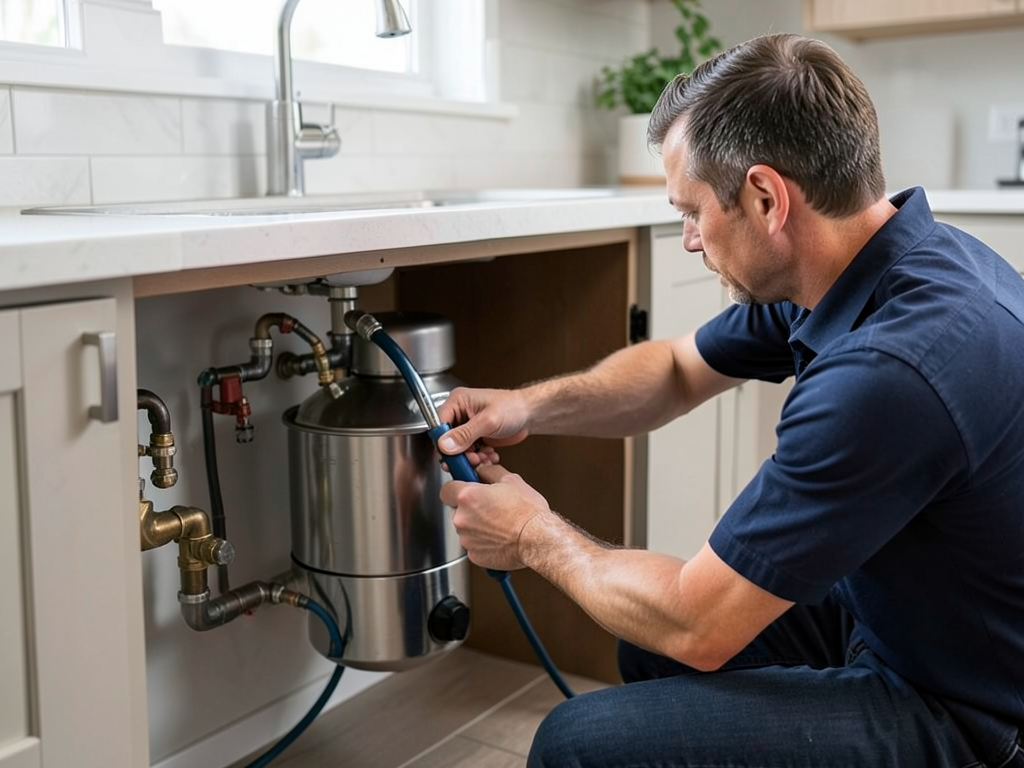
Garbage disposals connect directly to your kitchen sink drain and use a spinning blade to chop food waste into slurry. In Orlando’s older neighborhoods like Thornton Park, many homes have cast iron or galvanized steel pipes that are already decades old. The high-velocity water flow from a disposal can erode these pipes over time especially when grinding fibrous materials like celery or potato peels. Why Old Maitland Homes Often Need Complete Copper Repiping.
The biggest plumbing risk comes from fats, oils, and grease (FOG). When you grind bacon grease or butter through a disposal, it may flow freely when hot but solidifies in your pipes as it cools. Orlando’s year-round warm temperatures mean grease stays liquid longer but still congeals in the cooler sections of your plumbing system. This creates the perfect conditions for stubborn clogs that require professional hydro-jetting to clear. Plumbing Clermont.
Modern high-efficiency disposals use about 1 gallon of water per minute while grinding. That might not sound like much but over a year it adds up to thousands of gallons of clean water used just to process food waste. Orange County Utilities has reported that food waste in wastewater increases treatment costs by approximately 15 percent since the organic material requires more processing to remove.
The Environmental Breakdown: Carbon Footprint vs. Water Usage
Garbage disposals seem convenient but they shift the environmental burden from your home to the wastewater treatment plant. The Orlando Utilities Commission processes over 50 million gallons of wastewater daily at their Iron Bridge facility. When food waste enters this system it increases the biological oxygen demand (BOD) which requires more energy to treat. The EPA estimates that food waste in wastewater treatment creates 2.5 times more greenhouse gas emissions than if that same waste went to a modern landfill with methane capture. EPA composting guidelines.
Composting keeps food waste out of the water system entirely. A typical household that composts diverts 30 to 40 percent of its waste stream from landfills. The resulting compost returns nutrients to the soil reducing the need for chemical fertilizers. However Florida’s high humidity creates unique challenges. The University of Florida IFAS Extension recommends turning compost piles every 3 to 4 days in summer to prevent anaerobic conditions that produce methane and foul odors. University of Florida IFAS composting guide.
The carbon math gets interesting when you factor in transportation. Orange County Waste Management trucks collect curbside waste traveling an average of 15 miles per route. A home composting system eliminates those truck miles entirely. But if you have a septic system instead of city sewer the equation changes again since food particles can overload your drain field and require expensive repairs. Plumbing Repair Cost Guide 2026.
The Orlando Factor: Composting in Florida’s Climate
Florida’s climate creates composting conditions that would surprise gardeners from other regions. The combination of high heat and humidity means organic matter breaks down in 2 to 3 weeks instead of months. This rapid decomposition is great for producing compost quickly but it also means your pile can go anaerobic fast if not managed properly. You will notice this as a rotten egg smell which indicates harmful bacteria are taking over.
Pests present another unique challenge. Orlando’s warm climate supports year-round populations of fruit flies, cockroaches, and rodents. A poorly managed compost bin becomes a breeding ground. The Florida Department of Health recommends using enclosed bins with secure lids and maintaining a proper carbon-to-nitrogen ratio of 30:1 to minimize pest attraction. This means balancing food scraps with dry materials like shredded paper or dried leaves.
Water management becomes critical during Florida’s rainy season. A compost pile that gets too wet stops decomposing aerobically and starts producing methane. You need to cover your bin during heavy rains which happen frequently between June and September. The Orange County Extension Service suggests using a tarp with good drainage or investing in a tumbler-style composter that keeps contents contained and aerated.
Cost Comparison: Installation, Maintenance, and Utility Bills
Installing a garbage disposal typically costs between $250 and $600 including labor. Basic models start around $75 while high-end units with sound insulation and stainless steel grinding components run $300 to $400. The installation itself takes 1 to 2 hours for a professional plumber. If your home has older plumbing you might need to replace drain fittings which adds $100 to $200 to the cost.. Read more about Items That Actually Ruin the Garbage Disposal in Your Clear Lake Kitchen.
Annual maintenance for a disposal includes occasional cleaning with ice and citrus peels plus professional servicing every 5 to 7 years at $150 to $300. You will also see increased water usage on your monthly bill. A family of four using a disposal regularly might spend an extra $30 to $50 per year on water. The unit itself lasts 8 to 12 years before the motor bearings wear out.
Composting requires different upfront costs. A basic bin system runs $50 to $150 while a tumbler style composter costs $150 to $300. You might also need a countertop collection pail for $20 to $40. The annual cost is minimal maybe $10 to $20 for compost starter or additional carbon materials. The main investment is your time spent turning the pile and monitoring moisture levels which averages 10 to 15 minutes per week.
Over a 10 year period a disposal system costs approximately $800 to $1,200 including installation maintenance and increased utility bills. A composting system costs $150 to $400 over the same period. The compost you produce can replace $50 to $100 worth of garden soil or fertilizer annually which offsets some of the initial investment.
Final Verdict: Choosing the Right Waste Solution for Your Home
The best choice depends on your specific situation. If you have a septic system garbage disposals create serious risks. The Florida Department of Health warns that food particles can clog drain fields and lead to system failure which costs $3,000 to $7,000 to repair. In that case composting is the only safe option.
For homes on city sewer in neighborhoods like Thornton Park with newer plumbing a high-quality disposal might work well especially if you are short on outdoor space. Look for models with at least 3/4 horsepower motors and stainless steel grinding components. These handle tougher materials better and resist corrosion in Florida’s humid conditions.
If you have outdoor space and want to reduce your environmental impact composting is the clear winner. It eliminates water usage reduces landfill waste and creates free fertilizer for your garden. The initial learning curve is real but most people find it becomes a simple weekly routine within a month.
Consider a hybrid approach. Use your disposal for small amounts of unavoidable waste like citrus rinds but compost the majority of your food scraps. This gives you the convenience of a disposal for quick cleanup while still capturing the environmental benefits of composting.
Ready to make your kitchen more eco-friendly? Whether you need a new garbage disposal installed or want to set up a composting system Grand Plumbing Orlando can help. Our technicians understand the unique plumbing challenges in Thornton Park and can recommend solutions that protect your pipes while supporting your environmental goals. Call (239) 467-5554 today to schedule a consultation and take the first step toward a greener kitchen.
Frequently Asked Questions
Can I use a garbage disposal if I have a septic tank?
Using a garbage disposal with a septic system is not recommended. Food particles increase the solid load in your tank requiring more frequent pumping and can clog drain field lines. This leads to system failure and expensive repairs. If you must use one choose a model specifically designed for septic systems and pump your tank annually.
How do I prevent my compost bin from smelling in Orlando’s heat?
Bad odors indicate anaerobic conditions. Maintain proper moisture by keeping the pile as damp as a wrung-out sponge. Turn it every 3 to 4 days to introduce oxygen. Add dry carbon materials like shredded paper or dried leaves to balance wet food scraps. A 30:1 carbon-to-nitrogen ratio prevents most odor problems.
What items should never go in a garbage disposal?
Never put fats oils or grease pasta rice or other starchy foods down a disposal. Avoid fibrous vegetables like celery or corn husks which can wrap around the blades. Hard items like bones fruit pits and coffee grounds also damage disposals and create clogs in your pipes.
{
“@context”: “https://schema.org”,
“@type”: “BlogPosting”,
“headline”: “Comparing Garbage Disposals and Composting for Your Eco-Friendly Lifestyle in Thornton Park”,
“description”: “Discover the pros and cons of garbage disposals vs composting in Thornton Park. Learn which eco-friendly waste solution protects your Orlando plumbing and the environment.”,
“wordCount”: 1543,
“datePublished”: “2026-05-09T09:12:00.000Z”,
“dateModified”: “2026-05-09T09:12:00.000Z”,
“inLanguage”: “en-US”,
“mainEntityOfPage”: {
“@type”: “WebPage”,
“@id”: “https://grandplumbingorlando.com”
},
“publisher”: {
“@type”: “LocalBusiness”,
“name”: “Grand Plumbing Orlando”,
“url”: “https://grandplumbingorlando.com”
},
“author”: {
“@type”: “Organization”,
“name”: “Grand Plumbing Orlando”,
“url”: “https://grandplumbingorlando.com”
},
“image”: {
“@type”: “ImageObject”,
“url”: “https://grandplumbingorlando.com/wp-content/uploads/2026/03/comparing-garbage-disposals-and-composting-for-you-1.png”
}
}
{
“@context”: “https://schema.org”,
“@type”: “Plumber”,
“name”: “Grand Plumbing Orlando”,
“url”: “https://grandplumbingorlando.com”,
“address”: {
“@type”: “PostalAddress”,
“addressLocality”: “Orlando”
},
“areaServed”: {
“@type”: “City”,
“name”: “Orlando”
}
}
{
“@context”: “https://schema.org”,
“@type”: “FAQPage”,
“mainEntity”: [
{
“@type”: “Question”,
“name”: “Garbage Disposal vs. Compost: Which is Better for Your Orlando Kitchen?”,
“acceptedAnswer”: {
“@type”: “Answer”,
“text”: “When you live in Thornton Park, your kitchen waste decisions affect more than just your countertop. Orlando’s unique plumbing infrastructure and Florida’s humid climate create specific challenges for both garbage disposals and composting systems. This guide breaks down the real-world impacts of each option so you can make the right choice for your home and the environment. Who to Call for a Plumbing Emergency in Winter Park After Hours.”
}
},
{
“@type”: “Question”,
“name”: “Can I use a garbage disposal if I have a septic tank?”,
“acceptedAnswer”: {
“@type”: “Answer”,
“text”: “Using a garbage disposal with a septic system is not recommended. Food particles increase the solid load in your tank requiring more frequent pumping and can clog drain field lines. This leads to system failure and expensive repairs. If you must use one choose a model specifically designed for septic systems and pump your tank annually.”
}
},
{
“@type”: “Question”,
“name”: “How do I prevent my compost bin from smelling in Orlando’s heat?”,
“acceptedAnswer”: {
“@type”: “Answer”,
“text”: “Bad odors indicate anaerobic conditions. Maintain proper moisture by keeping the pile as damp as a wrung-out sponge. Turn it every 3 to 4 days to introduce oxygen. Add dry carbon materials like shredded paper or dried leaves to balance wet food scraps. A 30:1 carbon-to-nitrogen ratio prevents most odor problems.”
}
},
{
“@type”: “Question”,
“name”: “What items should never go in a garbage disposal?”,
“acceptedAnswer”: {
“@type”: “Answer”,
“text”: “Never put fats oils or grease pasta rice or other starchy foods down a disposal. Avoid fibrous vegetables like celery or corn husks which can wrap around the blades. Hard items like bones fruit pits and coffee grounds also damage disposals and create clogs in your pipes.”
}
}
]
}
{
“@context”: “https://schema.org”,
“@type”: “BreadcrumbList”,
“itemListElement”: [
{
“@type”: “ListItem”,
“position”: 1,
“name”: “Home”,
“item”: “https://grandplumbingorlando.com”
},
{
“@type”: “ListItem”,
“position”: 2,
“name”: “Blog”,
“item”: “https://grandplumbingorlando.com/blog”
},
{
“@type”: “ListItem”,
“position”: 3,
“name”: “Comparing Garbage Disposals and Composting for Your Eco-Friendly Lifestyle in Thornton Park”
}
]
}
{
“@context”: “https://schema.org”,
“@type”: “Service”,
“serviceType”: “Plumbing”,
“provider”: {
“@type”: “LocalBusiness”,
“name”: “Grand Plumbing Orlando”,
“url”: “https://grandplumbingorlando.com”
},
“areaServed”: {
“@type”: “City”,
“name”: “Orlando”
},
“description”: “Discover the pros and cons of garbage disposals vs composting in Thornton Park. Learn which eco-friendly waste solution protects your Orlando plumbing and the environment.”
}