
Gas Pool Heater Plumbing Problems in Dr. Phillips? Here’s What’s Really Going On
Gas pool heaters in Dr. Phillips face unique challenges from Orlando’s hard water, intense summer heat, and specific building requirements. If your heater is leaking, making strange noises, or failing to maintain temperature, the problem often starts in the plumbing connections, not the burner. This guide breaks down the most common failure patterns we see on-site and what you can do before calling a licensed plumber. Is a Tankless Water Heater Right for Your Lake Nona Home?.
Why Dr. Phillips Pool Heaters Keep Having Plumbing Issues
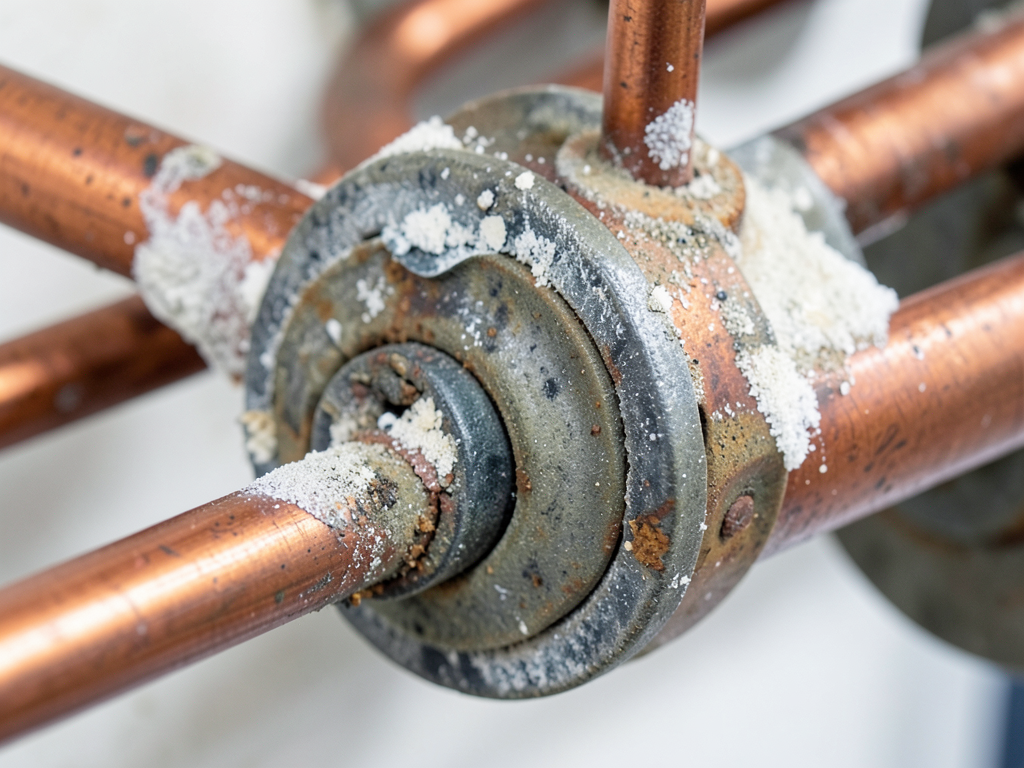
Dr. Phillips homes sit on sandy Central Florida soil that shifts slightly with seasonal rains. That movement stresses PVC joints and manifold connections. Add Orlando’s notoriously hard water, and you get calcium scale building up inside pipes and heat exchangers within 18 to 24 months. When that scale flakes off, it clogs flow sensors and check valves, causing the heater to shut down or leak. Florida Department of Business and Professional Regulation.
Most gas pool heaters in the area use Schedule 40 PVC for water lines, but many older installations used flexible hose connectors that degrade under UV exposure. Those connectors often fail at the exact point where the pipe meets the heater manifold, creating slow leaks that can rot surrounding equipment pads.. Read more about Installing Natural Gas Lines for a Custom Outdoor Fire Pit in Lake Highland.
Common Dr. Phillips Gas Pool Heater Plumbing Failures
We diagnose these problems almost daily in the Dr. Phillips area:. Read more about Protecting Your Dr. Phillips Outdoor Kitchen Plumbing From Central Florida Cold Snaps.
- Manifold gasket leaks – The molded rubber seals between heater sections crack from thermal expansion and chlorine exposure. You’ll notice water seeping at the heater base or rust staining on the manifold.
- Flow switch blockages – Hard water scale or debris from a failing check valve can jam the flow sensor, preventing the heater from firing. The heater LED flashes an error code but the pump runs fine.
- Bypass valve failure – The internal bypass that regulates water flow through the heat exchanger can stick open or closed. This causes either no heating or dangerous overheating inside the unit.
- Check valve corrosion – Spring-loaded check valves near the heater corrode from constant chlorine contact. When they fail, water can flow backward into the filter or pump when the heater is off.
How to Diagnose Pool Heater Plumbing Problems Yourself
Before scheduling service, you can run a basic diagnostic test. Turn off the pump and heater at the breaker. Look for visible water under the heater. If you see it, trace the source to either a pipe joint, the manifold, or the drain plug. Next, remove the front panel and inspect the heat exchanger for white crusty deposits – that’s calcium scale. Finally, check the pressure gauge while the pump runs. If it drops more than 5 PSI when the heater fires, you likely have a flow restriction from scale or a clogged valve.
Never bypass safety devices or remove flow switches yourself. Florida Statute 468.517 requires a licensed plumber to modify gas or high-pressure water connections on pool equipment.
Professional Repair Process for Gas Pool Heater Plumbing
When we arrive on-site in Dr. Phillips, the first step is pressure testing the entire loop. We isolate the heater and pump, then pressurize the lines to 20 PSI. Any drop points us to the exact leak location. Next, we inspect the manifold assembly per Pentair MasterTemp or Hayward Universal service manuals, checking all gasket surfaces with a dial torque wrench to factory specs – typically 7 to 10 foot-pounds for PVC-to-metal joints.
If scale is present, we use a non-acidic biodegradable descaler to avoid damaging the copper exchanger. For corroded check valves, we replace with 316 stainless steel internals rated for 200°F service. All new PVC connections get Schedule 80 where exposed to sunlight, and we wrap joints with color-coded thread seal tape for future diagnostics.
Building Code Requirements for Dr. Phillips Pool Heater Plumbing
Orange County enforces the 2020 Florida Building Code, Plumbing, Section 454.14 for pool heaters. Key points include: all gas connections must be performed by a licensed LP or natural gas contractor; water supply lines require a vacuum relief valve if the heater is mounted above the pool water level; and a union disconnect must be within 12 inches of the heater for service access. 2020 Florida Building Code – Plumbing.
Additionally, the Florida Department of Business and Professional Regulation (DBPR) requires a secondary bonding lug on all metallic pool equipment, including gas heaters. Missing this ground can cause electrolysis that eats through heat exchanger tubes in under three years.
Choosing the Right Materials for Orlando’s Climate
Schedule 40 PVC is standard for underground pool plumbing, but Schedule 80 PVC is mandatory for any pipe within 24 inches of the heater manifold or exposed to direct sunlight. Flex hose is only acceptable for pump unions, never for heater connections. For hard water areas like Dr. Phillips, we install a pre-heater sediment filter to trap calcium particles before they reach the exchanger. Who to Call for a Plumbing Emergency in Winter Park After Hours.
CPVC can handle higher temperatures than PVC, but it’s more brittle and prone to cracking if pipes shift. We use it only for short, protected runs inside the heater cabinet. For saltwater pools, all metal components must be titanium or polymer to resist accelerated corrosion.
Preventative Maintenance to Avoid Emergency Repairs
Flushing your heater every 12 months with a descaling solution can extend its life by 40%. Also, keep the area around the heater clear of mulch and plants – Orlando’s humidity promotes algae growth on plumbing that traps moisture against pipes. Check the pressure relief valve quarterly; if it drips constantly, the internal spring is failing and needs replacement. Plumbing Clermont.
Finally, install a smart flow meter that alerts you to pressure drops. Early detection of flow restriction can prevent a $2,000+ heat exchanger replacement.
When to Call a Licensed Plumber for Pool Heater Issues
If you see water pooling under the heater, smell gas near the unit, or the heater won’t fire despite clean filters and proper pump pressure, stop troubleshooting. These are signs of dangerous conditions that require a Florida-licensed plumbing contractor. Gas leaks, carbon monoxide risks, and high-pressure water failures are not DIY fixes. Warning Signs You Might Have a Slab Leak Under Your Orlando Foundation.
Call (239) 467-5554 today to schedule your inspection. We provide same-day service in Dr. Phillips and can often diagnose and repair most plumbing-related heater failures in a single visit.
Frequently Asked Questions
Why is my pool heater leaking water from the bottom?
Most bottom leaks come from failed manifold gaskets or cracked PVC joints near the heater. Thermal expansion and chlorine exposure break down rubber seals over time. A pressure test will pinpoint the exact source.
Can I use flex pipe for pool heater connections?
No. Flex pipe is only approved for pump unions. Heater connections must use rigid Schedule 40 or 80 PVC with proper unions for service access. Using flex pipe violates code and often leads to leaks.
How often should I descale my gas pool heater?
In Orlando’s hard water areas like Dr. Phillips, flush with a biodegradable descaler every 12 months. Skipping this can cause scale buildup that reduces efficiency by up to 30% and shortens heat exchanger life.
What causes my heater to shut off after a few minutes?
Common causes include a clogged flow switch, stuck bypass valve, or failing pressure sensor. Hard water scale is usually the culprit. A licensed technician can test and replace these components per manufacturer specs. Common Toilet Problems in Baldwin Park Townhomes and How We Fix Them.
Is a permit required to repair pool heater plumbing in Dr. Phillips?
Yes. Any modification to gas lines or pressurized water connections requires a permit under Orange County code. A licensed plumber will pull the permit and ensure all work meets Florida Building Code requirements.
How long does a typical pool heater plumbing repair take?
Most plumbing-related repairs – like replacing a manifold gasket or fixing a leak – take 2 to 4 hours on-site. If scale cleaning or part replacement is needed, allow 4 to 6 hours. We stock common parts to minimize downtime.
What’s the difference between Schedule 40 and Schedule 80 PVC?
Schedule 80 PVC has thicker walls and higher pressure ratings than Schedule 40. It’s required for any pipe within 24 inches of the heater or exposed to sunlight. Using Schedule 40 in these areas risks cracks and leaks.
Ready to Fix Your Pool Heater Plumbing?
Don’t let a small leak turn into a major replacement. Our licensed plumbers in Dr. Phillips understand Orlando’s unique water chemistry and building requirements. We stock the right materials, follow all Orange County codes, and back our work with a satisfaction guarantee.
Call (239) 467-5554 now to book your service. Early repair can save you hundreds in water waste and prevent dangerous equipment failures.
{
“@context”: “https://schema.org”,
“@type”: “BlogPosting”,
“headline”: “Troubleshooting Your Gas Pool Heater Plumbing in Dr. Phillips”,
“description”: “Is your Dr. Phillips pool heater leaking or failing? Learn how Orlando’s hard water, heat, and building codes affect gas heater plumbing. Call (239) 467-5554 for expert repair.”,
“wordCount”: 1486,
“datePublished”: “2026-05-14T06:24:00.000Z”,
“dateModified”: “2026-05-14T06:24:00.000Z”,
“inLanguage”: “en-US”,
“mainEntityOfPage”: {
“@type”: “WebPage”,
“@id”: “https://grandplumbingorlando.com”
},
“publisher”: {
“@type”: “LocalBusiness”,
“name”: “Grand Plumbing Orlando”,
“url”: “https://grandplumbingorlando.com”
},
“author”: {
“@type”: “Organization”,
“name”: “Grand Plumbing Orlando”,
“url”: “https://grandplumbingorlando.com”
},
“image”: {
“@type”: “ImageObject”,
“url”: “https://grandplumbingorlando.com/wp-content/uploads/2026/03/troubleshooting-your-gas-pool-heater-plumbing-in-d-1.png”
}
}
{
“@context”: “https://schema.org”,
“@type”: “Plumber”,
“name”: “Grand Plumbing Orlando”,
“url”: “https://grandplumbingorlando.com”,
“address”: {
“@type”: “PostalAddress”,
“addressLocality”: “Orlando”
},
“areaServed”: {
“@type”: “City”,
“name”: “Orlando”
}
}
{
“@context”: “https://schema.org”,
“@type”: “FAQPage”,
“mainEntity”: [
{
“@type”: “Question”,
“name”: “Why is my pool heater leaking water from the bottom?”,
“acceptedAnswer”: {
“@type”: “Answer”,
“text”: “Most bottom leaks come from failed manifold gaskets or cracked PVC joints near the heater. Thermal expansion and chlorine exposure break down rubber seals over time. A pressure test will pinpoint the exact source.”
}
},
{
“@type”: “Question”,
“name”: “Can I use flex pipe for pool heater connections?”,
“acceptedAnswer”: {
“@type”: “Answer”,
“text”: “No. Flex pipe is only approved for pump unions. Heater connections must use rigid Schedule 40 or 80 PVC with proper unions for service access. Using flex pipe violates code and often leads to leaks.”
}
},
{
“@type”: “Question”,
“name”: “How often should I descale my gas pool heater?”,
“acceptedAnswer”: {
“@type”: “Answer”,
“text”: “In Orlando’s hard water areas like Dr. Phillips, flush with a biodegradable descaler every 12 months. Skipping this can cause scale buildup that reduces efficiency by up to 30% and shortens heat exchanger life.”
}
},
{
“@type”: “Question”,
“name”: “What causes my heater to shut off after a few minutes?”,
“acceptedAnswer”: {
“@type”: “Answer”,
“text”: “Common causes include a clogged flow switch, stuck bypass valve, or failing pressure sensor. Hard water scale is usually the culprit. A licensed technician can test and replace these components per manufacturer specs. Common Toilet Problems in Baldwin Park Townhomes and How We Fix Them.”
}
},
{
“@type”: “Question”,
“name”: “Is a permit required to repair pool heater plumbing in Dr. Phillips?”,
“acceptedAnswer”: {
“@type”: “Answer”,
“text”: “Yes. Any modification to gas lines or pressurized water connections requires a permit under Orange County code. A licensed plumber will pull the permit and ensure all work meets Florida Building Code requirements.”
}
},
{
“@type”: “Question”,
“name”: “How long does a typical pool heater plumbing repair take?”,
“acceptedAnswer”: {
“@type”: “Answer”,
“text”: “Most plumbing-related repairs – like replacing a manifold gasket or fixing a leak – take 2 to 4 hours on-site. If scale cleaning or part replacement is needed, allow 4 to 6 hours. We stock common parts to minimize downtime.”
}
},
{
“@type”: “Question”,
“name”: “What’s the difference between Schedule 40 and Schedule 80 PVC?”,
“acceptedAnswer”: {
“@type”: “Answer”,
“text”: “Schedule 80 PVC has thicker walls and higher pressure ratings than Schedule 40. It’s required for any pipe within 24 inches of the heater or exposed to sunlight. Using Schedule 40 in these areas risks cracks and leaks.”
}
},
{
“@type”: “Question”,
“name”: “Ready to Fix Your Pool Heater Plumbing?”,
“acceptedAnswer”: {
“@type”: “Answer”,
“text”: “Don’t let a small leak turn into a major replacement. Our licensed plumbers in Dr. Phillips understand Orlando’s unique water chemistry and building requirements. We stock the right materials, follow all Orange County codes, and back our work with a satisfaction guarantee.”
}
}
]
}
{
“@context”: “https://schema.org”,
“@type”: “BreadcrumbList”,
“itemListElement”: [
{
“@type”: “ListItem”,
“position”: 1,
“name”: “Home”,
“item”: “https://grandplumbingorlando.com”
},
{
“@type”: “ListItem”,
“position”: 2,
“name”: “Blog”,
“item”: “https://grandplumbingorlando.com/blog”
},
{
“@type”: “ListItem”,
“position”: 3,
“name”: “Troubleshooting Your Gas Pool Heater Plumbing in Dr. Phillips”
}
]
}
{
“@context”: “https://schema.org”,
“@type”: “Service”,
“serviceType”: “Plumbing”,
“provider”: {
“@type”: “LocalBusiness”,
“name”: “Grand Plumbing Orlando”,
“url”: “https://grandplumbingorlando.com”
},
“areaServed”: {
“@type”: “City”,
“name”: “Orlando”
},
“description”: “Is your Dr. Phillips pool heater leaking or failing? Learn how Orlando’s hard water, heat, and building codes affect gas heater plumbing. Call (239) 467-5554 for expert repair.”
}