
How to Stop the High Pitched Whistling Noise in Your Holden Heights Pipes
That high-pitched whistle coming from your pipes sounds like a tea kettle ready to explode. If you live in Holden Heights, that whistling noise is more than annoying—it signals a plumbing issue that needs attention before it causes real damage to your home. Who to Call for a Plumbing Emergency in Winter Park After Hours.
The whistling sound typically comes from water rushing through a restricted opening at high pressure. In Holden Heights homes, this often happens when mineral-rich Florida water flows through partially blocked pipes or worn components. The sound happens when water velocity increases through a narrow space, creating vibrations that our ears interpret as a whistle. Florida Building Code Section 610.1.
Most Holden Heights homes built between the 1970s and 1990s have pipes that face unique challenges from our local water chemistry. The Orange County water supply contains minerals that build up inside pipes over time, creating the perfect conditions for whistling noises to develop. Is a Tankless Water Heater Right for Your Lake Nona Home?.
Before you ignore that whistle, understand this: high water pressure not only causes noise but can also damage your plumbing system. Pipes carrying water at excessive pressure may burst, leading to flooding and expensive repairs. The good news is that most whistling pipe problems have straightforward solutions once you identify the source.
Call (239) 467-5554 today to schedule your inspection. Our Orlando plumbers can diagnose and fix whistling pipes before they cause bigger problems.
Why Do My Pipes Sound Like a Whistle? (The Science Behind the Noise)
Water flowing through your plumbing system should move smoothly and quietly. When you hear a whistle, something is forcing that water to move faster through a smaller space. Think of it like blowing air through a narrow straw—the smaller the opening, the higher the pitch.
Several factors in Holden Heights homes create these whistling conditions: Why Old Maitland Homes Often Need Complete Copper Repiping.
Water velocity increases when pipes narrow. Mineral deposits from Orlando’s hard water gradually build up inside pipes, reducing their diameter. Water must accelerate to maintain flow through these smaller passages, creating turbulence and noise.
Pressure drops cause whistling. When water encounters resistance—whether from a partially closed valve, mineral buildup, or a failing component—it creates pressure fluctuations. These fluctuations produce the characteristic high-pitched sound.
Vibration amplifies the noise. Loose pipes or mounting straps allow pipes to vibrate against walls or floor joists. These vibrations turn a quiet restriction into a loud whistle.
Temperature affects pipe behavior. Hot water expands pipes slightly while cold water contracts them. This expansion and contraction can change how water flows through restrictions, making whistling more noticeable during certain times of day.
1. High Water Pressure (The Most Common Culprit)
Orlando’s water system typically delivers water at pressures between 60-80 PSI, but many Holden Heights homes experience pressures exceeding 80 PSI. The ideal residential water pressure ranges from 40-60 PSI for optimal performance and pipe longevity.
High pressure forces water through every restriction in your system faster, turning minor obstructions into major noise sources. A partially closed valve that might be silent at 50 PSI becomes a whistle factory at 85 PSI.
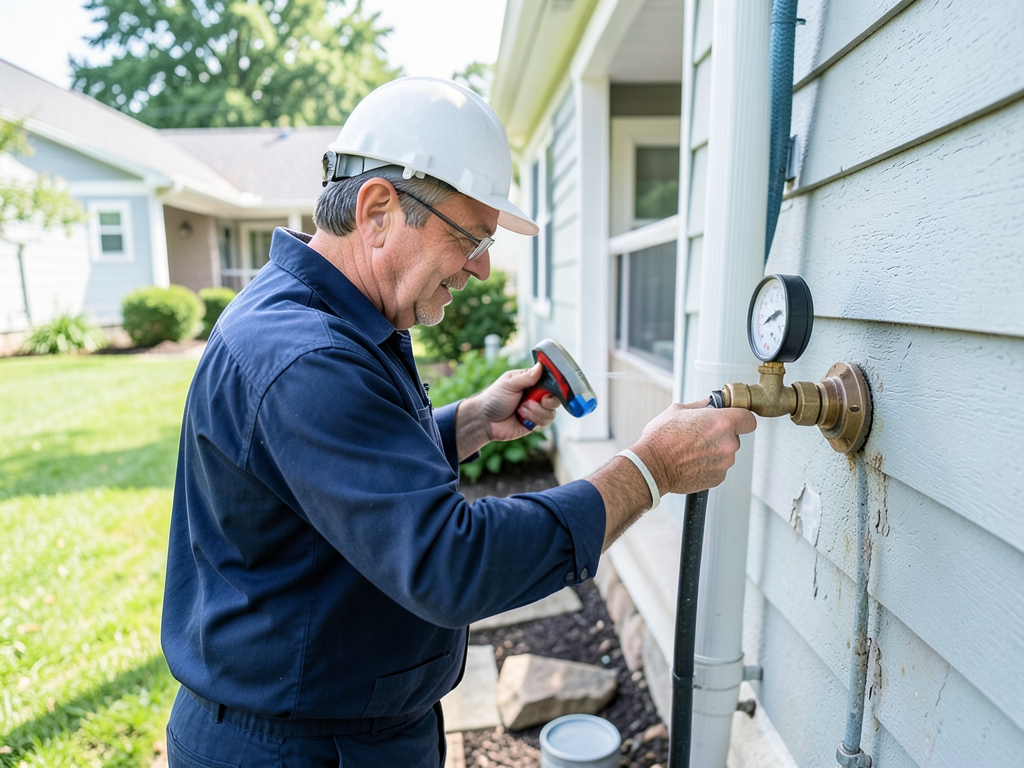
You can check your home’s water pressure with a simple gauge that screws onto an outdoor hose bib. If readings consistently exceed 70 PSI, you likely need a pressure reducing valve installation or adjustment.
Call (239) 467-5554 to have your water pressure tested. We can install a pressure gauge and check if your system operates within safe parameters.
2. Worn-out Toilet Fill Valves
Toilet fill valves are among the most common sources of whistling pipes in Holden Heights homes. These small components control water flow into your toilet tank after each flush. Common Toilet Problems in Baldwin Park Townhomes and How We Fix Them.
As fill valves age, their internal seals and diaphragms deteriorate. A worn diaphragm cannot maintain a steady seal against water pressure, causing water to escape through tiny openings at high velocity. This creates the characteristic whistle that seems to come from everywhere when the toilet refills.
Fill valves typically last 5-7 years in Orlando’s mineral-rich water conditions. Signs of a failing fill valve include: Warning Signs You Might Have a Slab Leak Under Your Orlando Foundation.
- Whistling that starts when toilets refill and stops when tanks are full
- Water continuing to trickle into the bowl after the tank fills
- Longer refill times than when the toilet was new
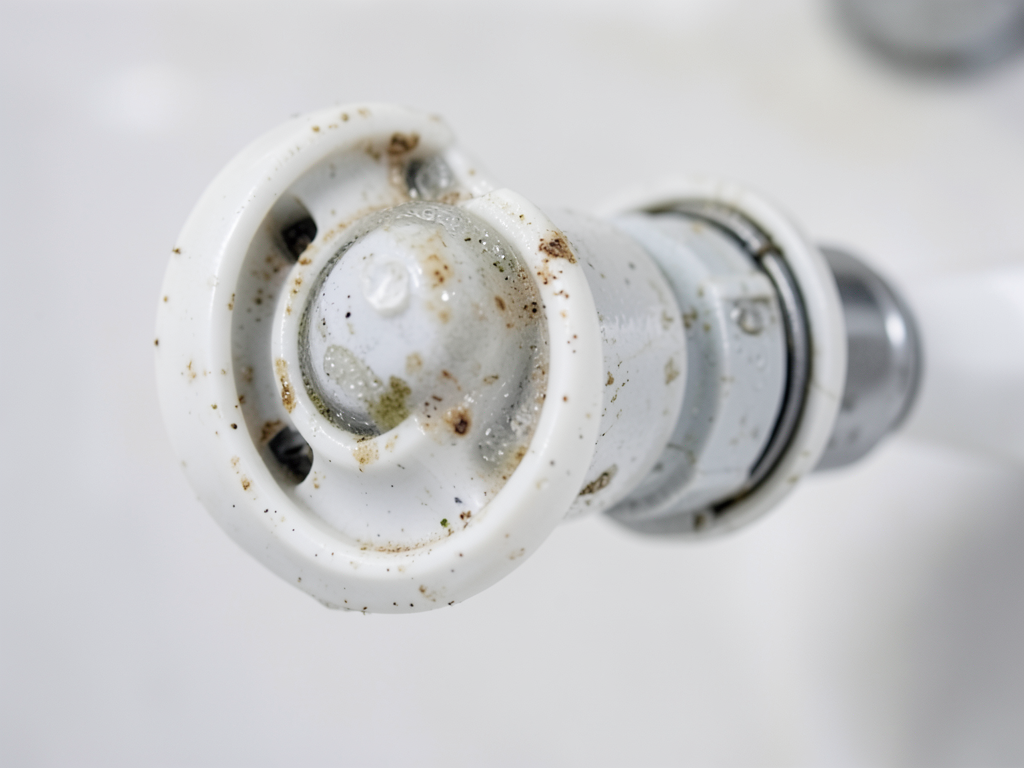
- Visible mineral buildup on the valve components
3. Mineral Buildup and Hard Water Scale
Orlando’s water contains approximately 8-15 grains per gallon of hardness minerals, primarily calcium and magnesium. These minerals precipitate out of water when it’s heated or when pressure changes occur inside pipes.
Over years, mineral deposits create rough, irregular surfaces inside pipes. Water rushing past these rough surfaces creates turbulence and the whistling sound. The problem worsens in hot water lines where mineral precipitation happens faster.
Scale buildup follows a predictable pattern in Holden Heights homes:
- First appears in water heater tanks and heat exchangers
- Spreads to elbows and T-fittings where water direction changes
- Affects aerators and faucet screens
- Eventually narrows pipe diameters throughout the system
According to the EPA’s WaterSense program, hard water can reduce pipe efficiency by up to 25% over a decade, forcing water to move faster through smaller passages.
4. Faulty Pressure Reducing Valves (PRV)
Most Holden Heights homes have a pressure reducing valve installed where the main water line enters the house. This brass valve contains a spring-loaded diaphragm that maintains consistent water pressure throughout your plumbing system.
When PRVs fail, they often produce a whistling sound that seems to come from inside your walls. Common failure patterns include:
- Worn diaphragm allowing water to escape through the pressure adjustment mechanism
- Spring fatigue causing pressure fluctuations
- Debris caught in the valve seat creating a restricted opening
- Corrosion on internal components changing water flow patterns
PRVs typically last 7-12 years in Florida’s humid conditions. A failing PRV not only causes noise but can also allow dangerous pressure spikes that damage appliances and fixtures.
Is a Whistling Pipe an Emergency?
A whistling pipe rarely signals an immediate emergency, but it indicates conditions that could lead to serious problems. Understanding the difference between a nuisance and a hazard helps you decide when to call for help.
Non-emergency whistling typically includes:
- Occasional whistling from a single toilet fill valve
- Whistling that only happens during specific water usage patterns
- Noise that stops when you turn off the main water supply
Emergency conditions requiring immediate attention:
- Whistling accompanied by water hammer (banging pipes)
- Visible water leaks near the whistling source
- Whistling that gets louder over days or weeks
- Multiple fixtures whistling simultaneously
High water pressure causes the most serious risks. Pressures above 80 PSI can:
- Burst washing machine hoses within hours
- Damage water heater tanks and relief valves
- Force water through toilet flappers, causing constant running
- Create pinhole leaks in older copper pipes
According to Florida Building Code Section 610.1, residential water pressure must not exceed 80 PSI. Homes exceeding this limit require pressure reducing valve installation or repair.
DIY Fixes You Can Try Today
Before calling a plumber, several simple fixes might stop that whistling noise. These solutions work best for isolated problems rather than whole-house issues.
Clean or replace toilet fill valves. Turn off the water supply to the toilet, flush to empty the tank, then remove the fill valve cap. Clean any visible debris or mineral deposits. If cleaning doesn’t help, replacement fill valves cost $15-30 and install in minutes.
Clean faucet aerators and showerheads. Unscrew aerators from faucets and soak them in vinegar for an hour to dissolve mineral deposits. Use a toothbrush to scrub away remaining buildup. This often stops whistling at specific fixtures.
Check and adjust the pressure reducing valve. Locate your PRV (usually near the main water shutoff valve). Using a wrench, turn the adjustment screw clockwise to increase pressure or counterclockwise to decrease it. Make small adjustments and check if the whistling changes.
Secure loose pipes. Whistling often comes from pipes vibrating against wall studs or floor joists. Use pipe straps or cushioned clamps to secure pipes where they pass through walls or along joists.
Step-by-Step Diagnostic Checklist for Identifying the Source
Finding the exact source of whistling pipes requires systematic testing. Follow this process to narrow down the problem:
- Isolate the Sound
Turn off all water-using appliances and fixtures. Listen carefully to determine if the whistling comes from one area or throughout the house.
- Test Water Pressure
Attach a pressure gauge to an outdoor hose bib. Turn on the water fully and read the pressure. Note if pressure fluctuates when other fixtures operate.
- Check Individual Fixtures
Turn on one fixture at a time, listening for changes in the whistling. Note which fixtures make the noise worse or better.
- Inspect Visible Pipes
Look under sinks and in basements for signs of vibration or movement when water runs. Check for loose mounting straps or pipes touching walls.
- Test the Main Shutoff Valve
Partially close the main water shutoff valve and observe if whistling changes. Be careful not to close it completely, as this could damage your PRV.
When to Call an Orlando Plumbing Professional
Professional help becomes necessary when DIY fixes don’t work or when you suspect whole-house issues. Several signs indicate it’s time to call a plumber:
Multiple fixture involvement. If whistling occurs at several fixtures or throughout the house, the problem likely involves your main water supply or pressure system rather than individual components.
Pressure-related issues. Fluctuating water pressure, water hammer, or pressure readings outside the 40-80 PSI range require professional diagnosis and repair.
Visible pipe damage. Corrosion, mineral buildup visible on exposed pipes, or signs of previous leaks indicate systemic problems requiring professional attention.
Older plumbing systems. Homes over 20 years old with original plumbing may have multiple failing components that interact to create whistling noises.
Commercial properties or multi-unit buildings. These systems have complex pressure zones and backflow prevention devices that require specialized knowledge to diagnose and repair.
How Orlando’s Hard Water Contributes to Noisy Pipes
Orlando’s water hardness creates unique challenges for local plumbing systems. The mineral content that makes our water taste good also causes the very problems that lead to whistling pipes.
Scale formation accelerates in Florida’s climate. Our warm temperatures and high humidity create conditions where minerals precipitate out of water more quickly than in cooler climates. Hot water pipes in Orlando homes develop scale 30-50% faster than similar pipes in northern states.
Water chemistry matters. Orlando’s water contains specific mineral ratios that affect how scale forms. The calcium-to-magnesium ratio in our water creates scale that adheres more strongly to pipe surfaces than in areas with different mineral compositions.
Seasonal variations affect pipe noise. During dry seasons, Orlando’s water supply draws from deeper aquifer levels with higher mineral content. This seasonal variation can make whistling noises more pronounced during certain months.
Water treatment affects pipe longevity. Orlando’s water treatment process, while effective for safety, doesn’t prevent mineral buildup in household plumbing. The chlorine and other treatment chemicals can actually accelerate corrosion in some pipe materials.
Preventing Future Whistling Pipe Problems
Once you fix the immediate whistling issue, prevention helps avoid future problems. Several strategies work particularly well in Holden Heights’ specific conditions.
Install a whole-house water softener. These systems remove calcium and magnesium before water enters your plumbing. In Orlando’s 8-15 GPG hardness range, softeners prevent 90% of scale formation. The initial investment of $1,200-2,500 typically pays for itself through prevented repairs and extended appliance life.
Schedule annual plumbing inspections. Professional plumbers can spot early signs of pressure problems, mineral buildup, or component wear before they cause noise or damage. Annual inspections cost $150-300 but prevent thousands in emergency repairs.
Replace aging components proactively. Toilet fill valves, faucet cartridges, and PRVs have predictable lifespans. Replacing these components before they fail prevents the cascading problems that lead to whistling and other issues.
Consider pipe material when remodeling. If you’re already opening walls for renovations, consider replacing problematic sections with modern materials. PEX piping resists scale buildup better than copper in Orlando’s water conditions.
Cost Considerations for Fixing Whistling Pipes
Repair costs vary widely depending on the source and extent of the problem. Understanding typical price ranges helps you budget appropriately.
DIY solutions cost $15-100. Replacement fill valves, new aerators, pressure gauges, and basic plumbing tools fall in this range. These fixes work for isolated problems but won’t address systemic issues.
Professional repairs typically cost $200-800. This range covers most common whistling pipe fixes including PRV replacement, valve repairs, and localized pipe cleaning or replacement.
Whole-house solutions range from $1,200-3,500. Water softener installation, whole-house repiping, or comprehensive pressure system upgrades fall in this category. These investments solve multiple problems simultaneously.
Emergency repairs cost 50-100% more. Weekend, holiday, or after-hours service calls for burst pipes or major leaks can double typical repair costs.
Comparing Repair Options: DIY vs Professional
Choosing between DIY and professional repair depends on your skills, the problem’s complexity, and your time value. This comparison helps you decide the best approach.
| Repair Type | DIY Cost Range | Professional Cost Range | Success Rate | Time Required |
|---|---|---|---|---|
| Toilet Fill Valve Replacement | $15-30 | $150-250 | 85% | 15-30 minutes |
| Faucet Aerator Cleaning | $5-15 | $100-200 | 95% | 10-20 minutes |
| Pressure Reducing Valve Adjustment | $20-50 | $300-600 | 70% | 30-60 minutes |
| Localized Pipe Repair | $50-200 | $500-1,500 | 60% | 2-6 hours |
| Whole-House Repiping | Not Recommended | $4,000-15,000 | 95% | 2-5 days |
Local Holden Heights Plumbing Considerations
Holden Heights presents specific plumbing challenges due to its age, construction style, and location within Orlando’s water system. Understanding these local factors helps diagnose problems more accurately.
Neighborhood age matters. Many Holden Heights homes were built in the 1950s-1970s using galvanized steel pipes that corrode internally while appearing fine externally. These pipes create perfect conditions for whistling as mineral deposits accumulate in already-corroded passages.
Soil conditions affect pipe longevity. Holden Heights sits on sandy Central Florida soil that allows pipes to shift slightly over time. This shifting can loosen connections or create new restrictions that cause whistling noises.
Water main characteristics. Holden Heights connects to Orlando Utilities Commission water mains that occasionally experience pressure fluctuations due to nearby construction or system maintenance. These fluctuations can make existing restrictions more pronounced.
Local building practices. Many Holden Heights homes feature slab-on-grade construction where pipes run through concrete. This makes some repairs more invasive and expensive than in homes with crawl spaces or basements.
Frequently Asked Questions
Why does my pipe whistle only at night?
Nighttime whistling often relates to pressure changes in the municipal water system. Many Orlando neighborhoods experience higher pressure at night when industrial water usage drops. Additionally, nighttime household water usage patterns (like toilet flushing after everyone goes to bed) can create pressure fluctuations that make existing restrictions more noticeable.
Can whistling pipes cause my water bill to increase?
Direct whistling rarely increases water bills, but the underlying causes often do. High water pressure forces more water through partially closed valves and restrictions. A failing toilet fill valve might waste 50-200 gallons per day. Addressing the whistling source often reduces water consumption.
How long can I wait before fixing whistling pipes?
Minor whistling from a single fixture might wait a few weeks, but whole-house whistling or whistling accompanied by other symptoms needs prompt attention. High pressure can burst pipes within hours. The longer you wait, the more likely you’ll face emergency repairs at 2-3 times normal costs.
Will a water softener stop all pipe whistling?
Water softeners address mineral-related whistling but won’t fix all causes. They eliminate scale buildup in pipes and fixtures, which solves many whistling problems. However, they won’t fix high pressure, faulty valves, or loose pipe mounting issues. Most Holden Heights homes benefit from softeners but may need additional repairs.
Is whistling covered by homeowners insurance?
Insurance typically covers sudden, accidental damage but not gradual wear and tear. If whistling leads to a burst pipe causing water damage, the damage repair might be covered while the pipe repair itself wouldn’t be. Regular maintenance to prevent whistling problems usually isn’t covered.
Final Thoughts: Living Quietly in Holden Heights
That whistling pipe isn’t just an annoyance—it’s your home telling you something needs attention. In Holden Heights, where many homes have aging plumbing systems dealing with Orlando’s mineral-rich water, whistling noises are common but fixable problems.
The key to quiet, reliable plumbing lies in understanding your home’s specific conditions and addressing problems before they escalate. Whether you need a simple fill valve replacement or a comprehensive pressure system evaluation, professional help ensures the job gets done right the first time.
Don’t let that whistle turn into a flood. Call (239) 467-5554 today to schedule your Holden Heights plumbing inspection. Our experienced Orlando plumbers can diagnose the source of your whistling pipes and recommend the most cost-effective solution for your home.
Remember, quiet pipes are happy pipes. Take action now to protect your Holden Heights home from the water damage and inconvenience that whistling pipes often precede.
Ready to stop the whistle? Pick up the phone and call (239) 467-5554. Our team serves Holden Heights and all of Orlando with fast, reliable plumbing service that gets your pipes running quietly again. For more information, visit EPA’s WaterSense program.
{
“@context”: “https://schema.org”,
“@type”: “BlogPosting”,
“headline”: “How to Stop the High Pitched Whistling Noise in Your Holden Heights Pipes”,
“description”: “Is your Holden Heights home haunted by a whistling pipe? Learn the causes, DIY fixes, and when to call our Orlando plumbers for noisy plumbing issues.”,
“wordCount”: 2881,
“datePublished”: “2026-05-17T07:47:00.000Z”,
“dateModified”: “2026-05-17T07:47:00.000Z”,
“inLanguage”: “en-US”,
“mainEntityOfPage”: {
“@type”: “WebPage”,
“@id”: “https://grandplumbingorlando.com”
},
“publisher”: {
“@type”: “LocalBusiness”,
“name”: “Grand Plumbing Orlando”,
“url”: “https://grandplumbingorlando.com”
},
“author”: {
“@type”: “Organization”,
“name”: “Grand Plumbing Orlando”,
“url”: “https://grandplumbingorlando.com”
},
“image”: {
“@type”: “ImageObject”,
“url”: “https://grandplumbingorlando.com/wp-content/uploads/2026/03/how-to-stop-the-high-pitched-whistling-noise-in-yo-1.png”
}
}
{
“@context”: “https://schema.org”,
“@type”: “Plumber”,
“name”: “Grand Plumbing Orlando”,
“url”: “https://grandplumbingorlando.com”,
“address”: {
“@type”: “PostalAddress”,
“addressLocality”: “Orlando”
},
“areaServed”: {
“@type”: “City”,
“name”: “Orlando”
}
}
{
“@context”: “https://schema.org”,
“@type”: “FAQPage”,
“mainEntity”: [
{
“@type”: “Question”,
“name”: “Is a Whistling Pipe an Emergency?”,
“acceptedAnswer”: {
“@type”: “Answer”,
“text”: “A whistling pipe rarely signals an immediate emergency, but it indicates conditions that could lead to serious problems. Understanding the difference between a nuisance and a hazard helps you decide when to call for help.”
}
},
{
“@type”: “Question”,
“name”: “Why does my pipe whistle only at night?”,
“acceptedAnswer”: {
“@type”: “Answer”,
“text”: “Nighttime whistling often relates to pressure changes in the municipal water system. Many Orlando neighborhoods experience higher pressure at night when industrial water usage drops. Additionally, nighttime household water usage patterns (like toilet flushing after everyone goes to bed) can create pressure fluctuations that make existing restrictions more noticeable.”
}
},
{
“@type”: “Question”,
“name”: “Can whistling pipes cause my water bill to increase?”,
“acceptedAnswer”: {
“@type”: “Answer”,
“text”: “Direct whistling rarely increases water bills, but the underlying causes often do. High water pressure forces more water through partially closed valves and restrictions. A failing toilet fill valve might waste 50-200 gallons per day. Addressing the whistling source often reduces water consumption.”
}
},
{
“@type”: “Question”,
“name”: “How long can I wait before fixing whistling pipes?”,
“acceptedAnswer”: {
“@type”: “Answer”,
“text”: “Minor whistling from a single fixture might wait a few weeks, but whole-house whistling or whistling accompanied by other symptoms needs prompt attention. High pressure can burst pipes within hours. The longer you wait, the more likely you’ll face emergency repairs at 2-3 times normal costs.”
}
},
{
“@type”: “Question”,
“name”: “Will a water softener stop all pipe whistling?”,
“acceptedAnswer”: {
“@type”: “Answer”,
“text”: “Water softeners address mineral-related whistling but won’t fix all causes. They eliminate scale buildup in pipes and fixtures, which solves many whistling problems. However, they won’t fix high pressure, faulty valves, or loose pipe mounting issues. Most Holden Heights homes benefit from softeners but may need additional repairs.”
}
},
{
“@type”: “Question”,
“name”: “Is whistling covered by homeowners insurance?”,
“acceptedAnswer”: {
“@type”: “Answer”,
“text”: “Insurance typically covers sudden, accidental damage but not gradual wear and tear. If whistling leads to a burst pipe causing water damage, the damage repair might be covered while the pipe repair itself wouldn’t be. Regular maintenance to prevent whistling problems usually isn’t covered.”
}
}
]
}
{
“@context”: “https://schema.org”,
“@type”: “HowTo”,
“name”: “How to Diagnose Whistling Pipes”,
“step”: [
{
“@type”: “HowToStep”,
“position”: 1,
“name”: “Isolate the Sound”,
“text”: “Turn off all water-using appliances and fixtures. Listen carefully to determine if the whistling comes from one area or throughout the house.”
},
{
“@type”: “HowToStep”,
“position”: 2,
“name”: “Test Water Pressure”,
“text”: “Attach a pressure gauge to an outdoor hose bib. Turn on the water fully and read the pressure. Note if pressure fluctuates when other fixtures operate.”
},
{
“@type”: “HowToStep”,
“position”: 3,
“name”: “Check Individual Fixtures”,
“text”: “Turn on one fixture at a time, listening for changes in the whistling. Note which fixtures make the noise worse or better.”
},
{
“@type”: “HowToStep”,
“position”: 4,
“name”: “Inspect Visible Pipes”,
“text”: “Look under sinks and in basements for signs of vibration or movement when water runs. Check for loose mounting straps or pipes touching walls.”
},
{
“@type”: “HowToStep”,
“position”: 5,
“name”: “Test the Main Shutoff Valve”,
“text”: “Partially close the main water shutoff valve and observe if whistling changes. Be careful not to close it completely, as this could damage your PRV.”
}
],
“image”: “https://grandplumbingorlando.com/wp-content/uploads/2026/03/how-to-stop-the-high-pitched-whistling-noise-in-yo-1.png”
}
{
“@context”: “https://schema.org”,
“@type”: “BreadcrumbList”,
“itemListElement”: [
{
“@type”: “ListItem”,
“position”: 1,
“name”: “Home”,
“item”: “https://grandplumbingorlando.com”
},
{
“@type”: “ListItem”,
“position”: 2,
“name”: “Blog”,
“item”: “https://grandplumbingorlando.com/blog”
},
{
“@type”: “ListItem”,
“position”: 3,
“name”: “How to Stop the High Pitched Whistling Noise in Your Holden Heights Pipes”
}
]
}
{
“@context”: “https://schema.org”,
“@type”: “Service”,
“serviceType”: “Plumbing”,
“provider”: {
“@type”: “LocalBusiness”,
“name”: “Grand Plumbing Orlando”,
“url”: “https://grandplumbingorlando.com”
},
“areaServed”: {
“@type”: “City”,
“name”: “Orlando”
},
“description”: “Is your Holden Heights home haunted by a whistling pipe? Learn the causes, DIY fixes, and when to call our Orlando plumbers for noisy plumbing issues.”
}