
Why Your Refrigerator Water Tastes Like Chlorine in Azalea Park
Your fridge water shouldn’t taste like you’re drinking from a swimming pool. If you’re in Azalea Park and your refrigerator water has that strong chlorine taste, you’re dealing with Orlando’s municipal water treatment system and a filter that’s not keeping up. Is a Tankless Water Heater Right for Your Lake Nona Home?.
The Orange County Utilities and Orlando Utilities Commission use chloramine instead of chlorine to treat our water supply. Chloramine is a combination of chlorine and ammonia that’s more stable and lasts longer in pipes. Your standard refrigerator filter was designed to remove chlorine, not chloramine, which is why you’re tasting it. Orange County Utilities water quality information.
Most fridge filters use activated carbon that works great for chlorine but only partially removes chloramine. The result is that chemical taste that makes your ice cubes and drinking water unpleasant. This is especially noticeable in Azalea Park because our water travels through older distribution lines before reaching your home.. Read more about Which is Better for Lake Nona Water (Salt-Based or Salt-Free Softeners?).
How Chloramine Gets Into Your Fridge Water
Chloramine is added at water treatment plants to kill bacteria throughout the entire distribution system. Unlike chlorine, which dissipates over time, chloramine remains active for weeks. When water sits in your refrigerator’s reservoir or travels through plastic tubing, that taste becomes concentrated.
The problem compounds when your filter is old or when Orlando experiences seasonal water quality changes. During summer months, utilities often increase treatment levels, making the taste even stronger in your fridge water.
Why Azalea Park Homes Are More Affected
Azalea Park’s water distribution system includes some older cast iron and galvanized pipes that can affect water quality. These pipes create more surface area for chloramine to interact with, potentially increasing the chemical taste by the time water reaches your refrigerator.
Additionally, many Azalea Park homes were built between the 1960s and 1980s when plumbing standards were different. The combination of older pipe materials and modern chloramine treatment creates a perfect storm for water taste issues. Who to Call for a Plumbing Emergency in Winter Park After Hours.
Quick Fixes You Can Try Today
Before calling a plumber, try these steps to improve your fridge water taste:
- Replace Your Water Filter
Most refrigerator filters need replacement every six months. If you can’t remember the last time you changed it, that’s your problem. Use a filter rated for chloramine removal, not just chlorine.
- Flush the Water Lines
Run 2-3 gallons of water through your dispenser to flush out any stagnant water sitting in the lines. This removes water that’s been absorbing the plastic taste from tubing.
- Check the Supply Line
Plastic supply lines can absorb and concentrate tastes. Replace old plastic lines with copper or stainless steel tubing if your fridge is more than five years old.
- Clean the Reservoir
Many refrigerators have a small water reservoir inside. Empty it completely and let fresh water fill it to remove any stagnant, taste-affected water.
When Your Filter Isn’t Enough
Standard refrigerator filters are designed for basic chlorine removal and sediment reduction. They’re not built to handle Orlando’s chloramine levels or the specific water chemistry in Azalea Park.
If you’ve tried new filters and flushing the system but still taste chemicals, you need a more robust solution. The issue isn’t your refrigerator’s fault—it’s that the filter technology hasn’t kept pace with modern water treatment methods.
Professional Solutions for Better Tasting Water
Two main options exist for eliminating chlorine taste from your fridge water:
| Solution Type | Cost Range | Effectiveness | Maintenance |
|---|---|---|---|
| Refrigerator Filter Upgrade | $75-150 | Good for chlorine, fair for chloramine | Replace every 6 months |
| Whole Home Carbon System | $800-2,500 | Excellent for all chemicals | Replace media every 2-3 years |
| Reverse Osmosis System | $1,200-3,500 | Best for complete removal | Replace filters annually |
The Science Behind Water Taste
Water taste is affected by Total Dissolved Solids (TDS) and specific chemical compounds. Orlando’s water typically has TDS levels between 150-300 ppm, which is moderate. The chloramine adds compounds that create that swimming pool taste.
Activated carbon filters work through adsorption, where chemicals stick to the carbon surface. However, chloramine molecules are smaller and more stable than chlorine molecules, making them harder to remove with standard carbon.. Read more about Whole House Carbon Filters vs Reverse Osmosis (Which One Do You Actually Need in Winter Springs?).
Testing Your Water Quality
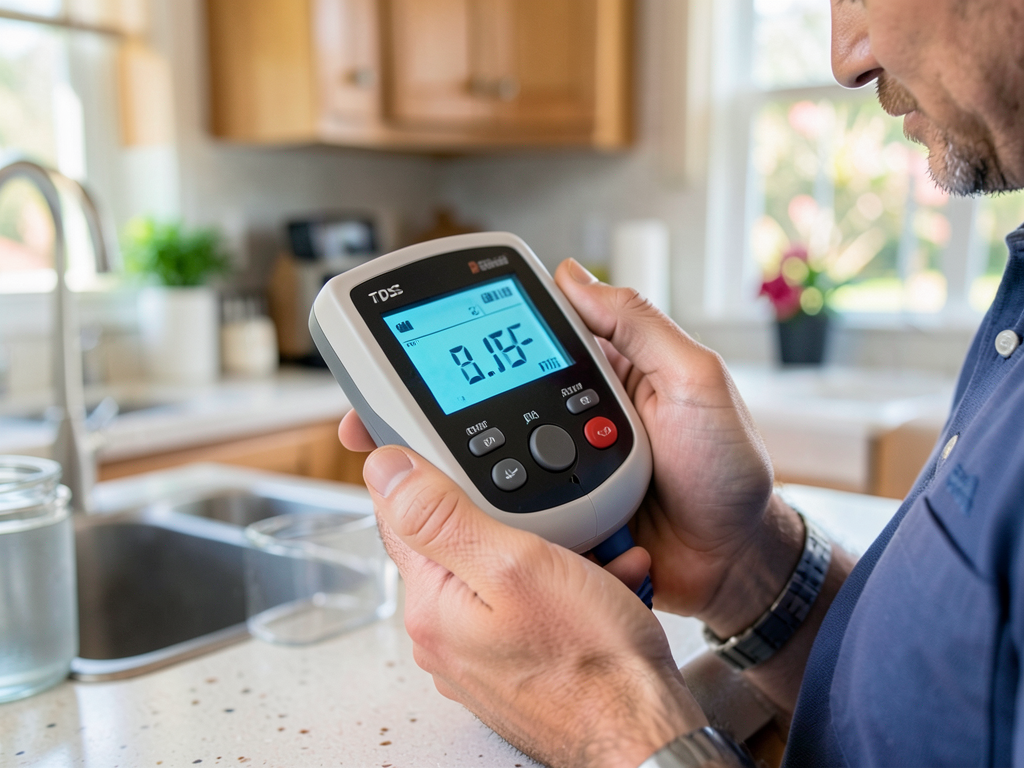
A simple TDS meter can tell you if your water quality has changed. Normal drinking water should read between 50-150 ppm. If your fridge water reads above 300 ppm consistently, you have dissolved solids affecting taste.
Professional water testing can identify specific compounds causing taste issues. This is especially important if you notice the problem varies seasonally or after heavy rainfall when water treatment levels change.
Installation Considerations
Adding a whole home filtration system requires understanding your home’s plumbing layout. Most Azalea Park homes have accessible main water lines in garages or utility closets, making installation straightforward. Why Old Maitland Homes Often Need Complete Copper Repiping.
Reverse osmosis systems need a drain connection and space under the sink. If your kitchen layout is tight, a whole home system might be more practical than multiple point-of-use filters.
Cost vs. Benefit Analysis
Consider how much you spend on bottled water. If a family of four buys two cases of water weekly at $5 each, that’s $520 annually. A $1,500 whole home system pays for itself in three years while providing better water quality throughout your home.
Beyond cost, think about convenience. No more hauling water bottles, no more storage space needed, and no more plastic waste. The taste improvement alone often justifies the investment for many homeowners.
Local Water Quality Factors
Azalea Park’s water comes from the Floridan Aquifer, which naturally contains minerals that affect taste. The municipal treatment process adds chloramine to ensure safety, but this creates the taste issues many residents notice.
Local water pressure variations can also affect how water sits in your refrigerator’s lines. Areas with older infrastructure might experience pressure drops that allow water to stagnate, concentrating tastes.
Maintenance Schedule
Regardless of which solution you choose, establish a maintenance schedule. Filters need regular replacement, and whole home systems require periodic media changes. Mark your calendar for every six months to check your system.
Professional maintenance once yearly ensures your system continues removing chemicals effectively. This prevents the gradual decline in water quality that many homeowners don’t notice until the taste becomes obvious.
Environmental Impact
Reducing bottled water consumption has significant environmental benefits. A typical family eliminates 100+ plastic bottles monthly by switching to filtered water. This reduces plastic waste and the carbon footprint of water transportation.
Modern filtration systems are also more water-efficient than older models. New systems waste less water during the filtration process, making them environmentally responsible choices.
Health Considerations
While chloramine is considered safe by EPA standards, some people are more sensitive to its taste and odor. Children and elderly individuals often notice water quality issues more acutely. EPA information on chloramines in drinking water.
People with certain medical conditions or compromised immune systems may benefit from additional filtration beyond what municipalities provide. Always consult healthcare providers about specific water quality needs.
Choosing the Right Solution
Your choice depends on your budget, home layout, and taste sensitivity. If you only notice the issue in your drinking water, a refrigerator filter upgrade might suffice. If you want better water throughout your home, consider whole home filtration.
Factor in your long-term plans for the home. If you’re planning to stay more than five years, a more comprehensive system often makes financial sense.
Installation Timeline
Most water filtration installations take 2-4 hours for simple upgrades and 4-8 hours for whole home systems. Professional plumbers can typically complete the work in a single day with minimal disruption to your household.
Plan for a brief water shutdown during installation, usually less than an hour for most systems. Professional installers coordinate this to minimize inconvenience.
Common Mistakes to Avoid
Don’t buy the cheapest filter available. Many bargain filters use inferior carbon that doesn’t effectively remove chloramine. Look for NSF certification and read specifications carefully.
Don’t ignore maintenance schedules. A neglected filter becomes less effective over time and can actually worsen water quality by becoming a breeding ground for bacteria.
Future-Proofing Your Investment
Water treatment standards continue to evolve. Choose systems with upgradeable components so you can adapt to changing water quality requirements without replacing entire systems.
Consider systems with monitoring capabilities that alert you when filters need replacement or when water quality changes unexpectedly.
Call to Action
Stop drinking water that tastes like a swimming pool. Call (239) 467-5554 today to schedule your free water quality assessment. We’ll test your water, identify the specific compounds affecting taste, and recommend the right solution for your home and budget.
Pick up the phone and call (239) 467-5554 before your next glass of water. Your taste buds will thank you, and you’ll never buy another case of bottled water again.
Frequently Asked Questions
Why does my fridge water taste worse than tap water?
Fridge water often tastes worse because it sits in plastic lines and reservoirs where tastes concentrate. The small volume in your refrigerator’s system means any contamination or chemical presence becomes more noticeable than in the larger municipal supply.
How often should I replace my refrigerator water filter?
Replace your refrigerator water filter every six months minimum, even if the indicator light hasn’t come on. Orlando’s water chemistry means filters work harder here than in other areas, and waiting until the light comes on means you’ve been drinking subpar water for weeks.
Is chloramine harmful to drink?
Chloramine is considered safe by EPA standards at the levels used in municipal water treatment. However, it can cause taste and odor issues, and some people with sensitive skin or respiratory conditions may experience irritation. The main issue is taste, not safety.
Can I install a water filtration system myself?
While DIY installation is possible for simple under-sink filters, whole home systems require plumbing expertise to ensure proper installation and warranty coverage. Incorrect installation can lead to leaks, reduced water pressure, or system failure. Professional installation ensures optimal performance and protects your investment. Plumbing Clermont.
{
“@context”: “https://schema.org”,
“@type”: “BlogPosting”,
“headline”: “Why Your Refrigerator Water Tastes Like Chlorine in Azalea Park”,
“description”: “Is your fridge water tasting like a swimming pool? Learn why Orlando’s municipal chloramine treatment is overwhelming your filter and what to do about it.”,
“wordCount”: 1676,
“datePublished”: “2026-05-31T08:23:00.000Z”,
“dateModified”: “2026-05-31T08:23:00.000Z”,
“inLanguage”: “en-US”,
“mainEntityOfPage”: {
“@type”: “WebPage”,
“@id”: “https://grandplumbingorlando.com”
},
“publisher”: {
“@type”: “LocalBusiness”,
“name”: “Grand Plumbing Orlando”,
“url”: “https://grandplumbingorlando.com”
},
“author”: {
“@type”: “Organization”,
“name”: “Grand Plumbing Orlando”,
“url”: “https://grandplumbingorlando.com”
},
“image”: {
“@type”: “ImageObject”,
“url”: “https://grandplumbingorlando.com/wp-content/uploads/2026/03/why-your-refrigerator-water-tastes-like-chlorine-i-1.png”
}
}
{
“@context”: “https://schema.org”,
“@type”: “Plumber”,
“name”: “Grand Plumbing Orlando”,
“url”: “https://grandplumbingorlando.com”,
“address”: {
“@type”: “PostalAddress”,
“addressLocality”: “Orlando”
},
“areaServed”: {
“@type”: “City”,
“name”: “Orlando”
}
}
{
“@context”: “https://schema.org”,
“@type”: “FAQPage”,
“mainEntity”: [
{
“@type”: “Question”,
“name”: “Why does my fridge water taste worse than tap water?”,
“acceptedAnswer”: {
“@type”: “Answer”,
“text”: “Fridge water often tastes worse because it sits in plastic lines and reservoirs where tastes concentrate. The small volume in your refrigerator’s system means any contamination or chemical presence becomes more noticeable than in the larger municipal supply.”
}
},
{
“@type”: “Question”,
“name”: “How often should I replace my refrigerator water filter?”,
“acceptedAnswer”: {
“@type”: “Answer”,
“text”: “Replace your refrigerator water filter every six months minimum, even if the indicator light hasn’t come on. Orlando’s water chemistry means filters work harder here than in other areas, and waiting until the light comes on means you’ve been drinking subpar water for weeks.”
}
},
{
“@type”: “Question”,
“name”: “Is chloramine harmful to drink?”,
“acceptedAnswer”: {
“@type”: “Answer”,
“text”: “Chloramine is considered safe by EPA standards at the levels used in municipal water treatment. However, it can cause taste and odor issues, and some people with sensitive skin or respiratory conditions may experience irritation. The main issue is taste, not safety.”
}
},
{
“@type”: “Question”,
“name”: “Can I install a water filtration system myself?”,
“acceptedAnswer”: {
“@type”: “Answer”,
“text”: “While DIY installation is possible for simple under-sink filters, whole home systems require plumbing expertise to ensure proper installation and warranty coverage. Incorrect installation can lead to leaks, reduced water pressure, or system failure. Professional installation ensures optimal performance and protects your investment. Plumbing Clermont.”
}
}
]
}
{
“@context”: “https://schema.org”,
“@type”: “HowTo”,
“name”: “How to Fix Chlorine Taste in Fridge Water”,
“step”: [
{
“@type”: “HowToStep”,
“position”: 1,
“name”: “Replace Your Water Filter”,
“text”: “Most refrigerator filters need replacement every six months. If you can’t remember the last time you changed it, that’s your problem. Use a filter rated for chloramine removal, not just chlorine.”
},
{
“@type”: “HowToStep”,
“position”: 2,
“name”: “Flush the Water Lines”,
“text”: “Run 2-3 gallons of water through your dispenser to flush out any stagnant water sitting in the lines. This removes water that’s been absorbing the plastic taste from tubing.”
},
{
“@type”: “HowToStep”,
“position”: 3,
“name”: “Check the Supply Line”,
“text”: “Plastic supply lines can absorb and concentrate tastes. Replace old plastic lines with copper or stainless steel tubing if your fridge is more than five years old.”
},
{
“@type”: “HowToStep”,
“position”: 4,
“name”: “Clean the Reservoir”,
“text”: “Many refrigerators have a small water reservoir inside. Empty it completely and let fresh water fill it to remove any stagnant, taste-affected water.”
}
],
“image”: “https://grandplumbingorlando.com/wp-content/uploads/2026/03/why-your-refrigerator-water-tastes-like-chlorine-i-1.png”
}
{
“@context”: “https://schema.org”,
“@type”: “BreadcrumbList”,
“itemListElement”: [
{
“@type”: “ListItem”,
“position”: 1,
“name”: “Home”,
“item”: “https://grandplumbingorlando.com”
},
{
“@type”: “ListItem”,
“position”: 2,
“name”: “Blog”,
“item”: “https://grandplumbingorlando.com/blog”
},
{
“@type”: “ListItem”,
“position”: 3,
“name”: “Why Your Refrigerator Water Tastes Like Chlorine in Azalea Park”
}
]
}
{
“@context”: “https://schema.org”,
“@type”: “Service”,
“serviceType”: “Plumbing”,
“provider”: {
“@type”: “LocalBusiness”,
“name”: “Grand Plumbing Orlando”,
“url”: “https://grandplumbingorlando.com”
},
“areaServed”: {
“@type”: “City”,
“name”: “Orlando”
},
“description”: “Is your fridge water tasting like a swimming pool? Learn why Orlando’s municipal chloramine treatment is overwhelming your filter and what to do about it.”
}