
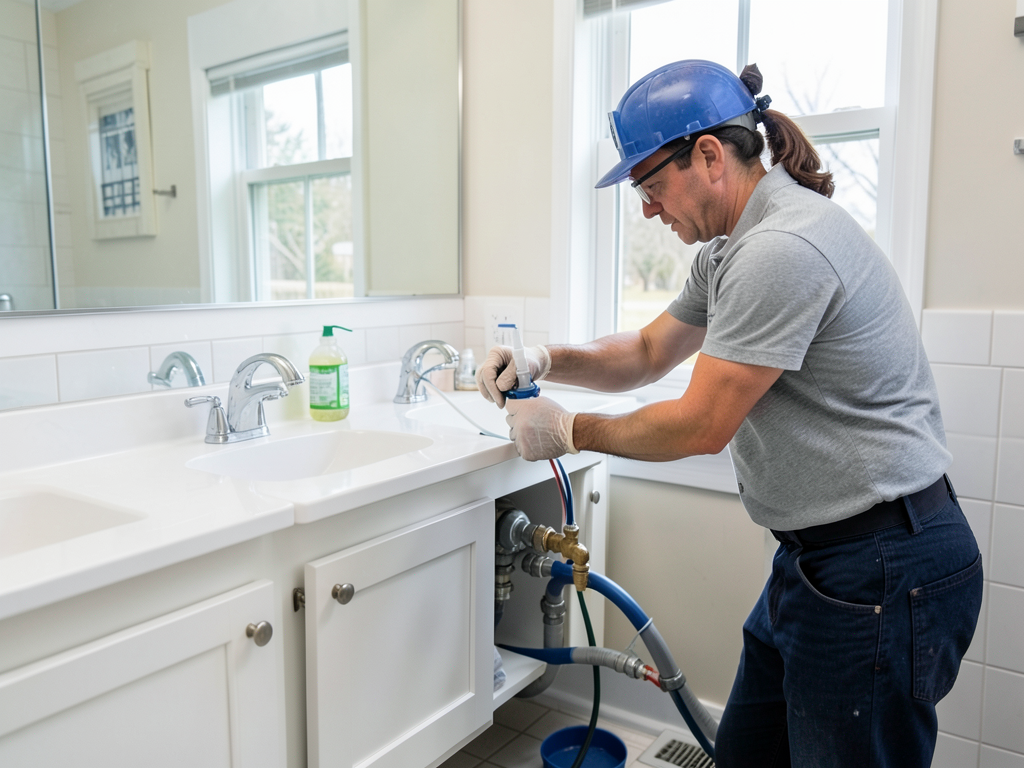
Converting a Single Sink to a Double Vanity in Your Lake Shore Village Home
Adding a second sink to your bathroom can transform a cramped morning routine into a streamlined experience for couples and families in Lake Shore Village. This conversion requires careful planning of plumbing lines, proper venting, and strict adherence to Florida Building Code requirements. Most Lake Shore Village homes built between 1985 and 2005 have single-sink setups with supply lines and drain pipes positioned for one fixture. Expanding to a double vanity means splitting existing water lines and creating a new waste system that meets current code standards. Florida Building Code (Plumbing).
The process involves extending hot and cold supply lines, installing new shut-off valves, and configuring the drain system with proper slope and venting. Orlando’s humid climate and sandy soil conditions can affect pipe connections over time, making professional installation crucial for long-term reliability. Homeowners should expect to work with a licensed master plumber who understands Orange County permit requirements and can coordinate with local inspectors.
Before starting, verify your bathroom has adequate space. Standard double vanities require a minimum of 60 inches in width, with each sink typically spaced 30 inches apart center-to-center. The rough-in height for drain pipes should be between 18 and 20 inches from the floor to accommodate standard P-traps. Supply lines need to be positioned 8 inches from the centerline of each sink, with hot on the left and cold on the right when facing the vanity.
Professional vs. DIY Double Vanity Conversion
Converting a single sink to a double vanity involves complex plumbing modifications that go beyond basic DIY skills. The main challenge lies in properly splitting the existing 1.5-inch drain line to accommodate two sinks while maintaining adequate slope for waste flow. Professional plumbers use sanitary tees and appropriate venting to prevent slow drainage and gurgling sounds that plague amateur installations. Who to Call for a Plumbing Emergency in Winter Park After Hours.
DIY attempts often fail when homeowners underestimate the importance of proper venting. Each sink needs either individual vent lines or connection to a common vent system. Without adequate air flow, water creates vacuum pressure that pulls water from P-traps, allowing sewer gases to enter your home. Orlando’s building inspectors frequently reject DIY conversions that lack proper permits and professional-grade materials. Is a Tankless Water Heater Right for Your Lake Nona Home?.
Professional installation includes pressure testing all new connections, verifying code compliance, and obtaining necessary Orange County permits. The cost difference between DIY and professional work often becomes negligible when factoring in potential water damage from improper connections and the value of your time. Licensed plumbers also carry insurance that protects you from liability if something goes wrong during the conversion.. Read more about Moving Your Water Heater to the Garage to Save Space in Your Ventura Home.
Orlando Plumbing Codes for Double Vanities
The Florida Building Code (Plumbing) Section 402.4 requires all drain lines to maintain a minimum slope of 1/4 inch per foot for proper waste removal. For double vanities, this means the combined drain system must handle twice the water volume of a single sink while maintaining adequate velocity to prevent clogs. Orange County Environmental Protection Division mandates permits for any plumbing modification that alters the existing waste system.
Venting requirements under Florida Building Code Section 903.1 specify that each plumbing fixture must have proper air admittance to prevent trap siphonage. For double vanities, you can use either individual vent pipes for each sink or a common vent system connected to the main stack. The choice affects the complexity of your installation and may influence your vanity selection. Common Toilet Problems in Baldwin Park Townhomes and How We Fix Them.
Water hammer arrestors become essential when adding new fixtures to existing supply lines. The sudden closure of valves in two sinks simultaneously can create pressure surges that damage pipes and fixtures. Florida code requires arrestors on all new branch lines serving multiple fixtures to prevent these damaging pressure waves.. Read more about What to Consider When Adding a Wet Bar to Your Winter Park Den.
Rough-In Dimensions and Technical Requirements
Successful double vanity installation starts with precise measurements and understanding standard rough-in dimensions. The drain centerlines should be positioned 30 inches apart, with each drain pipe extending 18 to 20 inches from the finished floor. This height accommodates standard 16-inch deep vanities while providing adequate space for P-trap connections underneath.
Supply line placement requires careful planning to avoid interference with drawers and cabinet doors. Hot and cold lines should extend 8 inches from the centerline of each sink, with shut-off valves installed 4 inches above the floor. This configuration allows for easy access to water controls while keeping them protected from cabinet contents.
Pipe sizing becomes critical when combining two drains. The main waste line should be at least 2 inches in diameter to handle the combined flow from both sinks. Individual tailpieces can remain 1.5 inches, but they must connect to the main line using appropriate fittings that maintain proper slope and prevent clogs.
Cost Breakdown: What to Expect in Central Florida
Professional double vanity conversion in Lake Shore Village typically ranges from $1,800 to $3,500, depending on the complexity of your existing plumbing setup. Basic conversions with accessible plumbing and no wall modifications fall on the lower end, while installations requiring extensive rerouting or structural changes cost more.
Labor costs account for approximately 60% of the total price, with licensed plumbers charging $85 to $125 per hour in the Orlando area. Materials including new supply lines, shut-off valves, P-traps, and venting components represent the remaining 40%. Additional costs may arise if your existing plumbing requires upgrades to meet current code standards.
Hidden costs often surprise homeowners who underestimate the scope of work. Drywall repair, floor patching, and painting to restore walls after plumbing modifications can add $300 to $800 to your project. If your home has galvanized steel pipes instead of copper or PEX, replacement of old supply lines may be necessary, significantly increasing your investment. EPA WaterSense program.
Step-by-Step Installation Process
The conversion process begins with shutting off water supply and draining existing lines. A licensed plumber will then assess your current setup, measuring existing supply and drain locations to determine the scope of modifications needed. This initial evaluation helps identify potential challenges like cast iron drain pipes or inaccessible wall cavities.
Next, the plumber cuts access holes in walls or floors to reach existing plumbing. New supply lines are run using PEX or copper piping, with shut-off valves installed at each sink location. The drain system requires careful planning to ensure proper slope and venting, often involving the installation of new sanitary tees and vent connections.
Final steps include pressure testing all new connections, installing the vanity and sinks, and connecting all fixtures. The plumber will verify that each sink drains properly without gurgling or slow flow. A final inspection by Orange County ensures your installation meets all code requirements before the project is complete.
Common Mistakes to Avoid
Many homeowners make the mistake of purchasing a double vanity before consulting a plumber. Without proper measurements and understanding of existing plumbing locations, you might select a vanity that doesn’t fit your space or requires extensive modifications. Always have a plumber assess your bathroom first to determine the optimal configuration.
Another common error involves inadequate venting. Some DIYers connect both sinks to a single drain without proper air admittance, leading to slow drainage and unpleasant odors. Professional plumbers understand that proper venting is as important as proper drainage for a functional double vanity system.
Ignoring local building codes can result in failed inspections and costly rework. Orange County requires permits for plumbing modifications, and unpermitted work can cause problems when selling your home. Working with a licensed plumber ensures your installation meets all current standards and passes inspection the first time.
Choosing the Right Vanity for Your Space
Selecting a double vanity involves more than choosing a style you like. Consider the depth of your bathroom and ensure adequate clearance for doors to open fully. Standard vanities are 21 inches deep, but some modern designs extend to 24 inches, which may not work in smaller Lake Shore Village bathrooms. Warning Signs You Might Have a Slab Leak Under Your Orlando Foundation.
Wall-mounted vanities can create the illusion of more space in smaller bathrooms while providing easier access to plumbing for future maintenance. However, they require additional wall reinforcement to support the weight of stone countertops and plumbing fixtures. Freestanding vanities offer more flexibility but take up more floor space.
Consider the height of users when selecting your vanity. Standard height is 32 inches, but comfort height vanities at 36 inches reduce back strain for taller individuals. The height affects plumbing rough-in requirements, so finalize your vanity selection before beginning installation.
Maintenance Tips for Your New Double Vanity
After installation, regular maintenance helps prevent common plumbing issues. Check shut-off valves quarterly by turning them off and on to ensure they remain operable. Stuck valves can become a serious problem during emergencies when you need to quickly stop water flow to a specific sink.
Clean P-traps annually to prevent hair and soap scum buildup that causes slow drainage. Remove the trap, clean it thoroughly, and check for any signs of wear or corrosion. Replace any damaged components before they cause leaks or complete failure.
Monitor water pressure to prevent stress on your new plumbing connections. Orlando’s water system typically maintains 40-60 psi, but pressure spikes can occur. Consider installing a pressure regulator if your home experiences frequent pressure fluctuations that could damage your new fixtures.
Energy and Water Efficiency Considerations
Modern low-flow faucets can reduce water consumption by up to 30% compared to standard fixtures while maintaining adequate water pressure. Look for WaterSense labeled products that meet EPA efficiency standards. These fixtures often pay for themselves through reduced water bills within a few years.
Consider tankless water heaters if your current system struggles to provide hot water to multiple fixtures simultaneously. Tankless units heat water on demand, eliminating the wait for hot water and reducing energy consumption. This upgrade pairs well with double vanities where multiple people may use sinks at the same time.
Insulate hot water supply lines to reduce heat loss and provide faster hot water delivery. This simple addition can save energy and improve the user experience, especially in larger bathrooms where pipes run long distances from the water heater.
Adding Value to Your Lake Shore Village Home
A professionally installed double vanity can increase your home’s resale value by $3,000 to $5,000, making it a worthwhile investment for many homeowners. Real estate agents report that updated bathrooms, particularly master bathrooms with double vanities, rank among the top features buyers seek in Orlando’s competitive market.
The return on investment varies based on your neighborhood and the quality of your installation. In Lake Shore Village, where many homes were built in the 1980s and 1990s, modern bathroom updates can help your home compete with newer constructions in nearby communities. Why Old Maitland Homes Often Need Complete Copper Repiping.
Beyond monetary value, a double vanity improves daily living by reducing morning congestion and providing personal space for couples. This functional improvement often matters more to homeowners than the potential resale value, making the conversion worthwhile even if you don’t plan to sell soon.
Frequently Asked Questions
How long does it take to convert a single sink to a double vanity?
Most professional installations take 2-3 days, including demolition, plumbing modifications, and fixture installation. Additional time may be needed if wall repairs or permit inspections are required.
Can I keep my existing countertop when adding a second sink?
Usually not. Adding a second sink typically requires cutting an additional hole in the countertop, which often damages existing surfaces. Most homeowners opt for a new countertop that accommodates both sinks properly.
Do I need a permit to convert my single sink to a double vanity in Orange County?
Yes, any modification to your home’s plumbing system requires a permit from Orange County. A licensed plumber will typically handle permit acquisition as part of the installation process.
What’s the minimum bathroom size for a double vanity?
You need at least 60 inches of width for a standard double vanity, with additional space for door clearance and movement. Bathrooms smaller than 5×8 feet may not accommodate a double vanity comfortably.
Will a double vanity increase my water bill?
Not necessarily. Modern low-flow fixtures can actually reduce water usage compared to older single faucets. The increase in convenience often outweighs any minimal increase in water consumption.
Can I install a double vanity if my bathroom has a concrete slab foundation?
Yes, but installation may be more complex and costly. Plumbers can either tunnel under the slab to access existing plumbing or create new supply lines through walls and ceilings.
What type of piping is best for double vanity installations?
PEX piping has become the standard for residential plumbing due to its flexibility, resistance to freezing, and ease of installation. Copper remains a good option but costs more and requires more specialized skills to install.
How do I know if my current plumbing can handle a double vanity?
A professional plumber can assess your existing supply lines and drain system to determine if upgrades are needed. Most homes built after 1980 have adequate supply lines, but drain systems may need expansion to handle increased flow.
What’s the difference between a common vent and individual vents for double vanities?
Common vents connect both sinks to a single vent pipe, while individual vents provide separate air admittance for each sink. Common vents are often simpler to install but must be properly sized to handle the combined air flow.
Should I upgrade my water heater when adding a second sink?
If your current water heater struggles to provide adequate hot water for your household, adding a second sink may reveal its limitations. Consider a tankless water heater or a larger capacity tank if you frequently run out of hot water.
Ready to Upgrade Your Bathroom?
Converting a single sink to a double vanity requires expertise in plumbing, building codes, and bathroom design. Our licensed master plumbers have served Lake Shore Village and the greater Orlando area for over 15 years, completing hundreds of successful double vanity installations.
We handle everything from initial assessment and permit acquisition to final inspection and cleanup. Our team understands the unique challenges of Orlando’s building codes and can help you select the perfect vanity configuration for your space and budget.
Don’t risk water damage or code violations with DIY attempts. Call (239) 467-5554 today to schedule your free consultation and take the first step toward a more functional, beautiful bathroom. Our transparent pricing and satisfaction guarantee mean you can proceed with confidence.
Pick up the phone and call (239) 467-5554 before the next morning rush turns your bathroom into a battleground. Let us help you create the organized, efficient space you deserve.
{
“@context”: “https://schema.org”,
“@type”: “BlogPosting”,
“headline”: “Converting a Single Sink to a Double Vanity in Your Lake Shore Village Home”,
“description”: “Expert double vanity plumbing installation in Orlando’s Lake Shore Village. Learn about code requirements, rough-in dimensions, and professional vs DIY options.”,
“wordCount”: 2471,
“datePublished”: “2026-04-30T09:19:00.000Z”,
“dateModified”: “2026-04-30T09:19:00.000Z”,
“inLanguage”: “en-US”,
“mainEntityOfPage”: {
“@type”: “WebPage”,
“@id”: “https://grandplumbingorlando.com”
},
“publisher”: {
“@type”: “LocalBusiness”,
“name”: “Grand Plumbing Orlando”,
“url”: “https://grandplumbingorlando.com”
},
“author”: {
“@type”: “Organization”,
“name”: “Grand Plumbing Orlando”,
“url”: “https://grandplumbingorlando.com”
},
“image”: {
“@type”: “ImageObject”,
“url”: “https://grandplumbingorlando.com/wp-content/uploads/2026/03/converting-a-single-sink-to-a-double-vanity-in-you-1.png”
}
}
{
“@context”: “https://schema.org”,
“@type”: “Plumber”,
“name”: “Grand Plumbing Orlando”,
“url”: “https://grandplumbingorlando.com”,
“address”: {
“@type”: “PostalAddress”,
“addressLocality”: “Orlando”
},
“areaServed”: {
“@type”: “City”,
“name”: “Orlando”
}
}
{
“@context”: “https://schema.org”,
“@type”: “FAQPage”,
“mainEntity”: [
{
“@type”: “Question”,
“name”: “How long does it take to convert a single sink to a double vanity?”,
“acceptedAnswer”: {
“@type”: “Answer”,
“text”: “Most professional installations take 2-3 days, including demolition, plumbing modifications, and fixture installation. Additional time may be needed if wall repairs or permit inspections are required.”
}
},
{
“@type”: “Question”,
“name”: “Can I keep my existing countertop when adding a second sink?”,
“acceptedAnswer”: {
“@type”: “Answer”,
“text”: “Usually not. Adding a second sink typically requires cutting an additional hole in the countertop, which often damages existing surfaces. Most homeowners opt for a new countertop that accommodates both sinks properly.”
}
},
{
“@type”: “Question”,
“name”: “Do I need a permit to convert my single sink to a double vanity in Orange County?”,
“acceptedAnswer”: {
“@type”: “Answer”,
“text”: “Yes, any modification to your home’s plumbing system requires a permit from Orange County. A licensed plumber will typically handle permit acquisition as part of the installation process.”
}
},
{
“@type”: “Question”,
“name”: “What’s the minimum bathroom size for a double vanity?”,
“acceptedAnswer”: {
“@type”: “Answer”,
“text”: “You need at least 60 inches of width for a standard double vanity, with additional space for door clearance and movement. Bathrooms smaller than 5×8 feet may not accommodate a double vanity comfortably.”
}
},
{
“@type”: “Question”,
“name”: “Will a double vanity increase my water bill?”,
“acceptedAnswer”: {
“@type”: “Answer”,
“text”: “Not necessarily. Modern low-flow fixtures can actually reduce water usage compared to older single faucets. The increase in convenience often outweighs any minimal increase in water consumption.”
}
},
{
“@type”: “Question”,
“name”: “Can I install a double vanity if my bathroom has a concrete slab foundation?”,
“acceptedAnswer”: {
“@type”: “Answer”,
“text”: “Yes, but installation may be more complex and costly. Plumbers can either tunnel under the slab to access existing plumbing or create new supply lines through walls and ceilings.”
}
},
{
“@type”: “Question”,
“name”: “What type of piping is best for double vanity installations?”,
“acceptedAnswer”: {
“@type”: “Answer”,
“text”: “PEX piping has become the standard for residential plumbing due to its flexibility, resistance to freezing, and ease of installation. Copper remains a good option but costs more and requires more specialized skills to install.”
}
},
{
“@type”: “Question”,
“name”: “What’s the difference between a common vent and individual vents for double vanities?”,
“acceptedAnswer”: {
“@type”: “Answer”,
“text”: “Common vents connect both sinks to a single vent pipe, while individual vents provide separate air admittance for each sink. Common vents are often simpler to install but must be properly sized to handle the combined air flow.”
}
},
{
“@type”: “Question”,
“name”: “Should I upgrade my water heater when adding a second sink?”,
“acceptedAnswer”: {
“@type”: “Answer”,
“text”: “If your current water heater struggles to provide adequate hot water for your household, adding a second sink may reveal its limitations. Consider a tankless water heater or a larger capacity tank if you frequently run out of hot water.”
}
},
{
“@type”: “Question”,
“name”: “Ready to Upgrade Your Bathroom?”,
“acceptedAnswer”: {
“@type”: “Answer”,
“text”: “Converting a single sink to a double vanity requires expertise in plumbing, building codes, and bathroom design. Our licensed master plumbers have served Lake Shore Village and the greater Orlando area for over 15 years, completing hundreds of successful double vanity installations.”
}
}
]
}
{
“@context”: “https://schema.org”,
“@type”: “BreadcrumbList”,
“itemListElement”: [
{
“@type”: “ListItem”,
“position”: 1,
“name”: “Home”,
“item”: “https://grandplumbingorlando.com”
},
{
“@type”: “ListItem”,
“position”: 2,
“name”: “Blog”,
“item”: “https://grandplumbingorlando.com/blog”
},
{
“@type”: “ListItem”,
“position”: 3,
“name”: “Converting a Single Sink to a Double Vanity in Your Lake Shore Village Home”
}
]
}
{
“@context”: “https://schema.org”,
“@type”: “Service”,
“serviceType”: “Plumbing”,
“provider”: {
“@type”: “LocalBusiness”,
“name”: “Grand Plumbing Orlando”,
“url”: “https://grandplumbingorlando.com”
},
“areaServed”: {
“@type”: “City”,
“name”: “Orlando”
},
“description”: “Expert double vanity plumbing installation in Orlando’s Lake Shore Village. Learn about code requirements, rough-in dimensions, and professional vs DIY options.”
}