
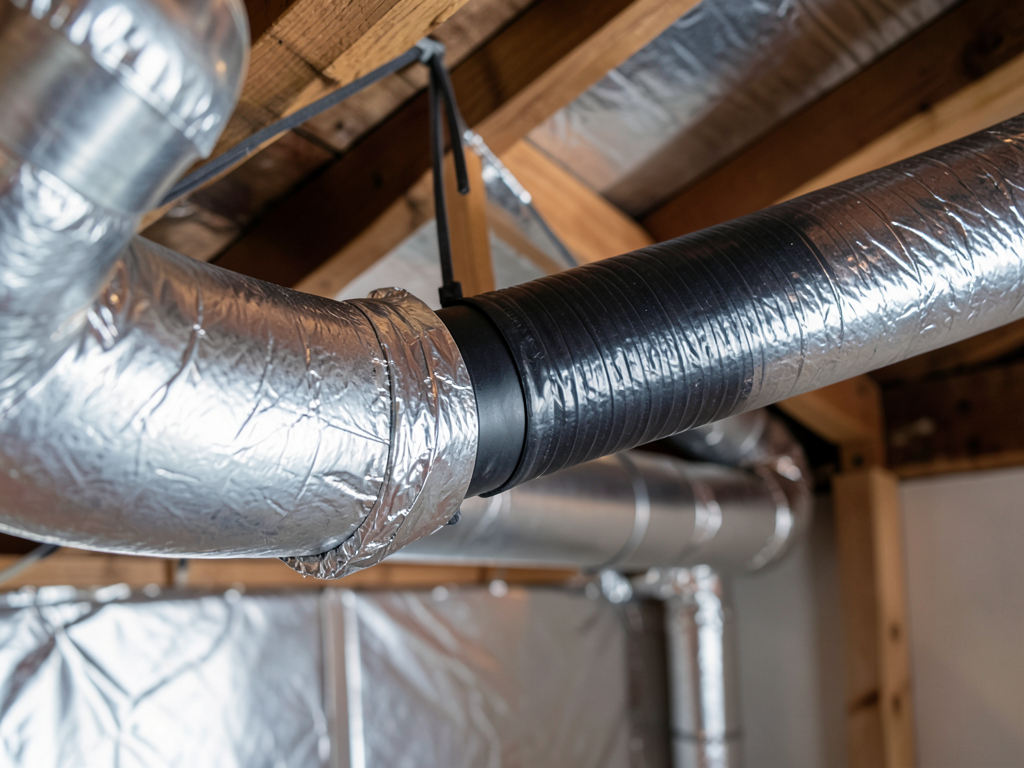
Finding the Best Pipe Insulation to Stop Attics From Sweating in the Orlando Heat
Orlando’s extreme attic temperatures cause cold water pipes to sweat. When 50-degree water lines sit in 130-degree attics with 70% humidity, condensation forms rapidly. This moisture drips onto insulation and drywall causing water damage mold growth and costly repairs. Is a Tankless Water Heater Right for Your Lake Nona Home?.
The Florida Building Code requires specific insulation for attic pipes. Section 502.3.3 mandates R-4 minimum insulation for cold water pipes in unconditioned spaces where condensation control matters. Florida Building Code.
Why Orlando Attics Need Special Insulation
Summer attic temperatures in Orlando reach 130-140 degrees Fahrenheit. When cold water pipes at 50-60 degrees contact this superheated air condensation forms immediately. The dew point in Orlando’s 70%+ humidity means moisture appears quickly and continuously.
Common problems from uninsulated attic pipes include: Common Toilet Problems in Baldwin Park Townhomes and How We Fix Them.
- Water stains on ceiling drywall below pipe runs
- Mold growth on insulation and wood framing
- Deteriorating ceiling texture and paint
- Reduced cold water temperature by the time it reaches fixtures
Orlando’s unique climate demands insulation that resists heat gain prevents condensation and withstands extreme temperature swings.
Top 3 Insulation Materials for Orlando Homes
Not all pipe insulation performs equally in Orlando’s extreme attic conditions. Here are the three materials that provide the best protection against heat gain and condensation.
| Material | R-Value per Inch | Moisture Resistance | Cost per Foot |
|---|---|---|---|
| Elastomeric Rubber (Armaflex) | 4.0 | Excellent – closed cell | $2.50-$4.00 |
| Polyethylene Foam | 3.0 | Good – closed cell | $1.50-$2.50 |
| Fiberglass with Vapor Barrier | 3.0-4.0 | Poor – requires perfect sealing | $1.00-$1.50 |
Elastomeric rubber foam provides the best overall performance for Orlando attics. The closed-cell structure prevents moisture absorption while the material’s flexibility allows it to conform to pipe fittings and create tight seals. Armaflex and similar brands include a built-in vapor barrier that blocks moisture migration.
Polyethylene foam offers good protection at a lower cost. The material resists moisture but has a lower R-value than elastomeric rubber. It works well for straight pipe runs but can be challenging to seal around fittings.
Fiberglass with vapor barrier requires perfect installation to prevent condensation issues. Any gap in the vapor barrier allows moisture to reach the fiberglass where it gets trapped and creates mold problems. This material is not recommended for Orlando attics due to installation complexity.
R-Value Requirements for Central Florida
Orlando’s extreme attic temperatures require higher insulation values than northern climates. While R-4 meets minimum code requirements R-6 provides significantly better heat gain prevention.
The heat transfer equation shows why thicker insulation matters:
Q = U × A × ΔT
Where:
– Q = Heat transfer rate
– U = Overall heat transfer coefficient
– A = Surface area
– ΔT = Temperature difference
In Orlando attics ΔT can exceed 80 degrees. Doubling the R-value from 4 to 6 reduces heat transfer by 33% keeping cold water colder and preventing condensation.
For optimal performance in Orlando’s climate use:
- R-6 elastomeric rubber for critical cold water lines
- R-4 polyethylene foam for less critical runs
- UV-resistant materials for pipes near attic vents or skylights
Step-by-Step Selection Criteria
Choosing the right insulation involves evaluating several factors specific to your home’s plumbing system and attic conditions. Who to Call for a Plumbing Emergency in Winter Park After Hours.
- Identify Pipe Material
Determine if pipes are copper PEX or CPVC. PEX expands more than copper requiring flexible insulation that moves with the pipe. Use elastomeric rubber for PEX to prevent stress at fittings.
- Measure Pipe Diameter
Common residential pipe sizes are 1/2″ 3/4″ and 1″. Insulation must fit snugly without gaps. Oversized insulation creates air pockets that reduce effectiveness.
- Assess Attic Conditions
Check for existing insulation ventilation and potential rodent access. Homes in Windermere and Doctor Phillips often have spray foam insulation that affects pipe placement and insulation choices. Why Old Maitland Homes Often Need Complete Copper Repiping.
- Calculate Run Length
Measure total linear feet of pipe needing insulation. Longer runs may benefit from higher R-value materials despite increased cost.
- Consider UV Exposure
Pipes near skylights or roof vents require UV-resistant materials. Standard polyethylene degrades under UV exposure within 2-3 years.
Professional vs. DIY: Attic Safety Hazards
Orlando attics present serious safety hazards that make professional installation worth considering. The extreme heat creates dangerous working conditions while limited visibility and awkward positioning increase injury risks.
Professional installation advantages include:
- Proper vapor barrier sealing techniques
- Fire-rated materials for compliance with building codes
- Complete coverage without gaps or compression
- Warranty protection for workmanship
DIY installation risks include:
- Heat exhaustion from 130+ degree temperatures
- Stepping through ceiling drywall from improper footing
- Electrical shock from exposed wiring
- Voiding insurance coverage if fire-rated materials aren’t used
The National Fire Protection Association requires fire-rated materials for all exposed plumbing in attics. Standard foam insulation must be covered with 15-minute thermal barrier material when installed in accessible attic spaces.
Installation Best Practices for Orlando Attics
Proper installation techniques prevent the most common failure points in pipe insulation systems. The key is creating continuous protection from the water meter to the fixture.
Critical installation steps:
- Clean pipe surfaces thoroughly before installation
- Seal all joints and fittings with contact cement
- Overlap insulation seams by at least 1/2 inch
- Secure insulation with appropriate tape or zip ties
- Test for air gaps using a smoke pencil or incense stick
Common failure points to avoid:
- Gaps at elbows and T-fittings
- Compression from walking on pipes
- Separation at expansion joints
- UV degradation from skylight exposure
For PEX piping common in newer Orlando homes allow for expansion and contraction. PEX can expand up to 0.1 inch per 10 feet with temperature changes requiring flexible insulation and proper fitting allowances.
Energy Bill Impact for Electric Water Heaters
Uninsulated cold water pipes in attics force electric water heaters to work harder. When cold water enters the tank at 80 degrees instead of 50 degrees the heater must add 30 degrees of heat to reach the set point.
This temperature increase adds approximately $50-100 annually to electric bills for average Orlando households. The Department of Energy estimates that insulating cold water pipes can reduce water heating costs by 3-4%. Department of Energy.
For homes in Celebration and Lake Nona with tankless water heaters the impact is even greater. These systems measure incoming water temperature and adjust heating output accordingly. Warmer incoming water means the system must fire at higher BTU rates to achieve desired temperatures.
Rodent-Resistant Insulation Types
Orlando’s roof rats and squirrels frequently nest in attic insulation. Standard foam materials provide perfect nesting material for these pests.
Rodent-resistant options include:
- Copper mesh-wrapped insulation
- Borate-treated foam products
- Metal-clad insulation jackets
- Integrated pest deterrent additives
Borate treatment adds minimal cost but provides long-term protection against nesting. The treatment is non-toxic to humans but creates an unpleasant environment for rodents.
Copper mesh wrapping costs more but provides physical barriers that rodents cannot penetrate. This method works best for critical pipe runs near known entry points.
Florida Building Code Compliance
The Florida Building Code Energy Conservation requirements for pipe insulation exceed national standards due to the state’s extreme climate conditions.
Section 502.3.3 requires:
- R-4 minimum for cold water pipes in unconditioned spaces
- Continuous insulation without gaps
- Fire-rated materials in accessible attic spaces
- UV-resistant materials for exposed applications
Orange County adds local amendments requiring:
- Class A fire rating for all attic insulation
- Documentation of material specifications
- Third-party testing for thermal performance claims
Non-compliance can result in failed inspections mandatory removal and replacement and potential insurance claim denials for water damage.
Cost Comparison: Professional vs. DIY Materials
Material costs vary significantly based on quality and quantity. Professional installation includes labor tools and warranty that DIY cannot match.
| Item | DIY Cost per Foot | Professional Cost per Foot |
|---|---|---|
| Elastomeric Rubber (R-6) | $2.75 | $6.50 |
| Polyethylene Foam (R-4) | $1.75 | $4.25 |
| Installation Tools | $45-75 | Included |
| Warranty | None | 5-10 years |
Professional installation typically costs 2.5-3 times more than materials alone but includes benefits that justify the premium:
- Proper vapor barrier installation
- Fire code compliance verification
- Complete coverage guarantee
- Insurance protection
For a typical Orlando home with 100 linear feet of attic piping DIY materials cost $175-275 while professional installation runs $650-750.
Maintenance and Inspection Guidelines
Even quality insulation requires periodic inspection to maintain effectiveness. Orlando’s climate accelerates material degradation through UV exposure and temperature cycling.
Annual inspection checklist:
- Check for compression damage from attic foot traffic
- Inspect vapor barrier integrity at seams
- Look for rodent nesting signs
- Verify UV protection on exposed areas
- Test insulation R-value with thermal imaging if available
Insulation typically needs replacement every 10-15 years in Orlando attics. Signs replacement is needed: Warning Signs You Might Have a Slab Leak Under Your Orlando Foundation.
- Visible cracks or gaps in insulation
- Condensation forming on pipe surfaces
- Increased water heating costs
- Rodent damage or nesting
Professional thermal imaging can identify insulation failures before visible damage occurs. This technology shows temperature differentials that indicate compromised insulation.
Frequently Asked Questions
Does pipe insulation prevent pipes from freezing in Orlando?
Pipe insulation primarily prevents condensation in Orlando’s climate. While it provides minimal freeze protection Orlando’s rare freezing temperatures rarely require freeze prevention measures.
How much does pipe insulation reduce water temperature?
Quality R-6 insulation can reduce attic heat gain by 70-80%. This means water entering your home at 80 degrees might arrive at 55-60 degrees instead significantly improving comfort and reducing water heating costs.
Can I install pipe insulation over existing insulation?
Never install new insulation over damaged or moldy existing insulation. Remove compromised materials first to prevent moisture trapping and ensure proper adhesion of new insulation.
What pipe sizes need insulation in attics?
All cold water pipes in unconditioned attic spaces need insulation. Hot water pipes benefit from insulation too but condensation control is the primary concern for cold lines in Orlando’s humid climate.
How long does pipe insulation last in Orlando attics?
Quality elastomeric rubber insulation lasts 15-20 years in Orlando attics. Polyethylene foam typically needs replacement after 10-12 years due to UV degradation and material breakdown from extreme temperature cycling.
Condensation on attic pipes causes thousands of dollars in ceiling damage each year in Orlando homes. The right insulation material proper installation and regular maintenance prevent these costly problems. Whether you choose DIY or professional installation investing in quality pipe insulation pays for itself through prevented damage and reduced energy costs.
Call (239) 467-5554 today to schedule your attic pipe inspection before the next summer heat wave hits. Our licensed plumbers will identify condensation risks and recommend the best insulation solutions for your specific home and budget.
Don’t wait for water stains to appear on your ceiling. Pick up the phone and call (239) 467-5554 now to protect your home from Orlando’s extreme attic conditions.