
French Drains vs Catch Basins (Solving Backyard Water Pooling in Casselberry)
Water pooling in your Casselberry backyard after a summer storm is more than just a nuisance. It threatens your home’s foundation, kills grass, and creates mosquito breeding grounds. The question isn’t whether you need drainage—it’s which system actually solves your specific problem. French drains handle groundwater and subsurface saturation while catch basins clear surface water from low spots. Choosing wrong means wasted money and ongoing flooding. Is a Tankless Water Heater Right for Your Lake Nona Home?.
Casselberry’s flat terrain combined with Central Florida’s intense rainfall patterns creates unique drainage challenges. Sandy soil drains quickly until it reaches clay layers where water collects. Then the real problems begin. Understanding how each system works in this environment determines whether your yard stays dry or stays underwater. Florida Building Code Section 553.73.
How French Drains Work in Orlando’s Sandy Soil
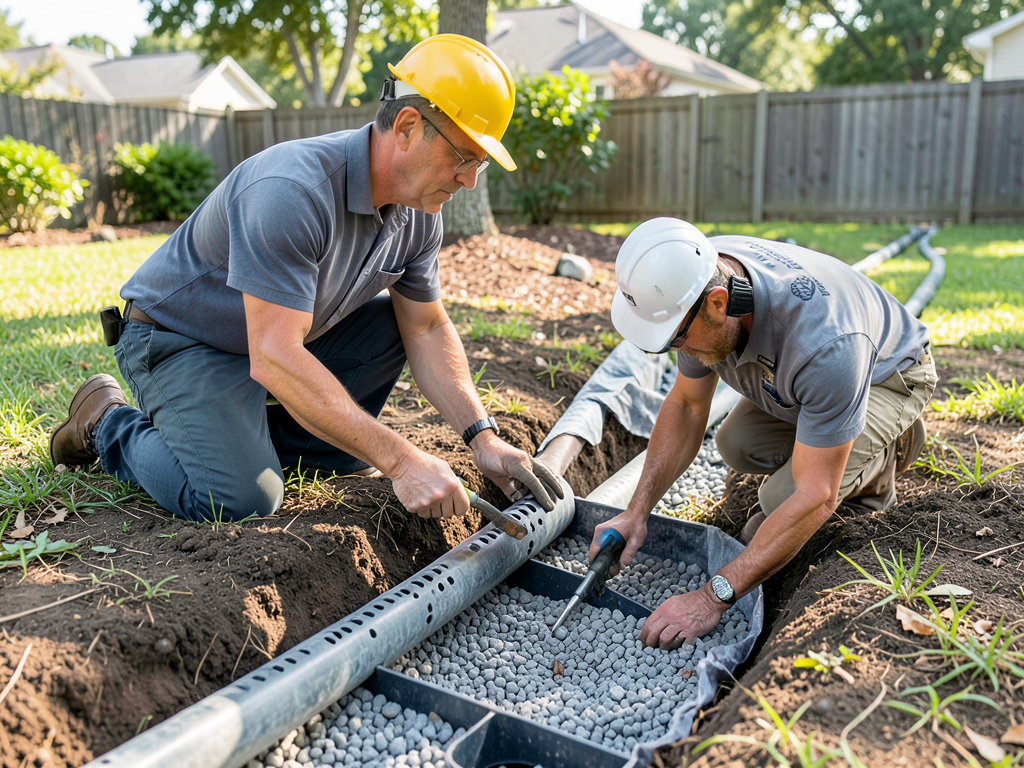
French drains function as underground water highways. Perforated PVC pipes buried in gravel trenches collect water that saturates soil around your foundation. Water enters through pipe holes, travels through the gravel bed, and exits at a discharge point. The system works below ground level, intercepting water before it reaches your home’s foundation.
Orlando’s sandy soil affects French drain performance significantly. Sand particles allow water to move freely until hitting clay layers common in Casselberry. When water hits clay, it spreads laterally until finding the French drain trench. The gravel backfill around the pipe creates a preferential flow path, pulling water from surrounding soil. Common Toilet Problems in Baldwin Park Townhomes and How We Fix Them.
Installation requires digging trenches at least 18 inches deep and 12 inches wide. Perforated pipes need solid caps at uphill ends and pop-up emitters or daylight outlets at discharge points. Filter fabric wrapping prevents soil from clogging pipe holes while allowing water flow. Without proper installation depth, French drains fail when water table rises above pipe level.
French drains excel at solving foundation dampness, basement seepage, and hillside groundwater issues. They prevent hydrostatic pressure from pushing water through foundation walls. However, they don’t address surface puddles or low spots where water visibly collects after rain.
Catch Basins for Surface Water Management
Catch basins collect and redirect surface water through grated inlets connected to solid drain pipes. Water flows across your yard into the basin, drops through the grate, and exits through an underground pipe to a safe discharge location. The system works at ground level, clearing puddles and low spots quickly.
Orlando’s afternoon thunderstorms dump inches of rain in minutes. Catch basins handle this sudden surface runoff better than French drains. The grated inlet allows immediate water entry while the underground pipe moves it away from problem areas. Sumps inside catch basins trap sediment before it enters pipes.
Installation involves excavating a hole, placing a pre-cast concrete or plastic basin, connecting inlet and outlet pipes, and covering with soil and sod. Grates come in various sizes and load ratings. Residential yards typically use 12-inch square basins with 6-inch inlet pipes. Commercial applications might use 24-inch square basins with multiple inlets.
Catch basins solve standing water in low spots, driveway flooding, and patio drainage issues. They work best where water visibly pools after rain. However, they don’t address groundwater problems or prevent foundation dampness from below.
Side-by-Side Comparison: Which System Fits Your Casselberry Yard?
| Feature | French Drain | Catch Basin |
|---|---|---|
| Water Type Managed | Groundwater and subsurface saturation | Surface runoff and visible pooling |
| Installation Depth | 18-24 inches underground | Surface level with underground outlet |
| Best For | Foundation protection, hillside drainage | Low spots, driveway flooding, patio drainage |
| Maintenance Needs | Flush pipes every 2-3 years, check for clogs | Clean grates monthly, remove sediment |
| Cost Range (Orlando) | $20-30 per linear foot installed | $500-1,200 per basin installed |
| Lifespan | 15-25 years with proper maintenance | 10-15 years before grate replacement |
Orlando’s Unique Drainage Challenges
Casselberry sits in a region where the water table fluctuates seasonally. Summer rains can raise groundwater levels within inches of the surface. This creates conditions where both French drains and catch basins might be necessary. Sandy soil drains quickly until hitting clay lenses where water accumulates.
Florida Building Code Section 553.73 requires proper drainage away from foundations. Water must discharge at least 5 feet from structures and not create erosion or flooding on adjacent properties. Orange County Environmental Protection Division oversees drainage permitting for systems connecting to municipal storm sewers. Orange County Stormwater Management.
Afternoon thunderstorms common in Casselberry dump 2-3 inches of rain in under an hour. This overwhelms systems designed for gradual rainfall. Catch basins must handle these peak flows or water backs up into yards. French drains need sufficient slope to move water during these intense events.
Root intrusion poses another challenge. Oak trees common in Casselberry send roots toward moisture sources. French drain pipes and catch basin outlets become targets. Root barriers and proper pipe materials help prevent system failure from vegetation.
Cost Analysis for Casselberry Properties
French drain installation costs depend on linear footage and soil conditions. Sandy soil excavation proceeds quickly but may require deeper trenches if clay layers exist. Typical residential French drains range from 50-150 linear feet. Labor plus materials runs $20-30 per foot in the Orlando market.
Catch basin costs vary by size and installation complexity. A standard 12-inch residential basin with 6-inch outlet pipe costs $500-800 installed. Larger commercial basins with multiple inlets reach $1,200-1,500. Grates need periodic replacement at $50-150 each.
Both systems may require permits depending on discharge methods. Connecting to municipal storm systems needs Orange County approval. Discharging onto adjacent properties requires neighbor consent and proper engineering. Permit fees range $150-400 depending on project scope.
DIY installation saves labor costs but risks improper slope, inadequate pipe sizing, or code violations. Professional installation includes warranty coverage and ensures compliance with local regulations. The cost difference often pays for itself through system longevity and performance.
When You Need Both Systems
Many Casselberry properties benefit from hybrid drainage solutions. A French drain along the foundation prevents groundwater intrusion while catch basins in low spots clear surface water. This combination addresses both subsurface and surface water issues comprehensively.
Properties with swimming pools present unique challenges. Pool decks require catch basins to handle splash-out and deck washing. Meanwhile, French drains protect the pool shell from groundwater pressure. The two systems work independently but complement each other.
Hillside properties in Casselberry often need French drains uphill to intercept groundwater before it reaches flat areas. Catch basins then handle water that makes it past the French drain system. This staged approach manages water at multiple levels.
Commercial properties frequently combine both systems. Parking lots need catch basins for surface runoff while French drains protect building foundations. Restaurants with outdoor dining areas require both systems to keep patios dry and foundations protected.
Maintenance Requirements for Florida Conditions
Florida’s year-round growing season means roots never stop seeking moisture. French drain pipes need annual inspection for root intrusion. Catch basin grates clog with oak leaves, pine needles, and other debris common in Casselberry. Monthly cleaning prevents overflow during storms.
Sediment accumulates in catch basin sumps over time. Every 2-3 years, basins need complete cleaning to restore capacity. French drains accumulate sediment in pipes, reducing flow capacity. High-pressure flushing restores full function but may require professional equipment.
Storm damage affects both systems. Heavy rains wash debris into pipes. Tree roots grow into joints during wet seasons. Regular inspection after major storms identifies damage before system failure occurs.
Winter months bring different challenges. Cooler temperatures reduce bacterial activity in sumps, allowing sediment to accumulate faster. French drain pipes may develop minor clogs that become major problems when spring rains arrive.
Professional Installation vs DIY Considerations
DIY French drain installation seems straightforward but contains hidden complexities. Proper slope calculation requires surveying equipment. Pipe sizing depends on expected flow rates and soil percolation tests. Without these, systems underperform or fail completely.
Catch basin installation appears simpler but involves critical decisions. Grate selection must match expected loads. Pipe connections require watertight seals. Basin placement affects both function and aesthetics. Mistakes become expensive when water flows to wrong locations.
Professional installation includes site evaluation, soil testing, and engineering calculations. Contractors know local codes, obtain permits, and warranty their work. They also have equipment for proper compaction and grading that DIYers lack.
Time savings represent another factor. Professional crews install complete systems in days while DIY projects stretch into weeks or months. Meanwhile, your yard remains torn up and vulnerable to the next storm.
Making the Right Choice for Your Property
Start with observation. Where does water collect after rain? How long does it stay? Does your foundation show dampness or efflorescence? These symptoms guide system selection. Surface pooling indicates catch basins while foundation dampness suggests French drains.
Consider your property’s specific conditions. Flat yards with no obvious low spots often need French drains for groundwater control. Yards with visible depressions or poor grading benefit from catch basins. Many properties need both systems working together.
Budget constraints affect choices but shouldn’t drive decisions. Installing the wrong system costs more long-term through property damage and rework expenses. Professional evaluation identifies the most cost-effective solution for your specific conditions.
Future plans matter too. Adding a pool, patio, or outdoor kitchen changes drainage needs. Planning systems with future improvements in mind prevents costly modifications later.
Frequently Asked Questions
Can I install a French drain myself to save money?
DIY installation saves labor costs but risks improper slope, inadequate pipe sizing, or code violations. Without proper equipment and knowledge, systems often underperform or fail completely. Professional installation includes warranty coverage and ensures compliance with local regulations.
How long do drainage systems last in Florida’s climate?
French drains typically last 15-25 years with proper maintenance. Catch basins last 10-15 years before grate replacement becomes necessary. Both systems require regular cleaning and inspection to achieve maximum lifespan. Florida’s year-round growing season means roots never stop seeking moisture, requiring annual maintenance.
Do I need permits for drainage work in Casselberry?
Permit requirements depend on discharge methods. Connecting to municipal storm systems needs Orange County approval. Discharging onto adjacent properties requires neighbor consent and proper engineering. Most residential drainage projects under 100 linear feet don’t require permits unless connecting to public systems.
Which system works better for pool areas?
Pool areas need both systems. Catch basins handle surface water from splash-out and deck washing. French drains protect the pool shell from groundwater pressure. This combination keeps pool areas dry and prevents structural damage from hydrostatic pressure.
How much does professional drainage installation cost?
French drain installation costs $20-30 per linear foot in Orlando. Catch basin installation runs $500-1,200 per unit depending on size. Total project costs depend on yard size, soil conditions, and complexity. Professional evaluation identifies the most cost-effective solution for your specific conditions.
Take Action Before the Next Storm
Standing water in your Casselberry yard isn’t just unsightly—it’s actively damaging your property. Foundation cracks widen, grass dies, and mosquitoes breed in the standing water. Every day you wait increases repair costs and property damage. Plumbing Repair Cost Guide 2026.
Professional drainage evaluation identifies the exact system your property needs. We assess soil conditions, water patterns, and property layout to recommend the most effective solution. Whether you need French drains, catch basins, or both, we design systems that work with Florida’s unique conditions.
Call (239) 467-5554 today to schedule your free drainage inspection. Our team evaluates your property, explains your options clearly, and provides upfront pricing with no hidden fees. Don’t let another storm flood your yard—take control of your drainage problems now.
Pick up the phone and call (239) 467-5554 before the next afternoon thunderstorm turns your backyard into a swamp. Your foundation, your lawn, and your peace of mind are worth protecting.
{
“@context”: “https://schema.org”,
“@type”: “BlogPosting”,
“headline”: “French Drains vs Catch Basins (Solving Backyard Water Pooling in Casselberry)”,
“description”: “Compare French drains and catch basins for Orlando backyard drainage. Learn which system solves Casselberry water pooling problems based on soil, slope, and rainfall.”,
“wordCount”: 1956,
“datePublished”: “2026-06-07T10:36:00.000Z”,
“dateModified”: “2026-06-07T10:36:00.000Z”,
“inLanguage”: “en-US”,
“mainEntityOfPage”: {
“@type”: “WebPage”,
“@id”: “https://grandplumbingorlando.com”
},
“publisher”: {
“@type”: “LocalBusiness”,
“name”: “Grand Plumbing Orlando”,
“url”: “https://grandplumbingorlando.com”
},
“author”: {
“@type”: “Organization”,
“name”: “Grand Plumbing Orlando”,
“url”: “https://grandplumbingorlando.com”
},
“image”: {
“@type”: “ImageObject”,
“url”: “https://grandplumbingorlando.com/wp-content/uploads/2026/03/french-drains-vs-catch-basins-solving-backyard-wat-1.png”
}
}
{
“@context”: “https://schema.org”,
“@type”: “Plumber”,
“name”: “Grand Plumbing Orlando”,
“url”: “https://grandplumbingorlando.com”,
“address”: {
“@type”: “PostalAddress”,
“addressLocality”: “Orlando”
},
“areaServed”: {
“@type”: “City”,
“name”: “Orlando”
}
}
{
“@context”: “https://schema.org”,
“@type”: “FAQPage”,
“mainEntity”: [
{
“@type”: “Question”,
“name”: “Can I install a French drain myself to save money?”,
“acceptedAnswer”: {
“@type”: “Answer”,
“text”: “DIY installation saves labor costs but risks improper slope, inadequate pipe sizing, or code violations. Without proper equipment and knowledge, systems often underperform or fail completely. Professional installation includes warranty coverage and ensures compliance with local regulations.”
}
},
{
“@type”: “Question”,
“name”: “How long do drainage systems last in Florida’s climate?”,
“acceptedAnswer”: {
“@type”: “Answer”,
“text”: “French drains typically last 15-25 years with proper maintenance. Catch basins last 10-15 years before grate replacement becomes necessary. Both systems require regular cleaning and inspection to achieve maximum lifespan. Florida’s year-round growing season means roots never stop seeking moisture, requiring annual maintenance.”
}
},
{
“@type”: “Question”,
“name”: “Do I need permits for drainage work in Casselberry?”,
“acceptedAnswer”: {
“@type”: “Answer”,
“text”: “Permit requirements depend on discharge methods. Connecting to municipal storm systems needs Orange County approval. Discharging onto adjacent properties requires neighbor consent and proper engineering. Most residential drainage projects under 100 linear feet don’t require permits unless connecting to public systems.”
}
},
{
“@type”: “Question”,
“name”: “Which system works better for pool areas?”,
“acceptedAnswer”: {
“@type”: “Answer”,
“text”: “Pool areas need both systems. Catch basins handle surface water from splash-out and deck washing. French drains protect the pool shell from groundwater pressure. This combination keeps pool areas dry and prevents structural damage from hydrostatic pressure.”
}
},
{
“@type”: “Question”,
“name”: “How much does professional drainage installation cost?”,
“acceptedAnswer”: {
“@type”: “Answer”,
“text”: “French drain installation costs $20-30 per linear foot in Orlando. Catch basin installation runs $500-1,200 per unit depending on size. Total project costs depend on yard size, soil conditions, and complexity. Professional evaluation identifies the most cost-effective solution for your specific conditions.”
}
}
]
}
{
“@context”: “https://schema.org”,
“@type”: “BreadcrumbList”,
“itemListElement”: [
{
“@type”: “ListItem”,
“position”: 1,
“name”: “Home”,
“item”: “https://grandplumbingorlando.com”
},
{
“@type”: “ListItem”,
“position”: 2,
“name”: “Blog”,
“item”: “https://grandplumbingorlando.com/blog”
},
{
“@type”: “ListItem”,
“position”: 3,
“name”: “French Drains vs Catch Basins (Solving Backyard Water Pooling in Casselberry)”
}
]
}
{
“@context”: “https://schema.org”,
“@type”: “Service”,
“serviceType”: “Plumbing”,
“provider”: {
“@type”: “LocalBusiness”,
“name”: “Grand Plumbing Orlando”,
“url”: “https://grandplumbingorlando.com”
},
“areaServed”: {
“@type”: “City”,
“name”: “Orlando”
},
“description”: “Compare French drains and catch basins for Orlando backyard drainage. Learn which system solves Casselberry water pooling problems based on soil, slope, and rainfall.”
}