
Getting Rid of the Blue and Green Stains on Your Faucets and Sinks in Gotha
If you’re seeing blue or green stains on your faucets and sinks in Gotha, you’re dealing with corrosive water that’s slowly eating away at your copper pipes. This is a common problem in Central Florida homes, especially those with well water or older plumbing systems. The good news is that you can stop the damage and protect your home with the right water treatment system. Is a Tankless Water Heater Right for Your Lake Nona Home?.
Why Gotha Homes Experience Corrosive Water Problems
Gotha sits on the edge of the Floridan Aquifer, where water naturally picks up minerals and gases that affect its pH level. When water has a low pH (below 7.0), it becomes acidic and starts dissolving copper from your pipes. This creates those telltale blue-green stains you’re seeing on fixtures.
The problem is worse in Gotha because many homes use private wells that draw directly from the aquifer. Municipal water in Orange County is treated to reduce acidity, but well water often comes straight from the ground with its natural pH intact. Why Old Maitland Homes Often Need Complete Copper Repiping.
Common Signs of Corrosive Water in Gotha
- Blue or green stains on sinks, tubs, and toilets
- Metallic taste in drinking water
- Pinhole leaks developing in copper pipes
- Water that feels slippery or leaves a film
- Reduced water pressure from corroded pipes
These symptoms don’t just affect your plumbing. Corrosive water can damage water heaters, washing machines, and dishwashers by eating away at internal components. Who to Call for a Plumbing Emergency in Winter Park After Hours.
How Corrosive Water Damages Your Plumbing System
When acidic water flows through copper pipes, it creates a chemical reaction that dissolves the metal. Over time, this creates thin spots and eventually holes in your pipes. These pinhole leaks are expensive to repair and can cause water damage to your home. EPA Secondary Drinking Water Standards.
The process is accelerated by several factors common in Gotha: Common Toilet Problems in Baldwin Park Townhomes and How We Fix Them.
- High dissolved oxygen content in well water
- Warm water temperatures that speed chemical reactions
- Electrolytic corrosion from electrical grounding
- Galvanic corrosion when copper contacts other metals
According to EPA guidelines, water with a pH below 6.5 is considered corrosive and requires treatment. Many Gotha wells test between 5.5 and 6.5, putting them right in the danger zone.
Water Testing: The First Step to Protection
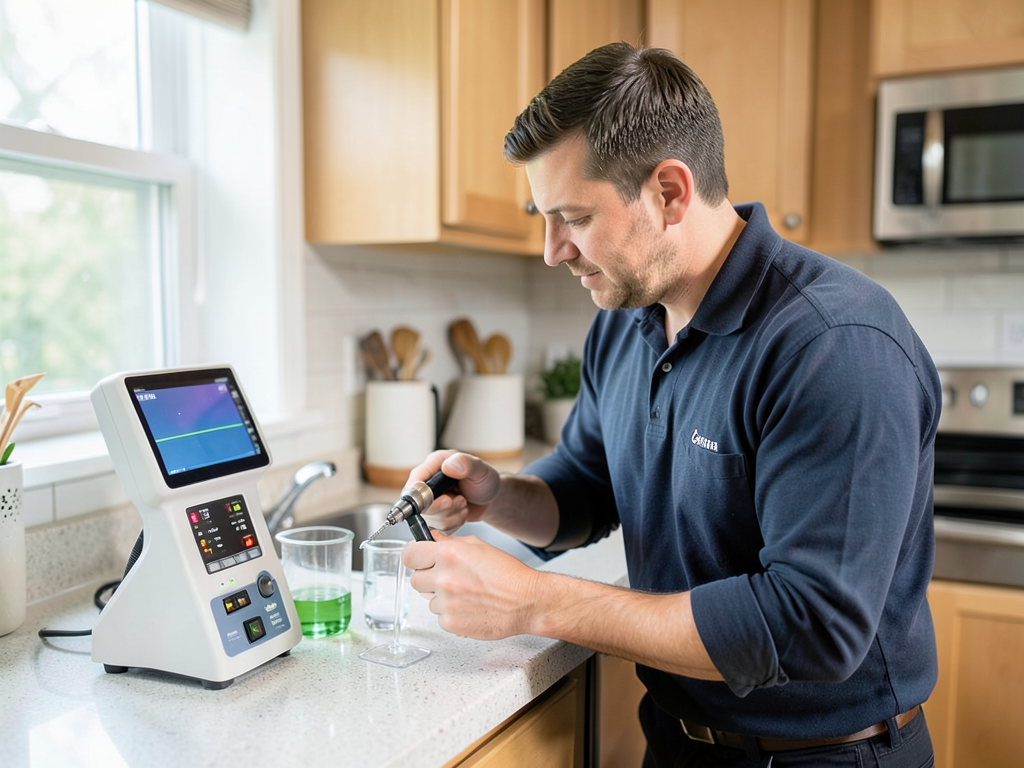
Before you can fix the problem, you need to know exactly what you’re dealing with. A comprehensive water test will measure:
- pH level (acidity/alkalinity)
- Hardness (calcium and magnesium content)
- Total Dissolved Solids (TDS)
- Iron and manganese levels
- Presence of bacteria or contaminants
In Gotha, we often find water with pH levels between 5.8 and 6.3, which is mildly acidic but still corrosive enough to damage copper pipes over time.
Treatment Options for Corrosive Water in Gotha
Once we know your water chemistry, we can recommend the right treatment system. Here are the most effective solutions for Gotha homes:
Acid Neutralizers Using Calcite Media
Calcite systems are the most common solution for mildly acidic water. These tanks contain crushed limestone that dissolves slowly as water passes through, raising the pH to neutral levels.
Benefits for Gotha homes:
- No chemicals required – uses natural limestone
- Low maintenance – backwashes automatically
- Protects all plumbing fixtures and appliances
- Improves water taste and feel
Soda Ash Injection Systems
For water with very low pH (below 5.5) or high flow rates, soda ash injection provides more precise control. A small pump injects sodium carbonate into the water line.
When soda ash is better:
- Water pH below 5.5
- High water usage homes
- Need for exact pH control
- Well water with high iron content
Polyphosphate Feeders
Polyphosphate systems coat pipes with a protective layer that prevents corrosion. While they don’t change water chemistry, they’re effective for existing plumbing systems.
Best for:
- Older homes with existing copper pipes
- Situations where pH adjustment isn’t needed
- Protecting against galvanic corrosion
Comparing Treatment Systems for Gotha Water
| System Type | Best pH Range | Maintenance | Initial Cost | Annual Operating Cost |
|---|---|---|---|---|
| Calcite Neutralizer | 5.5 – 6.9 | Low – media replacement every 2-3 years | $800 – $1,500 | $50 – $100 |
| Soda Ash Injection | Below 5.5 | Medium – chemical refills, pump maintenance | $1,200 – $2,000 | $200 – $400 |
| Polyphosphate Feeder | Any pH | Low – cartridge replacement every 6 months | $400 – $800 | $100 – $150 |
The Cost of Ignoring Corrosive Water
Those blue stains are just the visible symptom of a much bigger problem. Here’s what happens when corrosive water goes untreated:
- Pinhole leaks develop in walls and ceilings, causing water damage and mold growth
- Water heater failure occurs when the tank’s glass lining corrodes
- Appliance damage reduces the lifespan of dishwashers, washing machines, and water softeners
- Reduced water pressure from narrowed pipes affects daily use
- Complete repiping becomes necessary when pipes fail completely
A single pinhole leak can cost $500 to $2,000 to repair, while whole-house repiping runs $4,000 to $15,000 depending on your home’s size.
Installation Process for Water Treatment Systems
Installing a water treatment system is a straightforward process that typically takes one day:
- Water Quality Assessment
We test your water and inspect your plumbing system to determine the best treatment approach.
- System Selection
Based on your water chemistry and household needs, we recommend the appropriate system size and type.
- Installation
We mount the tank, connect it to your main water line, and install any necessary pumps or controls.
- Programming and Testing
We set the system parameters and verify proper operation with follow-up water testing.
- Maintenance Training
We show you how to monitor the system and schedule regular service visits.
Why Local Experience Matters in Gotha
Water treatment isn’t one-size-fits-all. Gotha’s specific water chemistry requires local expertise to get right. We’ve worked with hundreds of homes in the 34734 zip code and understand the unique challenges:
- Seasonal changes in water table levels affect pH
- Different well depths produce varying water quality
- Older homes often have mixed metal plumbing that needs special consideration
- Local building codes require specific installation methods
Our team knows the difference between water from a well near Lake Nally versus one closer to the Orange County line. This local knowledge ensures your system works perfectly from day one.
Protecting Your Investment
Once you’ve installed a water treatment system, regular maintenance keeps it working properly:
- Annual water testing to verify pH levels
- Media replacement in calcite systems every 2-3 years
- Chemical level checks for injection systems
- System cleaning to prevent bacterial growth
We offer maintenance plans that include all these services, so you never have to worry about your system failing when you need it most.
Emergency Response for Corrosive Water Damage
Sometimes corrosive water causes sudden problems that need immediate attention. If you experience:
- Sudden drop in water pressure
- Water stains on walls or ceilings
- Complete loss of water to part of your home
- Unusual noises from pipes
Call us immediately. We offer 24/7 emergency service for Gotha residents and can respond within hours to prevent further damage.
Frequently Asked Questions
How long does it take to see results after installing a water treatment system?
You’ll notice improvements in water taste and feel within 24-48 hours. The blue-green stains will gradually fade as the treated water cleans your pipes from the inside out.
Will a water treatment system affect my water pressure?
No, properly sized systems maintain your existing water pressure. In fact, as corrosion stops and pipes clear, you may see improved pressure over time.
Can I install a water treatment system myself?
While possible, we don’t recommend it. Water treatment requires precise calibration and knowledge of local plumbing codes. Improper installation can void warranties and create safety hazards.
How much does a water treatment system cost?
Costs vary based on your specific needs, but most Gotha homeowners invest between $800 and $2,000 for a complete system. We offer financing options to make treatment affordable.
Take Action Today
Those blue and green stains aren’t just ugly – they’re warning signs of serious plumbing damage. Every day you wait, your pipes continue to deteriorate and your repair costs grow. Warning Signs You Might Have a Slab Leak Under Your Orlando Foundation.
Call (239) 467-5554 today to schedule your free water quality test. We’ll evaluate your water, explain your options, and provide a clear plan to protect your home. Don’t let corrosive water destroy your plumbing – take control with professional water treatment.
Our team serves Gotha and all of Orange County with fast, reliable service. We’re licensed, insured, and committed to solving your water problems for good.
Pick up the phone and call (239) 467-5554 before the next storm hits. Corrosive water doesn’t wait, and neither should you. For more information, visit CDC information on corrosive water.
You may also find this helpful. How to Fix a Leaky Outdoor Spigot at Your Dr. Phillips Home Without Flooding the Yard.
{
“@context”: “https://schema.org”,
“@type”: “BlogPosting”,
“headline”: “Getting Rid of the Blue and Green Stains on Your Faucets and Sinks in Gotha”,
“description”: “Blue-green stains in Gotha homes? Learn why corrosive water causes copper pipe damage and how acid neutralizers can protect your plumbing.”,
“wordCount”: 1479,
“datePublished”: “2026-04-21T07:55:00.000Z”,
“dateModified”: “2026-04-21T07:55:00.000Z”,
“inLanguage”: “en-US”,
“mainEntityOfPage”: {
“@type”: “WebPage”,
“@id”: “https://grandplumbingorlando.com”
},
“publisher”: {
“@type”: “LocalBusiness”,
“name”: “Grand Plumbing Orlando”,
“url”: “https://grandplumbingorlando.com”
},
“author”: {
“@type”: “Organization”,
“name”: “Grand Plumbing Orlando”,
“url”: “https://grandplumbingorlando.com”
},
“image”: {
“@type”: “ImageObject”,
“url”: “https://grandplumbingorlando.com/wp-content/uploads/2026/03/getting-rid-of-the-blue-and-green-stains-on-your-f-1.png”
}
}
{
“@context”: “https://schema.org”,
“@type”: “Plumber”,
“name”: “Grand Plumbing Orlando”,
“url”: “https://grandplumbingorlando.com”,
“address”: {
“@type”: “PostalAddress”,
“addressLocality”: “Orlando”
},
“areaServed”: {
“@type”: “City”,
“name”: “Orlando”
}
}
{
“@context”: “https://schema.org”,
“@type”: “FAQPage”,
“mainEntity”: [
{
“@type”: “Question”,
“name”: “How long does it take to see results after installing a water treatment system?”,
“acceptedAnswer”: {
“@type”: “Answer”,
“text”: “You’ll notice improvements in water taste and feel within 24-48 hours. The blue-green stains will gradually fade as the treated water cleans your pipes from the inside out.”
}
},
{
“@type”: “Question”,
“name”: “Will a water treatment system affect my water pressure?”,
“acceptedAnswer”: {
“@type”: “Answer”,
“text”: “No, properly sized systems maintain your existing water pressure. In fact, as corrosion stops and pipes clear, you may see improved pressure over time.”
}
},
{
“@type”: “Question”,
“name”: “Can I install a water treatment system myself?”,
“acceptedAnswer”: {
“@type”: “Answer”,
“text”: “While possible, we don’t recommend it. Water treatment requires precise calibration and knowledge of local plumbing codes. Improper installation can void warranties and create safety hazards.”
}
},
{
“@type”: “Question”,
“name”: “How much does a water treatment system cost?”,
“acceptedAnswer”: {
“@type”: “Answer”,
“text”: “Costs vary based on your specific needs, but most Gotha homeowners invest between $800 and $2,000 for a complete system. We offer financing options to make treatment affordable.”
}
}
]
}
{
“@context”: “https://schema.org”,
“@type”: “HowTo”,
“name”: “Water Treatment System Installation”,
“step”: [
{
“@type”: “HowToStep”,
“position”: 1,
“name”: “Water Quality Assessment”,
“text”: “We test your water and inspect your plumbing system to determine the best treatment approach.”
},
{
“@type”: “HowToStep”,
“position”: 2,
“name”: “System Selection”,
“text”: “Based on your water chemistry and household needs, we recommend the appropriate system size and type.”
},
{
“@type”: “HowToStep”,
“position”: 3,
“name”: “Installation”,
“text”: “We mount the tank, connect it to your main water line, and install any necessary pumps or controls.”
},
{
“@type”: “HowToStep”,
“position”: 4,
“name”: “Programming and Testing”,
“text”: “We set the system parameters and verify proper operation with follow-up water testing.”
},
{
“@type”: “HowToStep”,
“position”: 5,
“name”: “Maintenance Training”,
“text”: “We show you how to monitor the system and schedule regular service visits.”
}
],
“image”: “https://grandplumbingorlando.com/wp-content/uploads/2026/03/getting-rid-of-the-blue-and-green-stains-on-your-f-1.png”
}
{
“@context”: “https://schema.org”,
“@type”: “BreadcrumbList”,
“itemListElement”: [
{
“@type”: “ListItem”,
“position”: 1,
“name”: “Home”,
“item”: “https://grandplumbingorlando.com”
},
{
“@type”: “ListItem”,
“position”: 2,
“name”: “Blog”,
“item”: “https://grandplumbingorlando.com/blog”
},
{
“@type”: “ListItem”,
“position”: 3,
“name”: “Getting Rid of the Blue and Green Stains on Your Faucets and Sinks in Gotha”
}
]
}
{
“@context”: “https://schema.org”,
“@type”: “Service”,
“serviceType”: “Plumbing”,
“provider”: {
“@type”: “LocalBusiness”,
“name”: “Grand Plumbing Orlando”,
“url”: “https://grandplumbingorlando.com”
},
“areaServed”: {
“@type”: “City”,
“name”: “Orlando”
},
“description”: “Blue-green stains in Gotha homes? Learn why corrosive water causes copper pipe damage and how acid neutralizers can protect your plumbing.”
}