
Planning the Plumbing and Drainage for Your New Detached Guest House in Winter Park
Building a detached guest house in Winter Park means navigating Florida’s humid climate, sandy soil, and strict building codes. You need a plumbing system that handles everything from underground water service to sewer connections while meeting Orange County and Winter Park city requirements. This guide breaks down what you must know before breaking ground. Florida Building Code Chapter 7.
Understanding Winter Park’s ADU Plumbing Requirements
Winter Park updated its zoning laws in 2024 to allow accessory dwelling units on most residential properties. The city requires all new plumbing installations to meet Florida Building Code Chapter 7 and Orange County Utilities standards. Your detached guest house needs separate water service and sewer lateral connections, even if it sits just 20 feet from your main home. Orange County Utilities standards.
The soil in Winter Park consists of sandy loam over limestone bedrock. This combination causes two major plumbing challenges: pipe shifting from minor ground movement and high water table interference during trenching. You must install proper bedding material and consider deeper water service lines to avoid seasonal saturation issues. Is a Tankless Water Heater Right for Your Lake Nona Home?.
Water Service Planning for Your Backyard Cottage
Your guest house needs its own potable water supply line from the main meter. Winter Park Water & Sewer requires a minimum 1-inch service line for any residential unit with more than one bathroom. The line must run at least 18 inches deep to prevent damage from soil movement and root intrusion.
Consider installing a tankless water heater to save space and energy. These units work well in Florida’s warm climate and eliminate the need for a bulky storage tank. However, you must ensure proper gas line sizing or electrical service capacity before choosing this option.
Water pressure in Winter Park typically ranges from 40 to 60 psi. If your property sits at a higher elevation, you might need a pressure reducing valve to protect fixtures and prevent pipe damage. Test the pressure before finalizing your plumbing design. Who to Call for a Plumbing Emergency in Winter Park After Hours.
Sewer Line Connections and Drainage Systems
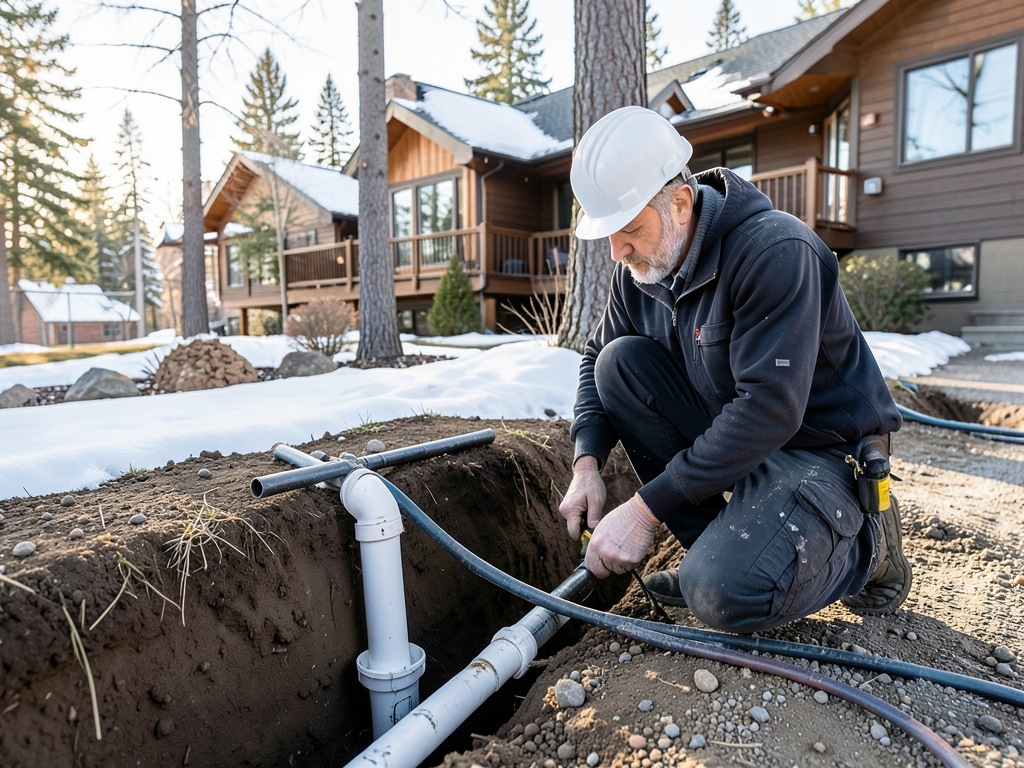
Every detached ADU needs its own sewer lateral connection to the municipal system. The pipe must slope at least 1/4 inch per foot to ensure proper flow. In Winter Park’s flat terrain, this often means trenching deeper than expected to achieve adequate fall.
Tree roots pose a constant threat to sewer lines in Winter Park. The city’s mature oak and magnolia trees send roots toward moisture sources. Install root barrier fabric around new sewer lines and consider using PVC instead of clay pipe for better root resistance.
Stormwater drainage requires separate consideration. Winter Park’s clay-heavy soil doesn’t drain quickly during heavy rains. Install French drains or catch basins to prevent water from pooling around your guest house foundation. The Florida Plumbing Code requires proper grading away from all structures. Plumbing Clermont.
Winter Park Building Department Permitting Process
Winter Park Building Department reviews all ADU plumbing plans before issuing permits. You must submit detailed drawings showing pipe locations, fixture counts, and backflow prevention devices. The department typically processes applications within 10 business days if all documentation is complete.
Two inspections are mandatory: one after underground rough-in and another before final fixture installation. The inspector checks for proper pipe support, correct slope, and adequate venting. Missing either inspection can delay your project by weeks.
Winter Park requires a plumbing permit for any new water or sewer line. The permit fee depends on the scope of work but typically ranges from $150 to $300 for a complete ADU installation.
Fixture Selection and Water Conservation
Florida law mandates low-flow fixtures in all new construction. Your guest house must include toilets using 1.28 gallons per flush or less and showerheads with maximum flow rates of 2.5 gallons per minute. These requirements help conserve water in Central Florida’s growing communities. Common Toilet Problems in Baldwin Park Townhomes and How We Fix Them.
Consider dual-flush toilets for guest houses. They offer better water efficiency and reduce strain on your septic or sewer system. Many modern models also feature quieter operation, which matters in smaller living spaces.
Install shut-off valves at each fixture location. This allows you to isolate problems without shutting down the entire water supply. It also makes future maintenance much easier for both you and any service technicians.
Common Winter Park ADU Plumbing Challenges
Tree root intrusion represents the biggest threat to ADU sewer lines in Winter Park. The city’s mature tree canopy means roots can reach lateral lines within 5-7 years if proper barriers aren’t installed. Chemical root treatments every 18-24 months help prevent major blockages.
High water table issues affect trenching depth and pipe bedding. During rainy seasons, water can rise to within 2-3 feet of the surface. Use gravel bedding and consider raised foundation designs to keep plumbing above seasonal saturation levels. Warning Signs You Might Have a Slab Leak Under Your Orlando Foundation.
Older properties in Winter Park often have shared utility easements. You may need to coordinate with neighbors or adjust your ADU location to avoid conflicts with existing underground utilities.
Cost Factors and Timeline Expectations
ADU plumbing installation in Winter Park typically costs between $8,000 and $15,000, depending on distance from main utilities and soil conditions. Sandy soil excavation costs less than digging through clay or rock, but you’ll need more bedding material for pipe support.
Timeline expectations vary by season. Summer projects face delays from afternoon thunderstorms and high water table conditions. Winter installations often proceed faster but may encounter scheduling issues due to higher demand for contractors.
Factor in one week for permit processing, two weeks for rough-in installation, and one week for final connections and inspections. Weather delays can add 2-3 weeks to any project during Florida’s rainy season.
Why Professional Installation Matters
ADUs require specialized knowledge of both residential and commercial plumbing codes. A licensed master plumber understands the nuances of Florida’s building requirements and can spot potential issues before they become expensive problems.
Professional installation includes proper pressure testing, backflow prevention, and code-compliant venting. These elements protect your investment and ensure your guest house meets all Winter Park and Orange County requirements.
DIY plumbing often leads to costly repairs and failed inspections. The savings from cutting corners rarely outweigh the expense of fixing code violations or water damage from improper installation.
Maintenance Tips for Your New ADU Plumbing
Schedule annual plumbing inspections to catch small issues before they become major problems. Check for leaks around fixtures, test water pressure, and inspect visible pipes for signs of corrosion or damage.
Clean drain lines every 12-18 months using enzymatic cleaners or professional hydro-jetting. This prevents buildup and keeps water flowing smoothly through your system.
Monitor your water bill for unexpected increases, which often indicate hidden leaks. Early detection saves money and prevents water damage to your guest house structure.
Energy Efficiency and Future Upgrades
Consider smart water monitoring systems that detect leaks and track usage patterns. These devices can alert you to problems before they cause significant damage and help manage utility costs.
Plan for future upgrades when designing your plumbing layout. Leave space for additional fixtures or appliances you might add later. This foresight prevents costly rework when you decide to expand your ADU’s capabilities.
Insulate hot water pipes to reduce heat loss and improve energy efficiency. This simple step can lower your utility bills and provide faster hot water delivery to fixtures.
Working with Your Contractor
Choose a contractor experienced with Winter Park’s specific requirements and soil conditions. Ask for references from other ADU projects and verify their licensing and insurance coverage.
Request a detailed scope of work that includes all plumbing components, permit fees, and inspection costs. This transparency helps prevent budget surprises and ensures everyone understands the project scope.
Maintain open communication throughout the project. Regular updates help identify and resolve issues quickly, keeping your ADU construction on schedule and within budget.
Final Considerations Before Breaking Ground
Review your property survey to confirm setback requirements and utility locations. Winter Park has specific rules about ADU placement relative to property lines and main structures.
Consider future property value when planning your ADU layout. A well-designed guest house with quality plumbing can significantly increase your home’s market appeal and rental potential.
Document all plumbing work with photos and receipts. This record helps with future maintenance and provides valuable information for potential buyers if you sell your property.
Frequently Asked Questions
How deep should water lines be buried for an ADU in Winter Park?
Water service lines must be buried at least 18 inches deep in Winter Park to protect against soil movement and root damage. Deeper burial may be necessary if you encounter high water table conditions or need to achieve proper slope for sewer lines.
Do I need a separate water meter for my guest house?
Yes, Winter Park requires a separate water meter for any detached ADU. This allows for individual billing and helps track usage patterns. The meter must be installed by Orange County Utilities and connected to your main water service.
What type of pipe is best for Winter Park’s soil conditions?
PVC pipe works best for most ADU plumbing in Winter Park. It resists root intrusion better than clay pipe and handles soil movement without cracking. For water service lines, consider PEX for its flexibility and freeze resistance, though freezing is rare in Central Florida.
How long does ADU plumbing installation typically take?
Complete ADU plumbing installation usually takes 2-3 weeks, not including permit processing time. This includes rough-in installation, pressure testing, inspections, and final connections. Weather and soil conditions can extend this timeline, especially during Florida’s rainy season.
Can I use my existing septic system for the ADU?
No, Winter Park requires all new ADUs to connect to municipal sewer systems. Existing septic systems cannot handle the additional load from a separate dwelling unit. You must install a new sewer lateral connection to meet code requirements.

Call (239) 467-5554 today to schedule your ADU plumbing consultation. Our Winter Park team understands local codes and soil conditions, ensuring your guest house plumbing passes inspection the first time.
Pick up the phone and call (239) 467-5554 before the next storm hits. We’ll help you plan a plumbing system that works for Florida’s climate and Winter Park’s specific requirements.
You may also find this helpful. How to Fix a Leaky Outdoor Spigot at Your Dr. Phillips Home Without Flooding the Yard.
{
“@context”: “https://schema.org”,
“@type”: “BlogPosting”,
“headline”: “Planning the Plumbing and Drainage for Your New Detached Guest House in Winter Park”,
“description”: “Complete guide to ADU plumbing in Winter Park. Learn Winter Park codes, sewer tie-ins, and water service upgrades for your backyard cottage or in-law suite.”,
“wordCount”: 1740,
“datePublished”: “2026-04-24T13:03:00.000Z”,
“dateModified”: “2026-04-24T13:03:00.000Z”,
“inLanguage”: “en-US”,
“mainEntityOfPage”: {
“@type”: “WebPage”,
“@id”: “https://grandplumbingorlando.com”
},
“publisher”: {
“@type”: “LocalBusiness”,
“name”: “Grand Plumbing Orlando”,
“url”: “https://grandplumbingorlando.com”
},
“author”: {
“@type”: “Organization”,
“name”: “Grand Plumbing Orlando”,
“url”: “https://grandplumbingorlando.com”
},
“image”: {
“@type”: “ImageObject”,
“url”: “https://grandplumbingorlando.com/wp-content/uploads/2026/03/planning-the-plumbing-and-drainage-for-your-new-de-1.png”
}
}
{
“@context”: “https://schema.org”,
“@type”: “Plumber”,
“name”: “Grand Plumbing Orlando”,
“url”: “https://grandplumbingorlando.com”,
“address”: {
“@type”: “PostalAddress”,
“addressLocality”: “Orlando”
},
“areaServed”: {
“@type”: “City”,
“name”: “Orlando”
}
}
{
“@context”: “https://schema.org”,
“@type”: “FAQPage”,
“mainEntity”: [
{
“@type”: “Question”,
“name”: “How deep should water lines be buried for an ADU in Winter Park?”,
“acceptedAnswer”: {
“@type”: “Answer”,
“text”: “Water service lines must be buried at least 18 inches deep in Winter Park to protect against soil movement and root damage. Deeper burial may be necessary if you encounter high water table conditions or need to achieve proper slope for sewer lines.”
}
},
{
“@type”: “Question”,
“name”: “Do I need a separate water meter for my guest house?”,
“acceptedAnswer”: {
“@type”: “Answer”,
“text”: “Yes, Winter Park requires a separate water meter for any detached ADU. This allows for individual billing and helps track usage patterns. The meter must be installed by Orange County Utilities and connected to your main water service.”
}
},
{
“@type”: “Question”,
“name”: “What type of pipe is best for Winter Park’s soil conditions?”,
“acceptedAnswer”: {
“@type”: “Answer”,
“text”: “PVC pipe works best for most ADU plumbing in Winter Park. It resists root intrusion better than clay pipe and handles soil movement without cracking. For water service lines, consider PEX for its flexibility and freeze resistance, though freezing is rare in Central Florida.”
}
},
{
“@type”: “Question”,
“name”: “How long does ADU plumbing installation typically take?”,
“acceptedAnswer”: {
“@type”: “Answer”,
“text”: “Complete ADU plumbing installation usually takes 2-3 weeks, not including permit processing time. This includes rough-in installation, pressure testing, inspections, and final connections. Weather and soil conditions can extend this timeline, especially during Florida’s rainy season.”
}
},
{
“@type”: “Question”,
“name”: “Can I use my existing septic system for the ADU?”,
“acceptedAnswer”: {
“@type”: “Answer”,
“text”: “No, Winter Park requires all new ADUs to connect to municipal sewer systems. Existing septic systems cannot handle the additional load from a separate dwelling unit. You must install a new sewer lateral connection to meet code requirements.”
}
}
]
}
{
“@context”: “https://schema.org”,
“@type”: “BreadcrumbList”,
“itemListElement”: [
{
“@type”: “ListItem”,
“position”: 1,
“name”: “Home”,
“item”: “https://grandplumbingorlando.com”
},
{
“@type”: “ListItem”,
“position”: 2,
“name”: “Blog”,
“item”: “https://grandplumbingorlando.com/blog”
},
{
“@type”: “ListItem”,
“position”: 3,
“name”: “Planning the Plumbing and Drainage for Your New Detached Guest House in Winter Park”
}
]
}
{
“@context”: “https://schema.org”,
“@type”: “Service”,
“serviceType”: “Plumbing”,
“provider”: {
“@type”: “LocalBusiness”,
“name”: “Grand Plumbing Orlando”,
“url”: “https://grandplumbingorlando.com”
},
“areaServed”: {
“@type”: “City”,
“name”: “Orlando”
},
“description”: “Complete guide to ADU plumbing in Winter Park. Learn Winter Park codes, sewer tie-ins, and water service upgrades for your backyard cottage or in-law suite.”
}