
The Best Ways to Prevent Costly Pipe Bursts During Rare Central Florida Freezes
Central Florida homeowners rarely worry about frozen pipes. But when a rare Arctic front pushes through Orlando the damage can be catastrophic. Just one night below 28°F can cause pipes to burst costing thousands in repairs. This guide shows you how to protect your home before the next freeze hits. Florida Building Code plumbing requirements.
Orlando’s subtropical climate means most homes have shallow plumbing runs and slab-on-grade foundations. Pipes often sit within inches of the surface or run through uninsulated attics. When temperatures plummet water inside can freeze expand and crack copper or PEX lines. A single burst pipe can release hundreds of gallons before you even notice. Is a Tankless Water Heater Right for Your Lake Nona Home?.
Why Florida Plumbing is Vulnerable to Freezes
Unlike northern homes Florida plumbing rarely gets buried below the frost line. Most Orlando-area homes sit on concrete slabs with pipes running through the attic or exterior walls. When a hard freeze warning hits local plumbers see a surge in calls from Windermere to Lake Nona. The shallow pipe depth combined with poor insulation creates a perfect storm for freeze damage. Warning Signs You Might Have a Slab Leak Under Your Orlando Foundation.
Local building codes in Orange County require PEX piping for new construction but many older homes still use copper. Copper freezes faster and bursts at higher temperatures than PEX. Homes near the Butler Chain of Lakes in Windermere often have long exposed runs to pool equipment making them especially vulnerable. Why Old Maitland Homes Often Need Complete Copper Repiping.
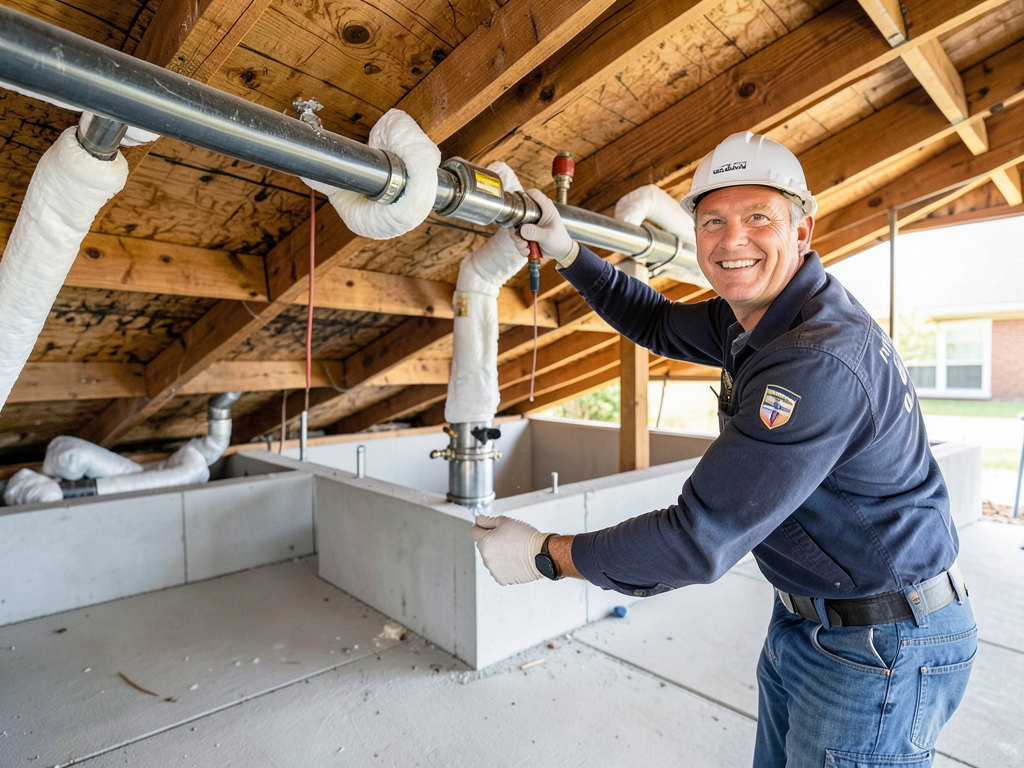
Golden Nugget #1: Orlando’s average first frost date is December 18 but a hard freeze below 28°F only happens once every 3-4 years. That rarity means most homeowners never develop freeze-prep habits.
The Orlando Winterization Checklist
Preparing your plumbing for a freeze takes less than an hour but can save you thousands. Follow this checklist as soon as a freeze warning hits the National Weather Service for Orange County. National Weather Service freeze safety guide.
- Locate Your Main Shut-off Valve
Find the valve where the main water line enters your home. In most Orlando slab homes it sits near the water heater or in a front-yard utility box. Turn it clockwise to shut off water completely.
- Drain Exterior Lines
Open all outdoor hose bibs and let them drain completely. Leave the valves slightly open so expanding ice has room to push without breaking the pipe.. Read more about Managing Outdoor Plumbing and Pool Fill Valves for Your Lake Butler Estate.
- Insulate Exposed Pipes
Wrap all exposed pipes in foam insulation sleeves. Pay special attention to pipes in attics garages and crawl spaces. A $2 foam tube can prevent a $2000 repair.
- Protect Hose Bibs
Install insulated covers over all outdoor spigots. In a pinch wrap them with towels and secure with duct tape.
- Set Interior Temperature
If you leave town keep your thermostat at 65°F or higher. Open cabinet doors under sinks to let warm air circulate around pipes.
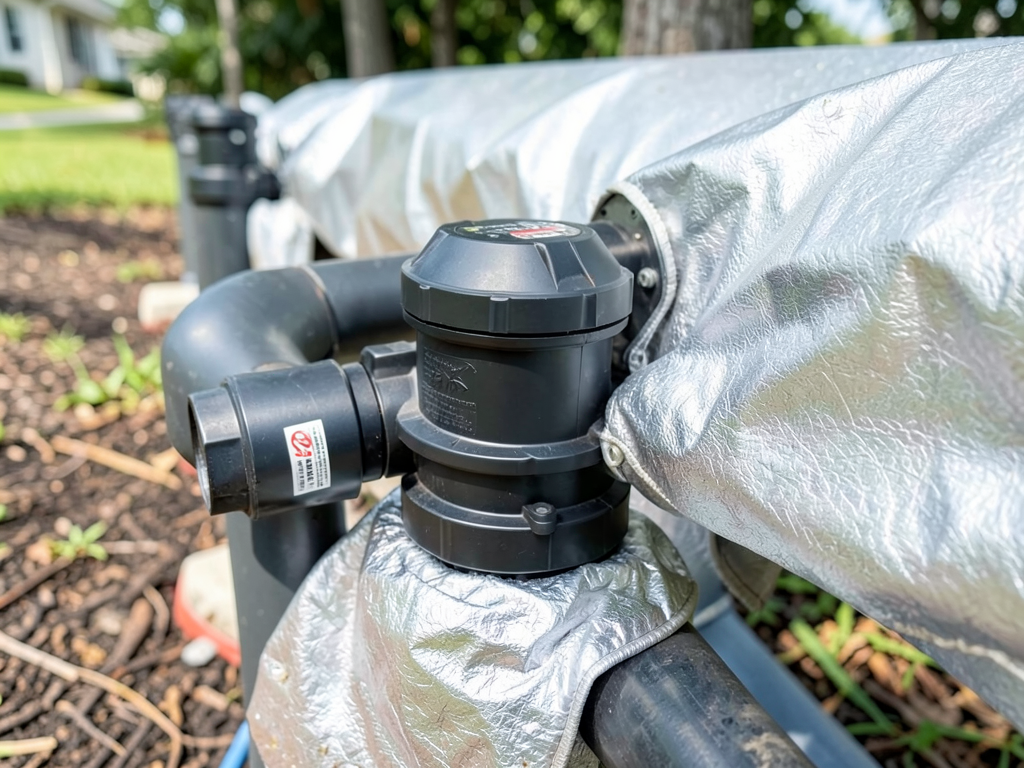
Golden Nugget #2: The backflow preventer on your irrigation system is often the first component to freeze. These brass assemblies sit above ground and contain water that expands when frozen. Insulating them with a $15 cover prevents a $300+ replacement.
Protecting Your Irrigation and Backflow Preventer
Orlando’s residential irrigation systems use backflow preventers to stop contaminated water from entering the city supply. These devices sit above ground and trap water making them extremely vulnerable to freezing.
Turn off the irrigation system at the main valve. Then open the test cocks on the backflow preventer to drain any trapped water. Wrap the entire assembly in foam pipe insulation then cover it with a thermal blanket or insulated cover.
Many newer homes in Lake Nona and surrounding areas use reclaimed water for irrigation. These systems have separate backflow devices that need the same protection. The Orange County Utilities Department requires all backflow preventers to be tested annually so mark your calendar to check them after the freeze threat passes.
The Snowbird Protocol: Leaving Your Orlando Home for Winter
Thousands of seasonal residents leave Central Florida homes vacant each winter. A burst pipe in an empty house can cause catastrophic damage before anyone notices.
Before leaving for the north shut off the main water supply. Then open all faucets to drain the system completely. Flush all toilets to empty tanks and bowls. Pour RV antifreeze into each toilet bowl and sink trap to prevent any remaining water from freezing. Common Toilet Problems in Baldwin Park Townhomes and How We Fix Them.
Set your water heater to vacation mode or turn it off completely at the breaker. If you have a tankless water heater turn off the power and close the isolation valves. Consider installing a smart water monitor that can alert you to leaks while you’re away.
Golden Nugget #3: Most Orlando-area homes use the Orange County Utilities water system. OUC offers a seasonal vacancy service that can shut off your water remotely for a small fee. This service prevents the most common freeze claim: a burst pipe flooding an empty home for days.
Pool Equipment Protection During Florida Freezes
Central Florida pools often run year-round but freeze events can still damage equipment. The pool pump and heater are particularly vulnerable.
Modern pool systems have freeze protection that automatically turns on the pump when temperatures drop near freezing. Test this feature before cold weather hits. If your system lacks freeze protection run the pump manually during freeze warnings.
Pool heaters need special attention. Gas heaters should be turned off at the gas valve. Heat pumps need to run continuously during freezing temperatures to prevent ice buildup on the coils. Insulate exposed pipes running to and from the equipment pad.
Many homes in Doctor Phillips and Windermere have outdoor kitchens with sink plumbing. These lines need the same protection as interior plumbing. Shut off the water supply and drain the lines completely. Who to Call for a Plumbing Emergency in Winter Park After Hours.
When to Call a Professional
Some freeze preparations require professional help. If you can’t locate your main shut-off valve or if your home has complex plumbing a licensed plumber should handle winterization.
Professional plumbers can install frost-proof hose bibs replace old gate valves with quarter-turn ball valves and add heat tape to vulnerable runs. They can also test your backflow preventer to ensure it meets Orange County code requirements.
If you discover frozen pipes never use an open flame to thaw them. Call a professional immediately. Thawing pipes can burst if not done correctly causing more damage than the original freeze.
Call (239) 467-5554 today to schedule your pre-freeze inspection. Our licensed plumbers will identify vulnerable areas and install proper protection before the next cold snap hits.
Emergency Steps if a Pipe Has Already Frozen
If you suspect frozen pipes act quickly to minimize damage. First shut off the main water supply. Then open all faucets to relieve pressure when the ice thaws.
Locate the frozen section by feeling for extremely cold pipes. Apply gentle heat using a hair dryer heating pad or space heater. Never use a propane torch or other open flame.
Once water begins flowing check for leaks. Even small cracks can leak hundreds of gallons per day. If you find any damage shut off the water and call a professional immediately.
Document all damage with photos for insurance claims. Most homeowners insurance covers burst pipe damage but requires prompt reporting.. Read more about What Homeowners in St. Cloud Need to Know About Polybutylene Pipe Replacement.
Comparing Pipe Materials and Freeze Resistance
| Material | Freeze Resistance | Burst Pressure | Typical Cost |
|---|---|---|---|
| Copper | Low | 1000-1500 PSI | $$ |
| PEX | High | 200-300 PSI | $ |
| PVC | Medium | 150-300 PSI | $ |
| CPVC | Low | 400-600 PSI | $$ |
PEX piping handles freezing much better than copper because it expands slightly without breaking. However no pipe is truly freeze-proof. The best protection is preventing freezing in the first place.
Cost-Benefit Analysis of Freeze Protection
| Protection Method | Cost | Potential Savings | ROI |
|---|---|---|---|
| Foam Pipe Insulation | $20-50 | $500-2000 | 10-40x |
| Backflow Cover | $15-30 | $300-500 | 10-30x |
| Smart Water Monitor | $150-300 | $1000-5000 | 5-15x |
| Professional Winterization | $150-300 | $500-3000 | 3-10x |
Investing in freeze protection pays for itself many times over. A single burst pipe can cost $1000-5000 in repairs plus thousands more in water damage and mold remediation.
Local Building Code Considerations
The Florida Building Code Section 301.2.1.1 requires plumbing in unconditioned spaces to be protected from freezing. This means pipes in attics must be insulated or heat traced when local temperatures drop below 40°F.
Orange County adds requirements for freeze protection in commercial buildings. All exterior hose bibs must have anti-siphon vacuum breakers and be protected from freezing. Commercial kitchens need freeze protection for floor sinks and floor drains.
Many Orlando homes built before 2010 lack these protections. If you’re renovating consider upgrading to meet current codes. This not only protects against freezes but also ensures compliance for future inspections.
Long-term Freeze Protection Strategies
Beyond emergency preparation consider permanent freeze protection upgrades. Install frost-proof hose bibs that extend the valve into heated space. Add pipe insulation to all attic runs. Replace old gate valves with quarter-turn ball valves that seal better.
For homes with frequent freeze warnings consider heat tape on vulnerable runs. Modern heat tape uses self-regulating technology that only draws power when temperatures drop. This provides protection without running up your electric bill.
If you’re planning a renovation ask your plumber about rerouting vulnerable pipes into conditioned spaces. Moving pipes from an attic to an interior wall might cost $500-1000 but provides permanent protection.
Call (239) 467-5554 to discuss permanent freeze protection solutions for your Orlando home. We’ll evaluate your specific vulnerabilities and recommend cost-effective upgrades.
Frequently Asked Questions
How cold does it need to get for pipes to freeze in Orlando?
Pipes begin freezing when temperatures drop below 32°F but significant risk starts around 28°F. Central Florida homes are especially vulnerable because pipes often lack proper insulation.
Should I drip my faucets during a freeze warning?
Yes. Letting faucets drip slowly keeps water moving through pipes making freezing less likely. Focus on faucets connected to pipes in exterior walls or unheated spaces.
How long does a freeze need to last to cause damage?
Pipes can freeze in as little as 3-6 hours in extreme cold. The longer temperatures stay below freezing the deeper the freeze penetrates into walls and attics.
Will my homeowner’s insurance cover burst pipe damage?
Most policies cover sudden and accidental water damage from burst pipes. However they may deny claims if you failed to maintain heat or take reasonable precautions during known freeze events.
What’s the most common freeze failure point in Orlando homes?
The backflow preventer on irrigation systems fails most often. These brass assemblies sit above ground and trap water that expands when frozen. Insulating them prevents the most common freeze claim.
Can I use space heaters to prevent pipe freezing?
Space heaters can help but use them safely. Keep them away from flammable materials and never leave them unattended. A better solution is insulating vulnerable pipes or adding permanent heat tape.
How do I know if my pipes are already frozen?
Symptoms include no water flow at certain fixtures frost on exposed pipes and strange sounds when you turn on taps. If you suspect frozen pipes shut off the main water supply immediately to prevent flooding when they thaw.
{
“@context”: “https://schema.org”,
“@type”: “BlogPosting”,
“headline”: “The Best Ways to Prevent Costly Pipe Bursts During Rare Central Florida Freezes”,
“description”: “Protect your Orlando home from freeze damage with expert tips on insulating pipes, draining irrigation systems, and safeguarding pool equipment before the next cold snap.”,
“wordCount”: 1882,
“datePublished”: “2026-03-20T12:06:00.000Z”,
“dateModified”: “2026-03-20T12:06:00.000Z”,
“inLanguage”: “en-US”,
“mainEntityOfPage”: {
“@type”: “WebPage”,
“@id”: “https://grandplumbingorlando.com”
},
“publisher”: {
“@type”: “LocalBusiness”,
“name”: “Grand Plumbing Orlando”,
“url”: “https://grandplumbingorlando.com”
},
“author”: {
“@type”: “Organization”,
“name”: “Grand Plumbing Orlando”,
“url”: “https://grandplumbingorlando.com”
},
“image”: {
“@type”: “ImageObject”,
“url”: “https://grandplumbingorlando.com/wp-content/uploads/2026/03/the-best-ways-to-prevent-costly-pipe-bursts-during-1.png”
}
}
{
“@context”: “https://schema.org”,
“@type”: “Plumber”,
“name”: “Grand Plumbing Orlando”,
“url”: “https://grandplumbingorlando.com”,
“address”: {
“@type”: “PostalAddress”,
“addressLocality”: “Orlando”
},
“areaServed”: {
“@type”: “City”,
“name”: “Orlando”
}
}
{
“@context”: “https://schema.org”,
“@type”: “FAQPage”,
“mainEntity”: [
{
“@type”: “Question”,
“name”: “How cold does it need to get for pipes to freeze in Orlando?”,
“acceptedAnswer”: {
“@type”: “Answer”,
“text”: “Pipes begin freezing when temperatures drop below 32°F but significant risk starts around 28°F. Central Florida homes are especially vulnerable because pipes often lack proper insulation.”
}
},
{
“@type”: “Question”,
“name”: “Should I drip my faucets during a freeze warning?”,
“acceptedAnswer”: {
“@type”: “Answer”,
“text”: “Yes. Letting faucets drip slowly keeps water moving through pipes making freezing less likely. Focus on faucets connected to pipes in exterior walls or unheated spaces.”
}
},
{
“@type”: “Question”,
“name”: “How long does a freeze need to last to cause damage?”,
“acceptedAnswer”: {
“@type”: “Answer”,
“text”: “Pipes can freeze in as little as 3-6 hours in extreme cold. The longer temperatures stay below freezing the deeper the freeze penetrates into walls and attics.”
}
},
{
“@type”: “Question”,
“name”: “Will my homeowner’s insurance cover burst pipe damage?”,
“acceptedAnswer”: {
“@type”: “Answer”,
“text”: “Most policies cover sudden and accidental water damage from burst pipes. However they may deny claims if you failed to maintain heat or take reasonable precautions during known freeze events.”
}
},
{
“@type”: “Question”,
“name”: “What’s the most common freeze failure point in Orlando homes?”,
“acceptedAnswer”: {
“@type”: “Answer”,
“text”: “The backflow preventer on irrigation systems fails most often. These brass assemblies sit above ground and trap water that expands when frozen. Insulating them prevents the most common freeze claim.”
}
},
{
“@type”: “Question”,
“name”: “Can I use space heaters to prevent pipe freezing?”,
“acceptedAnswer”: {
“@type”: “Answer”,
“text”: “Space heaters can help but use them safely. Keep them away from flammable materials and never leave them unattended. A better solution is insulating vulnerable pipes or adding permanent heat tape.”
}
},
{
“@type”: “Question”,
“name”: “How do I know if my pipes are already frozen?”,
“acceptedAnswer”: {
“@type”: “Answer”,
“text”: “Symptoms include no water flow at certain fixtures frost on exposed pipes and strange sounds when you turn on taps. If you suspect frozen pipes shut off the main water supply immediately to prevent flooding when they thaw.”
}
}
]
}
{
“@context”: “https://schema.org”,
“@type”: “HowTo”,
“name”: “Orlando Freeze Protection Steps”,
“step”: [
{
“@type”: “HowToStep”,
“position”: 1,
“name”: “Locate Your Main Shut-off Valve”,
“text”: “Find the valve where the main water line enters your home. In most Orlando slab homes it sits near the water heater or in a front-yard utility box. Turn it clockwise to shut off water completely.”
},
{
“@type”: “HowToStep”,
“position”: 2,
“name”: “Drain Exterior Lines”,
“text”: “Open all outdoor hose bibs and let them drain completely. Leave the valves slightly open so expanding ice has room to push without breaking the pipe.”
},
{
“@type”: “HowToStep”,
“position”: 3,
“name”: “Insulate Exposed Pipes”,
“text”: “Wrap all exposed pipes in foam insulation sleeves. Pay special attention to pipes in attics garages and crawl spaces. A $2 foam tube can prevent a $2000 repair.”
},
{
“@type”: “HowToStep”,
“position”: 4,
“name”: “Protect Hose Bibs”,
“text”: “Install insulated covers over all outdoor spigots. In a pinch wrap them with towels and secure with duct tape.”
},
{
“@type”: “HowToStep”,
“position”: 5,
“name”: “Set Interior Temperature”,
“text”: “If you leave town keep your thermostat at 65°F or higher. Open cabinet doors under sinks to let warm air circulate around pipes.”
}
],
“image”: “https://grandplumbingorlando.com/wp-content/uploads/2026/03/the-best-ways-to-prevent-costly-pipe-bursts-during-1.png”
}
{
“@context”: “https://schema.org”,
“@type”: “BreadcrumbList”,
“itemListElement”: [
{
“@type”: “ListItem”,
“position”: 1,
“name”: “Home”,
“item”: “https://grandplumbingorlando.com”
},
{
“@type”: “ListItem”,
“position”: 2,
“name”: “Blog”,
“item”: “https://grandplumbingorlando.com/blog”
},
{
“@type”: “ListItem”,
“position”: 3,
“name”: “The Best Ways to Prevent Costly Pipe Bursts During Rare Central Florida Freezes”
}
]
}
{
“@context”: “https://schema.org”,
“@type”: “Service”,
“serviceType”: “Plumbing”,
“provider”: {
“@type”: “LocalBusiness”,
“name”: “Grand Plumbing Orlando”,
“url”: “https://grandplumbingorlando.com”
},
“areaServed”: {
“@type”: “City”,
“name”: “Orlando”
},
“description”: “Protect your Orlando home from freeze damage with expert tips on insulating pipes, draining irrigation systems, and safeguarding pool equipment before the next cold snap.”
}