
Whole House Carbon Filters vs Reverse Osmosis (Which One Do You Actually Need in Winter Springs?)
Winter Springs homeowners face a common dilemma when choosing water treatment: whole house carbon filters or reverse osmosis systems. The answer depends on your water quality issues and household needs. OUC water in Winter Springs contains chlorine and chloramines that affect taste and odor while Central Florida’s hard water creates mineral buildup. A carbon filter treats water at every tap but cannot remove dissolved solids. Reverse osmosis delivers ultra-pure drinking water but only at specific outlets and wastes water in the process. Water Quality Association.
Understanding these differences helps you make the right choice for your home. Carbon filters work as point-of-entry systems treating all incoming water while RO systems function as point-of-use solutions for drinking and cooking. Your decision should factor in water quality goals budget and whether you need whole-house protection or just purified drinking water. Is a Tankless Water Heater Right for Your Lake Nona Home?.
Understanding the Orlando Water Profile (Chlorine Sulfur and Hardness)
Winter Springs receives water from the Floridan Aquifer through OUC distribution. This water contains elevated levels of total dissolved solids hard minerals and disinfection chemicals. OUC uses chloramines rather than chlorine for disinfection which requires specialized carbon filtration media. The sulfur smell common in some Central Florida wells also affects water quality perception. Common Toilet Problems in Baldwin Park Townhomes and How We Fix Them.
Local water hardness typically ranges from 12 to 18 grains per gallon significantly above the national average. This hardness causes scale buildup in pipes water heaters and appliances. The high mineral content also interferes with soap effectiveness and leaves spots on dishes and fixtures. Understanding these specific local conditions helps determine which filtration approach addresses your actual problems.
The combination of chloramines hardness and occasional sulfur creates unique treatment challenges. Standard carbon filters may not effectively remove chloramines without catalytic carbon media. Hard water requires additional treatment beyond basic filtration. These factors influence whether a simple carbon system suffices or if reverse osmosis becomes necessary for your household.

What is a Whole House Carbon Filter (Point-of-Entry)
A whole house carbon filter installs on your main water line treating all water entering your home. The system uses activated carbon media typically coconut shell or catalytic carbon to remove chlorine chloramines volatile organic compounds and sediment. Water passes through the carbon bed where contaminants adsorb onto the surface leaving cleaner water for every faucet shower and appliance.
These systems protect plumbing from chlorine damage improve taste and odor throughout the house and reduce chemical exposure during bathing. The carbon media requires periodic replacement usually every 6 to 12 months depending on water usage and contaminant levels. Some systems include automatic backwashing to clean the media and extend filter life. Who to Call for a Plumbing Emergency in Winter Park After Hours.
Installation typically occurs in a garage utility room or outdoor enclosure protected from freezing. The system must handle your home’s peak flow rate which for Winter Springs homes often ranges from 10 to 15 gallons per minute. Proper sizing ensures adequate water pressure for simultaneous use in multiple bathrooms and appliances. Why Old Maitland Homes Often Need Complete Copper Repiping.
Pros and Cons of Carbon Filtration
Carbon filtration offers several advantages for Winter Springs homeowners. The system treats all water entering the home improving quality for drinking cooking bathing and laundry. Installation costs less than whole house reverse osmosis and requires minimal maintenance beyond media replacement. Carbon filters do not waste water and maintain natural mineral content beneficial for health.
However carbon filters have limitations. They cannot remove dissolved solids like calcium and magnesium that cause hard water. The systems do not eliminate bacteria or viruses. Chloramine removal requires specialized catalytic carbon which costs more than standard activated carbon. Filter effectiveness decreases as media becomes saturated requiring timely replacement.
The systems also require adequate space for installation and proper drainage for backwashing models. Water pressure may drop slightly as water passes through the carbon bed. These factors influence whether carbon filtration alone meets your household’s water quality needs or if additional treatment becomes necessary.
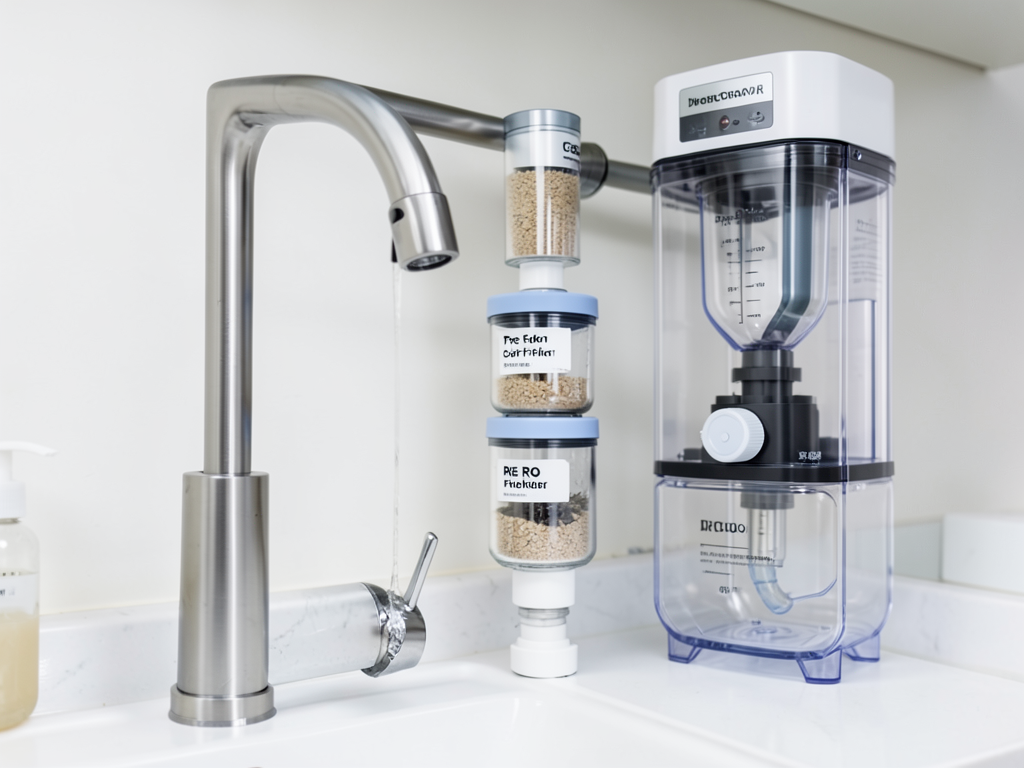
What is Reverse Osmosis (Point-of-Use vs Whole House)
Reverse osmosis uses a semi-permeable membrane to remove dissolved solids particles and contaminants from water. The process forces water through microscopic pores blocking substances larger than water molecules. Standard RO systems install under sinks providing purified water through a dedicated faucet for drinking cooking and ice making.
Whole house RO systems treat all incoming water but require significant space and higher initial investment. These systems must handle the entire household flow rate and include storage tanks to maintain adequate pressure. The membrane requires pre-filtration to remove sediment and chlorine that would damage it.
RO systems typically include multiple stages: sediment pre-filter carbon pre-filter RO membrane and post-carbon filter. The process removes up to 99% of dissolved solids including minerals salts and heavy metals. However it also strips beneficial minerals and produces wastewater during operation typically at a 3:1 to 4:1 ratio of waste to purified water.
Pros and Cons of RO Systems
Reverse osmosis delivers superior purification removing contaminants that carbon filters cannot address. The systems eliminate dissolved solids heavy metals fluoride nitrates and many organic compounds. Water tastes exceptionally clean and pure making it ideal for drinking cooking and baby formula preparation. Under-sink models provide convenient access without whole-house installation. EPA National Primary Drinking Water Regulations.
The main drawbacks include water waste during operation and removal of beneficial minerals. RO systems require more frequent maintenance with membrane replacement every 2 to 3 years and filter changes every 6 to 12 months. The systems operate more slowly than carbon filters and may need storage tanks to maintain adequate flow.
Cost represents another consideration with under-sink systems ranging from $300 to $600 and whole house systems exceeding $5000. The systems also require adequate water pressure typically above 40 psi to function properly. These factors determine whether RO’s superior purification justifies its higher cost and maintenance requirements.
Side-by-Side Comparison: Carbon Filter vs Reverse Osmosis
| Feature | Whole House Carbon Filter | Reverse Osmosis |
|---|---|---|
| Installation Type | Point-of-Entry (whole house) | Point-of-Use (under sink) or POE (whole house) |
| Contaminants Removed | Chlorine chloramines VOCs sediment | Dissolved solids heavy metals fluoride |
| Water Waste | None | 3-4 gallons waste per gallon purified |
| Flow Rate | 10-15 GPM (whole house) | 0.5-0.8 GPM (under sink) |
| Maintenance Frequency | 6-12 months (media replacement) | 6-12 months (filters) 2-3 years (membrane) |
| Initial Cost | $800-$2000 | $300-$600 (under sink) $5000+ (whole house) |
| Space Required | Moderate (filter tank + plumbing) | Minimal (under sink) or significant (whole house) |
| Mineral Content | Maintains natural minerals | Removes most minerals |
Can You Use Both (The Hybrid Solution)
Many Winter Springs homeowners achieve optimal water quality by combining both systems. A whole house carbon filter removes chlorine chloramines and sediment protecting plumbing and improving all water quality. Then an under-sink reverse osmosis system provides ultra-pure drinking water for consumption and cooking. Plumbing Clermont.
This hybrid approach maximizes benefits while minimizing drawbacks. The carbon filter prevents chlorine damage to the RO membrane extending its life. The RO system then polishes the already-treated water to drinking quality. This combination addresses both whole-house water quality concerns and point-of-use purification needs.
Installation typically places the carbon filter on the main line entering the home followed by the RO system at the kitchen sink. This configuration protects all household water while providing dedicated purified water for drinking and cooking. The approach often proves more cost-effective than whole house RO while delivering superior results to either system alone.
Hybrid systems also allow for future expansion. You might start with carbon filtration then add RO later if you decide you want purified drinking water. This flexibility helps homeowners make informed decisions without committing to the highest-cost option immediately.
Cost Analysis for Orlando Homeowners
Initial investment varies significantly between systems. Whole house carbon filters cost $800 to $2000 installed including the filter tank media and basic plumbing connections. Premium systems with catalytic carbon for chloramine removal or automated backwashing features cost more but provide better performance for local water conditions.
Under-sink reverse osmosis systems range from $300 to $600 for basic models with higher-end systems featuring additional stages or remineralization costing up to $1200. Whole house RO systems require $5000 to $10000 investment including storage tanks pumps and extensive plumbing modifications.
Operating costs differ between systems. Carbon filters require media replacement every 6 to 12 months at $100 to $200 per service. RO systems need filter changes every 6 months ($50 to $100) and membrane replacement every 2 to 3 years ($150 to $300). The hybrid approach combines these costs but often proves more economical than whole house RO.
Long-term value depends on your priorities. Carbon filtration protects plumbing and improves all water use at lower cost. RO provides superior drinking water but only at specific outlets. Consider your household’s water quality goals budget and whether whole-house treatment or point-of-use purification better serves your needs.
Maintenance Requirements and Lifespan
Carbon filter maintenance follows predictable patterns based on water usage and quality. Media typically lasts 6 to 12 months before requiring replacement. Automated systems with backwashing features extend media life by cleaning the carbon bed periodically. Without backwashing you might need replacement every 6 months in high-chlorine areas like Winter Springs.
RO system maintenance involves multiple components with different replacement schedules. Pre-filters and post-filters need changing every 6 to 12 months. The RO membrane lasts 2 to 3 years but may fail sooner with poor pre-filtration or high contaminant levels. Storage tanks require periodic sanitization to prevent bacterial growth.
Local water conditions affect maintenance frequency. Winter Springs’ chloramine levels require catalytic carbon rather than standard activated carbon. High hardness can scale RO membranes reducing efficiency. Sulfur can foul carbon media requiring more frequent replacement. These factors influence both performance and maintenance costs.
Professional maintenance ensures optimal performance. Annual service checks identify issues before they cause system failure. Water testing confirms the systems remove contaminants effectively. Proper maintenance extends equipment life and maintains water quality throughout your home.
Both systems require monitoring for performance changes. Reduced water pressure unusual tastes or odors indicate maintenance needs. Regular testing confirms contaminant removal meets your expectations. Understanding these requirements helps you budget for ongoing costs and ensures reliable water quality.
Frequently Asked Questions
Does a carbon filter remove hard water minerals?
No carbon filters cannot remove dissolved minerals like calcium and magnesium that cause hard water. These minerals pass through carbon media unchanged. You need a water softener or reverse osmosis to address hard water problems.
How much water does reverse osmosis waste?
Traditional RO systems waste 3 to 4 gallons of water for every gallon of purified water produced. Modern systems with water-saving technology reduce this ratio to about 2:1 but some waste remains inherent to the purification process.
Can I install these systems myself?
Basic under-sink RO systems come with DIY installation instructions but require plumbing modifications and understanding of water pressure. Whole house systems need professional installation to ensure proper sizing code compliance and warranty coverage. Professional installation also includes water testing to size the system correctly.
How do I know which system I need?
Professional water testing identifies your specific contaminants and water quality issues. If you have chlorine taste odors or want whole-house protection carbon filtration works well. If you need purified drinking water for health reasons or want to remove dissolved solids RO becomes necessary.
Are these systems affected by Orlando’s hurricane season?
Both systems can be vulnerable to power outages and water quality changes during storms. Carbon filters continue working without power but may need more frequent replacement afterward. RO systems stop functioning without electricity. Consider backup power options if water quality during emergencies concerns you.
Making Your Decision
Your choice between carbon filtration and reverse osmosis depends on your specific water quality issues household needs and budget. If chlorine taste chloramine odors or sediment concern you throughout your home a carbon filter provides comprehensive protection at reasonable cost. If you need purified drinking water for health reasons or want to remove dissolved solids RO offers superior purification.
Consider your priorities carefully. Whole house carbon filtration improves all water use while RO provides point-of-use purification. The hybrid approach combines benefits of both systems. Professional water testing helps identify your actual contaminants and recommends appropriate treatment.
Remember that water quality affects more than just drinking. Hard water damages appliances chlorine dries skin and sediment clogs fixtures. Choose the system that addresses your primary concerns while fitting your budget and maintenance preferences.
Ready to improve your Winter Springs home’s water quality? Call (239) 467-5554 today to schedule your professional water test and consultation. Our experts will analyze your water recommend the right system and provide transparent pricing with no hidden costs. Don’t wait until water problems damage your plumbing or affect your family’s health.
Pick up the phone and call (239) 467-5554 before the next storm season hits. We’ll help you choose the right water treatment system for your home’s specific needs and ensure your family has clean safe water year-round.
{
“@context”: “https://schema.org”,
“@type”: “BlogPosting”,
“headline”: “Whole House Carbon Filters vs Reverse Osmosis (Which One Do You Actually Need in Winter Springs?)”,
“description”: “Compare whole house carbon filters vs reverse osmosis for Winter Springs water. Learn which system removes chlorine, sulfur, and hard water based on OUC reports and local plumbing codes.”,
“wordCount”: 2183,
“datePublished”: “2026-06-09T14:30:00.000Z”,
“dateModified”: “2026-06-09T14:30:00.000Z”,
“inLanguage”: “en-US”,
“mainEntityOfPage”: {
“@type”: “WebPage”,
“@id”: “https://grandplumbingorlando.com”
},
“publisher”: {
“@type”: “LocalBusiness”,
“name”: “Grand Plumbing Orlando”,
“url”: “https://grandplumbingorlando.com”
},
“author”: {
“@type”: “Organization”,
“name”: “Grand Plumbing Orlando”,
“url”: “https://grandplumbingorlando.com”
},
“image”: {
“@type”: “ImageObject”,
“url”: “https://grandplumbingorlando.com/wp-content/uploads/2026/03/whole-house-carbon-filters-vs-reverse-osmosis-whic-1.png”
}
}
{
“@context”: “https://schema.org”,
“@type”: “Plumber”,
“name”: “Grand Plumbing Orlando”,
“url”: “https://grandplumbingorlando.com”,
“address”: {
“@type”: “PostalAddress”,
“addressLocality”: “Orlando”
},
“areaServed”: {
“@type”: “City”,
“name”: “Orlando”
}
}
{
“@context”: “https://schema.org”,
“@type”: “FAQPage”,
“mainEntity”: [
{
“@type”: “Question”,
“name”: “Does a carbon filter remove hard water minerals?”,
“acceptedAnswer”: {
“@type”: “Answer”,
“text”: “No carbon filters cannot remove dissolved minerals like calcium and magnesium that cause hard water. These minerals pass through carbon media unchanged. You need a water softener or reverse osmosis to address hard water problems.”
}
},
{
“@type”: “Question”,
“name”: “How much water does reverse osmosis waste?”,
“acceptedAnswer”: {
“@type”: “Answer”,
“text”: “Traditional RO systems waste 3 to 4 gallons of water for every gallon of purified water produced. Modern systems with water-saving technology reduce this ratio to about 2:1 but some waste remains inherent to the purification process.”
}
},
{
“@type”: “Question”,
“name”: “Can I install these systems myself?”,
“acceptedAnswer”: {
“@type”: “Answer”,
“text”: “Basic under-sink RO systems come with DIY installation instructions but require plumbing modifications and understanding of water pressure. Whole house systems need professional installation to ensure proper sizing code compliance and warranty coverage. Professional installation also includes water testing to size the system correctly.”
}
},
{
“@type”: “Question”,
“name”: “How do I know which system I need?”,
“acceptedAnswer”: {
“@type”: “Answer”,
“text”: “Professional water testing identifies your specific contaminants and water quality issues. If you have chlorine taste odors or want whole-house protection carbon filtration works well. If you need purified drinking water for health reasons or want to remove dissolved solids RO becomes necessary.”
}
},
{
“@type”: “Question”,
“name”: “Are these systems affected by Orlando’s hurricane season?”,
“acceptedAnswer”: {
“@type”: “Answer”,
“text”: “Both systems can be vulnerable to power outages and water quality changes during storms. Carbon filters continue working without power but may need more frequent replacement afterward. RO systems stop functioning without electricity. Consider backup power options if water quality during emergencies concerns you.”
}
}
]
}
{
“@context”: “https://schema.org”,
“@type”: “BreadcrumbList”,
“itemListElement”: [
{
“@type”: “ListItem”,
“position”: 1,
“name”: “Home”,
“item”: “https://grandplumbingorlando.com”
},
{
“@type”: “ListItem”,
“position”: 2,
“name”: “Blog”,
“item”: “https://grandplumbingorlando.com/blog”
},
{
“@type”: “ListItem”,
“position”: 3,
“name”: “Whole House Carbon Filters vs Reverse Osmosis (Which One Do You Actually Need in Winter Springs?)”
}
]
}
{
“@context”: “https://schema.org”,
“@type”: “Service”,
“serviceType”: “Plumbing”,
“provider”: {
“@type”: “LocalBusiness”,
“name”: “Grand Plumbing Orlando”,
“url”: “https://grandplumbingorlando.com”
},
“areaServed”: {
“@type”: “City”,
“name”: “Orlando”
},
“description”: “Compare whole house carbon filters vs reverse osmosis for Winter Springs water. Learn which system removes chlorine, sulfur, and hard water based on OUC reports and local plumbing codes.”
}