
Why Your New Kitchen Island Needs Specialized Plumbing and Venting in Winter Garden
Adding a kitchen island in Winter Garden means cutting through concrete slabs and navigating Florida building codes. The drain lines under your island must slope at least 1/4 inch per foot to prevent clogs, and the venting must either loop back to an existing vent or use an approved air admittance valve. Without proper installation, you risk slow drainage, sewer gas leaks, and costly rework. This guide explains what makes island plumbing different, the local permitting process, and how to avoid common mistakes. Who to Call for a Plumbing Emergency in Winter Park After Hours.
Why Kitchen Island Plumbing Requires a Specialist
Island sinks sit away from walls, so traditional vertical venting isn’t possible. In Winter Garden homes, most are built on concrete slabs with sandy soil underneath. Cutting through that slab requires dust containment, precise trenching, and re-pouring to match the original finish. A small error in slope or vent placement can cause gurgling, slow drains, or even sewer backups. That’s why the work demands a licensed plumber familiar with Orange County’s 2020 Plumbing Code and Winter Garden’s permitting requirements. 2020 Florida Building Code (Plumbing).
Common island plumbing challenges include:
- Routing water supply and drain lines under finished flooring without damaging the slab
- Meeting the minimum 1/4″ per foot slope for drain lines in tight spaces
- Installing a vent that satisfies code—either a loop vent or an AAV—without compromising flow
- Coordinating inspections for underground work before concrete is poured
Our Process: From Slab Cutting to Rough-In
Every island project follows a strict sequence to protect your home and ensure code compliance:
- Permit Application
We pull an Orange County plumbing permit, including site plans showing new drain and vent routes. Plumbing Clermont.
- Slab Preparation
Dust barriers are installed, and the cutting area is marked. A diamond-blade saw cuts a clean trench, typically 12-18 inches wide.
- Underground Rough-In
Schedule 40 PVC drain lines are sloped at 1/4″ per foot. Water lines (1/2″ PEX or copper) are pressure-tested before burial. Is a Tankless Water Heater Right for Your Lake Nona Home?.
- Vent Installation
A loop vent is tied into an existing vent stack, or an AAV is mounted under the sink cabinet per Florida Building Code 2902.2.
- Inspection & Patching
The county inspector reviews underground work. After approval, the trench is backfilled with sand, and new concrete is poured to match the original slab.
Winter Garden Building Codes & Permitting
Orange County requires a plumbing permit for any new fixture installation. The 2020 Florida Building Code (Plumbing) mandates that island vents either connect to an existing vent stack or use an AAV that meets ASSE 1050 or 1051 standards. The AAV must be accessible for replacement and installed within 15 feet of the trap weir. Local Winter Garden inspectors also check for: ASSE International.
- Minimum 1.5″ drain for kitchen islands
- Proper cleanouts within 3 feet of the foundation
- Water pressure between 40-80 PSI at the fixture
Permitting typically takes 3-5 business days. Rough-in inspections must occur before concrete is poured, and a final inspection is required before the island is finished. Skipping permits can void your home warranty and cause issues when selling.
Venting Solutions for Island Sinks
Island sinks cannot use traditional wall vents. Two code-approved options exist:
| Vent Type | Installation Method | Pros | Cons |
|---|---|---|---|
| Loop Vent | Runs a horizontal drain loop up to an existing vent stack | No mechanical parts; long-term reliability | Requires access to an existing vent |
| AAV (Air Admittance Valve) | Mechanical valve under sink cabinet | Easier to install; works without existing vent | Limited lifespan; must be accessible |
Loop vents are preferred in new construction because they have no moving parts. AAVs are common in retrofits but must be certified to ASSE 1050 or 1051. Both must be installed per manufacturer instructions and inspected for proper operation. Common Toilet Problems in Baldwin Park Townhomes and How We Fix Them.
Frequently Asked Questions
How much does island plumbing installation cost in Winter Garden?
Costs vary based on slab thickness, existing vent access, and finish requirements. A basic installation with an AAV typically ranges from $1,200-$2,500, while a loop vent with extensive trenching can reach $3,500-$5,000.
How long does the process take?
Most island rough-ins take 2-3 days for cutting, trenching, and inspection. Final connections and patching add another 1-2 days. Weather or inspection delays can extend the timeline.
Can I add a dishwasher to the island?
Yes. The dishwasher drain ties into the sink’s P-trap, and its supply line runs parallel to the sink lines. Both must be included in the permit and inspected.
What happens if the slope is wrong?
Insufficient slope causes slow drainage and clogs. If caught during inspection, the line must be re-trenched. If discovered later, it requires breaking up the slab again—an expensive fix.
Do I need a permit if I’m just adding a sink to an existing island?
Yes. Any new drain or water line requires a plumbing permit in Orange County, regardless of whether the island existed before. Plumbing Repair Cost Guide 2026.

Diagram showing loop vent routing from island sink to existing vent stack, with slope and AAV placement details.
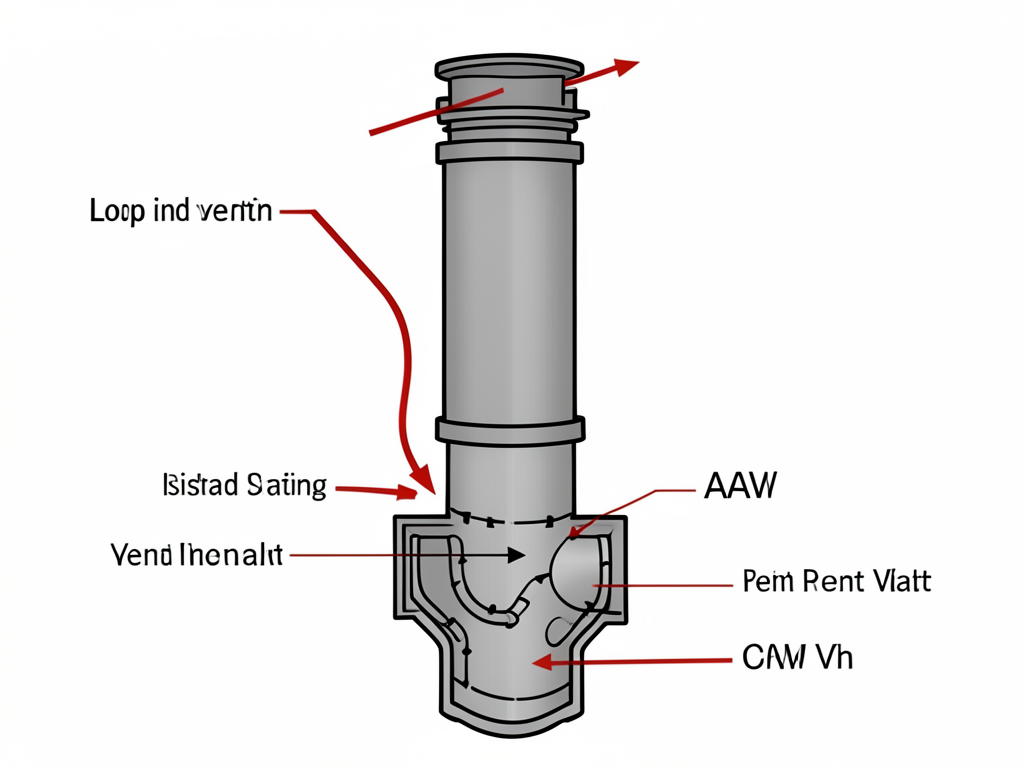
Photo of slab cutting in progress, with dust barriers and trenching equipment in a Winter Garden kitchen.
Close-up of AAV installation under sink cabinet, showing certification label and accessibility for future replacement.
Call (239) 467-5554 for Expert Island Plumbing in Winter Garden
Island plumbing is not a DIY job. From cutting through concrete to meeting Orange County codes, every step matters. Call (239) 467-5554 today to schedule your inspection and get a clear, upfront estimate. Don’t risk slow drains or sewer gas—get it done right the first time.
Pick up the phone and call (239) 467-5554 before the next storm hits. Winter Garden’s sandy soil and slab foundations demand expert handling to protect your investment.
{
“@context”: “https://schema.org”,
“@type”: “BlogPosting”,
“headline”: “Why Your New Kitchen Island Needs Specialized Plumbing and Venting in Winter Garden”,
“description”: “Island sinks require expert venting and slab trenching. Learn Winter Garden building codes, venting options, and why DIY island plumbing often fails.”,
“wordCount”: 982,
“datePublished”: “2026-04-20T15:53:00.000Z”,
“dateModified”: “2026-04-20T15:53:00.000Z”,
“inLanguage”: “en-US”,
“mainEntityOfPage”: {
“@type”: “WebPage”,
“@id”: “https://grandplumbingorlando.com”
},
“publisher”: {
“@type”: “LocalBusiness”,
“name”: “Grand Plumbing Orlando”,
“url”: “https://grandplumbingorlando.com”
},
“author”: {
“@type”: “Organization”,
“name”: “Grand Plumbing Orlando”,
“url”: “https://grandplumbingorlando.com”
},
“image”: {
“@type”: “ImageObject”,
“url”: “https://grandplumbingorlando.com/wp-content/uploads/2026/03/why-your-new-kitchen-island-needs-specialized-plum-1.png”
}
}
{
“@context”: “https://schema.org”,
“@type”: “Plumber”,
“name”: “Grand Plumbing Orlando”,
“url”: “https://grandplumbingorlando.com”,
“address”: {
“@type”: “PostalAddress”,
“addressLocality”: “Orlando”
},
“areaServed”: {
“@type”: “City”,
“name”: “Orlando”
}
}
{
“@context”: “https://schema.org”,
“@type”: “FAQPage”,
“mainEntity”: [
{
“@type”: “Question”,
“name”: “How much does island plumbing installation cost in Winter Garden?”,
“acceptedAnswer”: {
“@type”: “Answer”,
“text”: “Costs vary based on slab thickness, existing vent access, and finish requirements. A basic installation with an AAV typically ranges from $1,200-$2,500, while a loop vent with extensive trenching can reach $3,500-$5,000.”
}
},
{
“@type”: “Question”,
“name”: “How long does the process take?”,
“acceptedAnswer”: {
“@type”: “Answer”,
“text”: “Most island rough-ins take 2-3 days for cutting, trenching, and inspection. Final connections and patching add another 1-2 days. Weather or inspection delays can extend the timeline.”
}
},
{
“@type”: “Question”,
“name”: “Can I add a dishwasher to the island?”,
“acceptedAnswer”: {
“@type”: “Answer”,
“text”: “Yes. The dishwasher drain ties into the sink’s P-trap, and its supply line runs parallel to the sink lines. Both must be included in the permit and inspected.”
}
},
{
“@type”: “Question”,
“name”: “What happens if the slope is wrong?”,
“acceptedAnswer”: {
“@type”: “Answer”,
“text”: “Insufficient slope causes slow drainage and clogs. If caught during inspection, the line must be re-trenched. If discovered later, it requires breaking up the slab again—an expensive fix.”
}
},
{
“@type”: “Question”,
“name”: “Do I need a permit if I’m just adding a sink to an existing island?”,
“acceptedAnswer”: {
“@type”: “Answer”,
“text”: “Yes. Any new drain or water line requires a plumbing permit in Orange County, regardless of whether the island existed before. Plumbing Repair Cost Guide 2026.”
}
}
]
}
{
“@context”: “https://schema.org”,
“@type”: “HowTo”,
“name”: “Island Plumbing Installation Process”,
“step”: [
{
“@type”: “HowToStep”,
“position”: 1,
“name”: “Permit Application”,
“text”: “We pull an Orange County plumbing permit, including site plans showing new drain and vent routes. Plumbing Clermont.”
},
{
“@type”: “HowToStep”,
“position”: 2,
“name”: “Slab Preparation”,
“text”: “Dust barriers are installed, and the cutting area is marked. A diamond-blade saw cuts a clean trench, typically 12-18 inches wide.”
},
{
“@type”: “HowToStep”,
“position”: 3,
“name”: “Underground Rough-In”,
“text”: “Schedule 40 PVC drain lines are sloped at 1/4\” per foot. Water lines (1/2\” PEX or copper) are pressure-tested before burial. Is a Tankless Water Heater Right for Your Lake Nona Home?.”
},
{
“@type”: “HowToStep”,
“position”: 4,
“name”: “Vent Installation”,
“text”: “A loop vent is tied into an existing vent stack, or an AAV is mounted under the sink cabinet per Florida Building Code 2902.2.”
},
{
“@type”: “HowToStep”,
“position”: 5,
“name”: “Inspection & Patching”,
“text”: “The county inspector reviews underground work. After approval, the trench is backfilled with sand, and new concrete is poured to match the original slab.”
}
],
“image”: “https://grandplumbingorlando.com/wp-content/uploads/2026/03/why-your-new-kitchen-island-needs-specialized-plum-1.png”
}
{
“@context”: “https://schema.org”,
“@type”: “BreadcrumbList”,
“itemListElement”: [
{
“@type”: “ListItem”,
“position”: 1,
“name”: “Home”,
“item”: “https://grandplumbingorlando.com”
},
{
“@type”: “ListItem”,
“position”: 2,
“name”: “Blog”,
“item”: “https://grandplumbingorlando.com/blog”
},
{
“@type”: “ListItem”,
“position”: 3,
“name”: “Why Your New Kitchen Island Needs Specialized Plumbing and Venting in Winter Garden”
}
]
}
{
“@context”: “https://schema.org”,
“@type”: “Service”,
“serviceType”: “Plumbing”,
“provider”: {
“@type”: “LocalBusiness”,
“name”: “Grand Plumbing Orlando”,
“url”: “https://grandplumbingorlando.com”
},
“areaServed”: {
“@type”: “City”,
“name”: “Orlando”
},
“description”: “Island sinks require expert venting and slab trenching. Learn Winter Garden building codes, venting options, and why DIY island plumbing often fails.”
}