




menu

Mold in Bathroom Cabinets in Orlando – Expert Diagnosis and Plumbing Fixes That Stop It at the Source

When you spot mold in bathroom cabinets, you are not just dealing with surface staining. You are dealing with a hidden plumbing leak. We find the water source, fix the pipe, and help you restore the cabinet safely.

Slider Image 1
Slider Image 2
Slider Image 3
Slider Image 4
Slider Image 5
Slider Image 7
Slider Image 8
Slider Image 9
Slider Image 10
Slider Image 11

Why Orlando Bathrooms Breed Mold Inside Cabinets Faster Than You Think

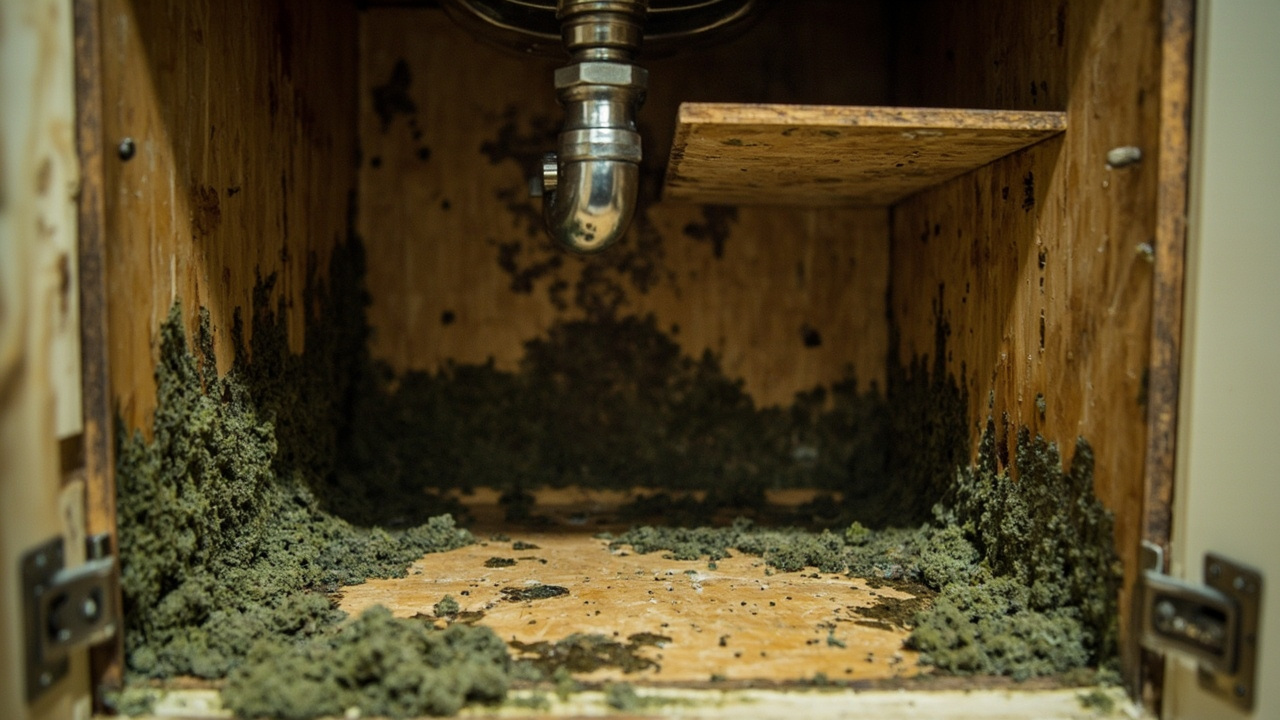
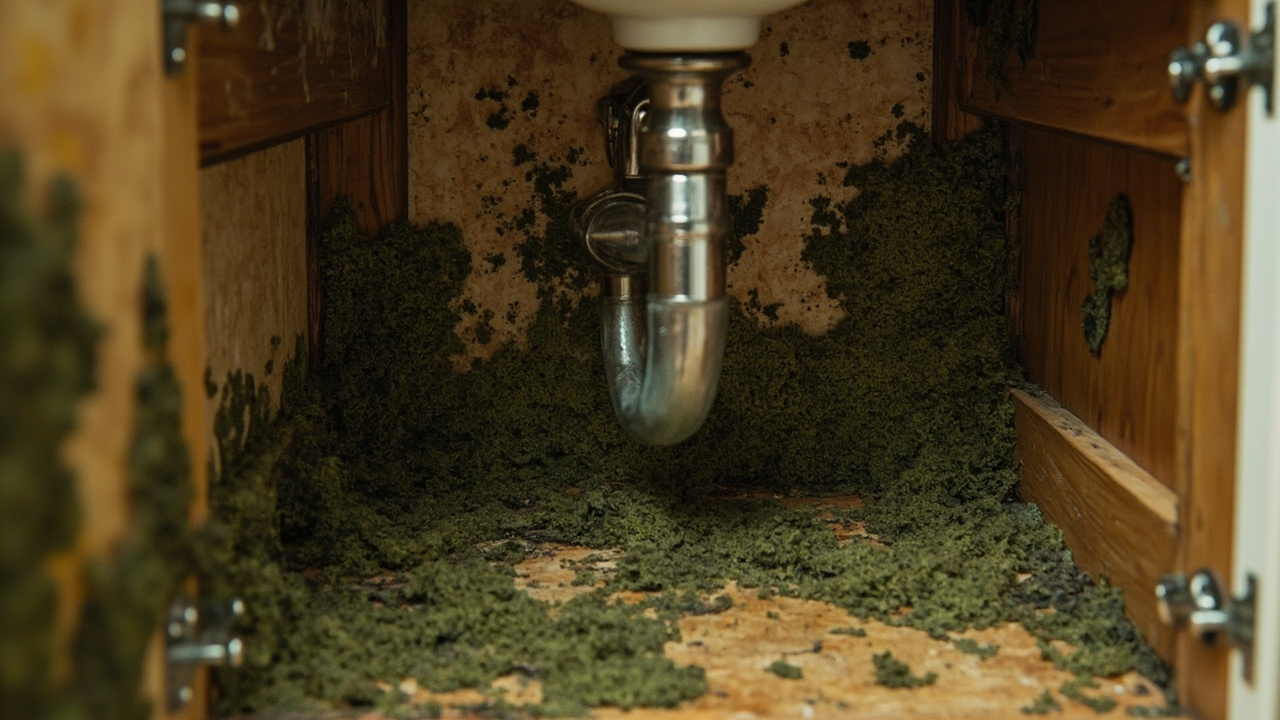
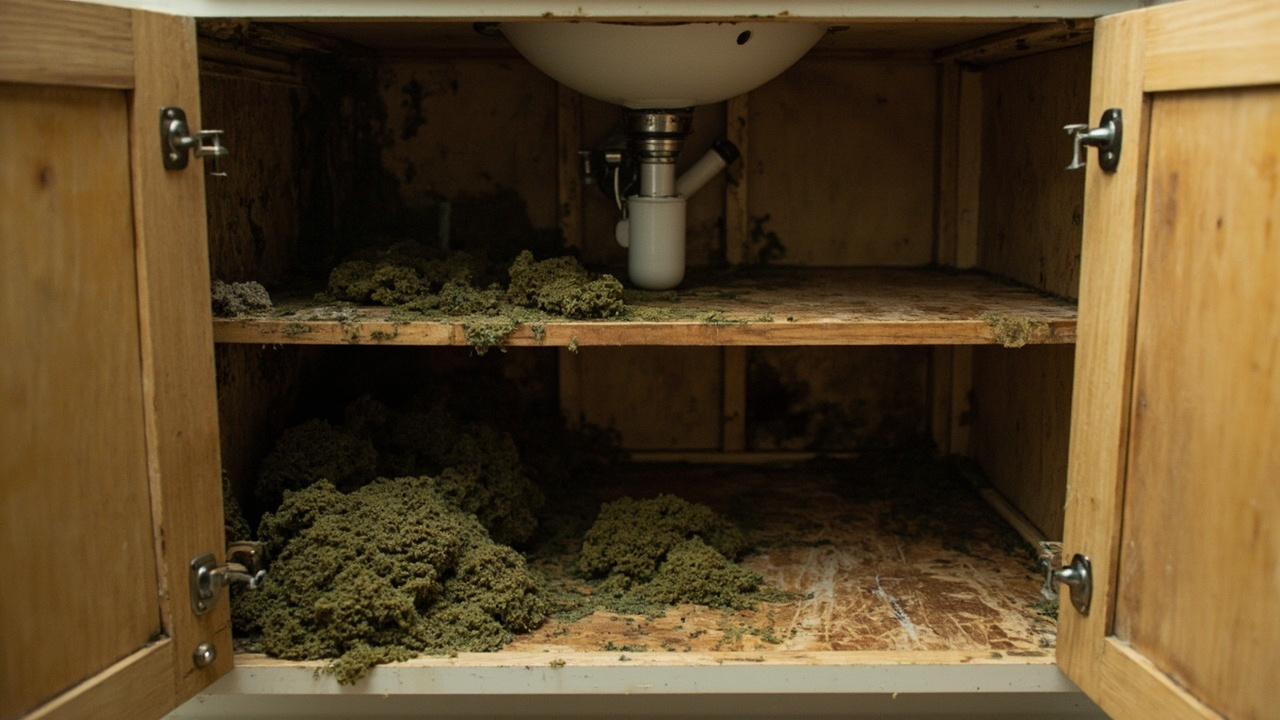
Orlando's combination of high humidity, frequent afternoon thunderstorms, and poorly ventilated older homes creates the perfect storm for bathroom vanity mold. When you open the cabinet under your sink and smell that musty odor or see black spots creeping up the particle board, you are looking at more than a cleaning problem. You are looking at a plumbing failure.

Mold under bathroom sink areas does not grow from nowhere. It grows because water is pooling where it should not be. That water comes from a leaking P-trap, a failed compression nut, a cracked supply line, or a worn-out shutoff valve. In Central Florida, where homes built in the 1980s and 1990s still have original galvanized or brass fittings, corrosion accelerates due to our mineral-heavy groundwater. The result is slow, invisible leaks that feed mildew in bathroom cabinets for months before you notice.

Bathroom cupboard mold often appears on the bottom panel first, then spreads upward along the sides. If you have a pedestal sink or a floating vanity, check behind the drywall. Mold growth inside vanity spaces can extend into the wall cavity, where it damages framing and insulation. This is common in older neighborhoods like College Park, Colonialtown, and Baldwin Park, where cast iron drain lines and outdated venting allow condensation to pool inside the cabinet base.

The longer you wait, the worse it gets. Mold spores spread through your HVAC system. The wood swells and rots. Your cabinet becomes structurally unsafe. Fixing mold in bathroom cabinets means fixing the plumbing first, then addressing the damage.

Why Orlando Bathrooms Breed Mold Inside Cabinets Faster Than You Think
How We Diagnose and Fix the Plumbing Problem Causing Your Cabinet Mold

How We Diagnose and Fix the Plumbing Problem Causing Your Cabinet Mold

Most homeowners try bleach spray or a dehumidifier. That is treating the symptom, not the cause. Grand Plumbing Orlando starts with a diagnostic inspection to identify the water source. We do not assume. We confirm.

We pull everything out from under the sink and inspect the P-trap, tailpiece, slip joints, supply lines, and shutoff valves. We look for pinhole leaks, mineral buildup, loose compression nuts, and corrosion at threaded connections. We check the drain shoe and the sanitary tee behind the wall. We run water through the system and watch for drips, seepage, or condensation forming on cold pipes.

If the leak is at the P-trap, we replace the entire assembly with schedule 40 PVC or ABS, depending on your existing drain configuration. If the shutoff valves are leaking, we install quarter-turn ball valves with braided stainless steel supply lines. If the drain line is cracked or the sanitary tee is compromised, we open the wall and replace the section with new pipe, then reseal and waterproof the penetration.

We also check for ventilation issues. If your bathroom does not have a functional exhaust fan or if the fan vents into the attic instead of outside, you will continue to have condensation and humidity problems. We can recommend mechanical ventilation upgrades or coordinate with your HVAC contractor to improve airflow.

Once the plumbing is repaired, we dry the cabinet thoroughly using fans and dehumidifiers. We explain what caused the mold, what we fixed, and what you need to monitor going forward. We do not do mold remediation ourselves, but we work with certified mold specialists in Orlando who can handle the cleanup safely if the contamination is extensive.

What Happens When You Call Us About Moldy Bathroom Cabinets

Mold in Bathroom Cabinets in Orlando – Expert Diagnosis and Plumbing Fixes That Stop It at the Source
01

Initial Leak Detection

We inspect the cabinet interior, P-trap, supply lines, shutoff valves, and drain connections. We run water and check for active leaks, seepage, or condensation on pipes. We identify the exact water source causing mold growth. This takes 20 to 30 minutes and includes a written diagnostic summary with photos.
02

Plumbing Repair and Replacement

We replace failed components like corroded P-traps, leaking shutoff valves, or cracked supply lines. We use durable materials like schedule 40 PVC, brass fittings, and braided stainless steel flex lines. If the drain line is compromised, we open the wall and replace the damaged section. Repairs take one to three hours depending on complexity.
03

Dry-Out and Prevention Plan

After the plumbing is fixed, we dry the cabinet using fans and explain how to prevent future mold. We review ventilation, humidity control, and early warning signs of new leaks. If mold contamination is severe, we refer you to a certified mold remediation specialist. You leave with a clear understanding of what failed and how to protect your home.

Why Orlando Homeowners Trust Us to Fix the Real Problem

Grand Plumbing Orlando does not sell you a temporary fix. We fix the plumbing failure that caused the mold in the first place. That is the difference between a patch job and a real solution.

We have worked in every type of Orlando home, from 1950s concrete block ranches in Audubon Park to modern townhomes in Lake Nona. We understand how galvanized pipes corrode in our water, how cast iron drain lines deteriorate in humid crawl spaces, and how poorly installed P-traps fail under constant use. We have seen it all, and we know how to fix it correctly the first time.

When you call a general handyman or a mold removal company, they clean the surface and leave. The leak keeps dripping. The mold comes back. When you call us, we find the source, replace the failed plumbing, and give you a system that works. That saves you money, protects your health, and stops the cycle of recurring mold growth.

We also understand Orlando building codes and how they apply to bathroom plumbing. If your home was built before 1995, you may have outdated venting or non-compliant drain configurations. We bring your system up to code during the repair, which protects your home value and prevents issues during future inspections or sales.

Our plumbers are trained in moisture detection, leak diagnosis, and proper drain assembly. We carry the parts we need on our trucks. We do not leave to get supplies or make you wait for special orders. We show up, diagnose the problem, explain your options, and fix it the same day in most cases. You get clarity, speed, and a solution that lasts.

What to Expect When We Fix Your Bathroom Cabinet Leak

How Quickly We Respond

We schedule diagnostic inspections within 24 to 48 hours of your call. If you have an active leak flooding your cabinet, we can arrive the same day in most cases. Our service area covers all of Orlando, including Winter Park, Maitland, Altamonte Springs, and the surrounding metro. Most leak repairs are completed the same day we diagnose the issue. If parts need to be ordered or if wall access is required, we give you a clear timeline and keep you updated throughout the process.

What the Diagnostic Includes

We inspect all plumbing under and around your bathroom sink, including supply lines, shutoff valves, P-traps, tailpieces, and drain connections. We check for corrosion, loose fittings, cracked pipes, and improper installations. We run water through the system and watch for leaks or seepage. You receive a written summary of what we found, what needs to be replaced, and what the repair will cost. We explain everything in plain language so you understand the problem and the solution.

What the Finished Repair Looks Like

You get new plumbing components installed to code using durable materials. P-traps are properly aligned and secured. Supply lines are replaced with braided stainless steel. Shutoff valves are upgraded to quarter-turn ball valves for easier maintenance. Drain connections are sealed with proper gaskets and slip nuts. The cabinet interior is dry and ready for cleaning or refinishing. We test the system before we leave and confirm there are no leaks. Your plumbing works correctly, and the water source that caused the mold is eliminated.

What Happens After the Repair

We explain how to monitor your plumbing for early warning signs of future issues. We recommend checking under your sink monthly for moisture, replacing supply lines every five to seven years, and upgrading shutoff valves if they become stiff or corroded. If you need mold remediation services, we can refer you to certified specialists in Orlando. If you need cabinet replacement or drywall repair, we can coordinate with trusted contractors. We stand behind our plumbing work and remain available if you have questions or concerns after the repair.

Frequently Asked Questions

You Have Questions,
We Have Answers

Why is there mold in my bathroom cabinet? +

Bathroom cabinets trap moisture from showers and sinks, creating the perfect breeding ground for mold. In Orlando's high humidity climate, this problem intensifies year-round. Poor ventilation under sinks, leaky plumbing connections, or condensation on cold pipes feed mold growth. Cabinet interiors stay dark and enclosed, preventing airflow and drying. If your cabinet backs up to an exterior wall, humidity can penetrate from outside. Check for slow drips from P-traps or supply lines. Even small leaks create persistent dampness. Orlando homes with concrete slab foundations often experience more cabinet moisture issues because plumbing runs through humid crawl spaces or directly through concrete.

Will mold go away if it dries out? +

No. Mold becomes dormant when it dries out, but it does not die or disappear. The spores remain viable and will reactivate immediately when moisture returns. In Orlando's humid environment, truly dry conditions rarely last long enough to matter. Dormant mold still releases spores that affect indoor air quality. You must physically remove mold and address the moisture source. Simply letting it dry leaves the problem intact. Orlando bathrooms cycle between wet and dry conditions daily, giving mold repeated opportunities to grow. Dead mold can still trigger allergic reactions and respiratory issues. Complete removal and moisture control are the only effective solutions.

Is black mold in bathrooms toxic? +

Black mold in bathrooms can be toxic, but not all black mold is the dangerous Stachybotrys chartarum species. Many harmless mold types appear black. However, you cannot identify toxic mold by sight alone. All mold releases spores and mycotoxins that irritate lungs, eyes, and skin. People with asthma, allergies, or compromised immune systems face higher risks. Orlando's moisture and heat accelerate mold growth and spore production. Assume any mold poses health risks and remove it promptly. Professional testing identifies specific species if you experience unexplained respiratory symptoms. Never ignore bathroom mold regardless of color. Proper ventilation and leak repairs prevent recurrence.

What to do if you find mold in cabinets? +

Stop using the cabinet immediately and assess the extent. For small patches under three square feet, you can clean with detergent and water, then dry thoroughly. Wear an N95 mask and gloves. Remove and discard porous materials like cardboard or fabric. For larger infestations or if mold returns quickly, you need professional help. Check for plumbing leaks under sinks and repair them first. Improve ventilation by running exhaust fans during and after showers. In Orlando's humidity, consider adding a small dehumidifier nearby. Inspect adjacent walls for water damage or hidden mold spread. Address the moisture source or mold will return within weeks.

What are the first signs of mold sickness? +

Early mold exposure symptoms mimic allergies or colds. Watch for persistent sneezing, runny nose, red eyes, and skin rashes that worsen at home. Respiratory issues like wheezing, coughing, or chest tightness signal exposure. Headaches, fatigue, and difficulty concentrating occur with prolonged exposure. Some people experience sinus congestion that never fully clears. In Orlando's year-round mold season, symptoms may feel constant rather than seasonal. If you feel better when away from home, mold exposure is likely. Children, elderly residents, and those with asthma show symptoms first. Track when symptoms appear relative to time spent in bathrooms or near cabinets. See a doctor if symptoms persist.

What kills mold permanently? +

Nothing kills mold permanently if moisture remains. Effective solutions include bleach on non-porous surfaces, but it only whitens mold on porous materials without killing roots. Concrobium and specialized mold cleaners penetrate deeper. For wood cabinets, distilled vinegar works better than bleach. The real solution combines cleaning with moisture elimination. Fix all leaks, improve ventilation, and maintain humidity below 60 percent. In Orlando's climate, exhaust fans should run during showers and for 30 minutes after. Apply mold-resistant paint to cabinet interiors. Address the water source first, then clean, then prevent future moisture. Without moisture control, no cleaner provides permanent results.

Will a dehumidifier get rid of mold? +

A dehumidifier prevents new mold growth but does not remove existing mold. You must physically clean mold first, then use a dehumidifier to control humidity. Mold needs humidity above 60 percent to thrive. Dehumidifiers maintain drier conditions that discourage growth. In Orlando bathrooms, a small portable unit near problem cabinets helps, but proper ventilation matters more. Exhaust fans remove humid air faster than dehumidifiers can process it. Combining both strategies works best. Place the dehumidifier outside the bathroom to pull moisture from adjacent rooms. Empty it regularly in humid months. Dehumidifiers address the environment but cannot reverse existing contamination. Clean first, then prevent.

How long do mold spores stay active? +

Mold spores remain viable for years under the right conditions. They survive dormant through dry periods and reactivate when moisture returns. Airborne spores settle on surfaces throughout your home and remain infectious indefinitely. In Orlando's humidity, spores find favorable conditions quickly. Once released, spores circulate through HVAC systems and spread to other rooms. This explains why mold problems often recur or appear in multiple locations. Spores are nearly impossible to eliminate completely from indoor environments. Regular cleaning, humidity control, and proper ventilation keep spore counts low. After mold removal, spores in your home can recolonize surfaces within 24 to 48 hours if moisture returns.

Will mold go away if dry? +

Mold becomes dormant when dry but does not go away. It sits inactive until moisture returns. In Orlando's climate, dry conditions rarely last long enough to matter. Morning condensation, shower steam, or seasonal humidity reactivate dormant mold within hours. The visible growth may appear lighter or powdery when dry, but the structure remains intact. Spores stay viable and allergenic even in dormant states. You cannot dry your way out of a mold problem. Physical removal and moisture source correction are essential. Bathrooms cycle between wet and dry conditions daily, giving mold constant reactivation opportunities. Dormant mold still affects air quality and health.

Does putting the heating on help mold? +

Heating helps only if it reduces humidity enough to prevent condensation. In Orlando's climate, running heat without ventilation often increases indoor humidity and worsens mold. Warm air holds more moisture, which condenses on cooler surfaces like cabinet backs against exterior walls. Heating helps in cold climates where it dries indoor air, but Florida homes face different challenges. Focus on ventilation instead. Run exhaust fans during showers and keep air circulating with ceiling fans. Air conditioning removes humidity better than heating. If you heat a bathroom, crack a window or run the exhaust fan simultaneously. Temperature control alone will not solve mold problems without addressing moisture sources and airflow.

How Orlando's Humidity and Hard Water Accelerate Bathroom Cabinet Leaks

Orlando sits in the humid subtropical zone with average humidity levels above 70 percent year-round. That constant moisture causes condensation on cold water supply lines, especially in bathrooms with poor ventilation. When condensation drips onto particle board or plywood cabinet floors, it creates the perfect environment for bathroom vanity mold and mildew in bathroom cabinets. Add Central Florida's hard water, which is loaded with calcium and magnesium, and you get accelerated corrosion on brass fittings, compression nuts, and galvanized pipes. The combination of humidity and mineral buildup means bathroom cupboard mold develops faster here than in drier climates.

Grand Plumbing Orlando understands how local water chemistry and climate impact your plumbing. We see the same patterns in neighborhoods across Orange County, from the older homes in Downtown Orlando to the suburban developments in Avalon Park and Waterford Lakes. We know which materials hold up in our environment and which fail prematurely. We use corrosion-resistant components and proper venting to prevent recurring leaks. When you hire a local plumber who understands Orlando's unique challenges, you get a repair that lasts instead of a quick fix that fails in six months.
Plumbing Services in The Orlando Area

Our central location allows us to efficiently dispatch our professional plumbing crews across the entire Orlando metropolitan area and its surrounding suburbs. We invite all our clients to view our service map to confirm coverage and to see the extent of the communities we proudly serve. Trust us to be there quickly, offering the same level of Grand Plumbing expertise wherever you are in the region.

Address:
Grand Plumbing Orlando, 618 E South St, Orlando, FL, 32801

Additional Services We Offer

Our news updates

Latest Articles & News from The Blogs

Planning the Plumbing and Drainage for Your New Detached Guest House in Winter Park Building a detached guest house in…

Planning the Plumbing and Drainage for Your New Detached Guest House in Winter Park

Planning the Plumbing and Drainage for Your New Detached Guest House in Winter Park Building a detached guest house in…

Repairing Commercial Grease Interceptors for High-Volume Restaurants on International Drive

Commercial Grease Trap Repair & Emergency Service on International Drive, Orlando When a grease interceptor fails in a high-volume restaurant…

Descaling Your Tankless Water Heater to Keep the Hot Water Flowing in Lake Nona

Descaling Your Tankless Water Heater to Keep the Hot Water Flowing in Lake Nona Your tankless water heater represents a…

Contact Us

Call Grand Plumbing Orlando at (239) 467-5554 to schedule a diagnostic inspection. We find the plumbing failure causing your bathroom cabinet mold and fix it correctly the first time. Same-day service available throughout the Orlando metro.