
Warning Signs You Might Have a Slab Leak Under Your Orlando Foundation
Hot spots on your floor. The sound of running water when all taps are off. A sudden spike in your water bill. These are not just annoyances. They are red flags that water is escaping from pipes buried beneath your concrete slab foundation. In Orlando’s sandy soil, slab leaks happen more often than homeowners realize. The combination of shifting ground, copper pipe corrosion, and high water table pressure creates the perfect storm for hidden leaks that can undermine your home’s foundation.. Read more about Why Old Maitland Homes Often Need Complete Copper Repiping.
If you notice any of these warning signs, you need to act fast. Water under your slab doesn’t just waste money. It can cause mold growth, foundation cracks, and expensive structural damage. The longer you wait, the worse the problem gets.. Read more about Troubleshooting Low Water Pressure in College Park’s Historic Homes.
Common Warning Signs of a Slab Leak
Slab leaks often start small and grow worse over time. Here’s what to watch for:
- Warm or hot spots on your floor – especially if you have hot water lines under the slab
- The sound of running water when all fixtures are turned off
- Unexplained wet spots on carpet or flooring
- Cracks in your walls or floors that appear suddenly
- Mildew or mold smell coming from your floors
- Water pooling near your home’s foundation
- A drop in water pressure throughout your home
- Unusually high water bills with no change in usage
These signs don’t always mean you have a slab leak, but they do mean you need professional inspection. The longer you wait, the more damage occurs.
How Orlando’s Soil and Climate Contribute to Slab Leaks
Central Florida’s sandy soil is a major factor in slab leaks. Unlike clay soil that expands and contracts with moisture changes, sandy soil shifts more easily. This constant movement puts stress on buried pipes. Over time, the pipes rub against the concrete or gravel, creating tiny holes that grow into major leaks. Florida Building Code Commission.
Orlando’s high water table adds another layer of pressure. When the water table rises during rainy season, it increases hydrostatic pressure on your foundation. This pressure can force water through even the smallest pipe cracks. Combine this with Florida’s building code requirements for slab-on-grade construction, and you have a situation where many homes are at risk.
Most Orlando homes built before 2000 used copper pipes under the slab. Copper corrodes faster in Florida’s acidic soil and high humidity. The corrosion creates weak spots that eventually fail. Modern homes often use PEX piping, which resists corrosion better, but the shifting sandy soil can still cause problems.. Read more about Why Your Azalea Park Home Might Need a Sump Pump Before Hurricane Season.
Professional Detection Methods We Use in Orlando
Finding a slab leak requires specialized equipment. We don’t guess. We use proven diagnostic tools to pinpoint the exact location of the leak without tearing up your floors.. Read more about Finding the Most Reliable Plumbers in Orlando for Residential Repairs.
Electronic leak detection uses sensitive microphones to listen for the sound of water escaping from pipes. Even a tiny leak makes a distinct noise that our equipment can detect through concrete. This method works best for pressurized water lines.. Read more about High-Tech Leak Detection Services to Protect Your Lake Mary Property.
Thermal imaging cameras detect temperature differences in your floor. A hot water leak creates a warm spot that shows up clearly on infrared scans. This non-invasive method helps us map the extent of the problem quickly.. Read more about Non-Invasive Pipe Bursting Services for Modern Orlando Plumbing Systems.
Pressure testing isolates sections of your plumbing system to identify which pipes are leaking. We can test hot and cold lines separately to narrow down the source. This method is especially useful when the leak is small or when multiple pipes run through the same area. EPA WaterSense information.
Moisture meters measure the water content in your concrete slab. High readings in specific areas indicate where water is accumulating. Combined with other methods, this gives us a complete picture of the leak’s location and severity.
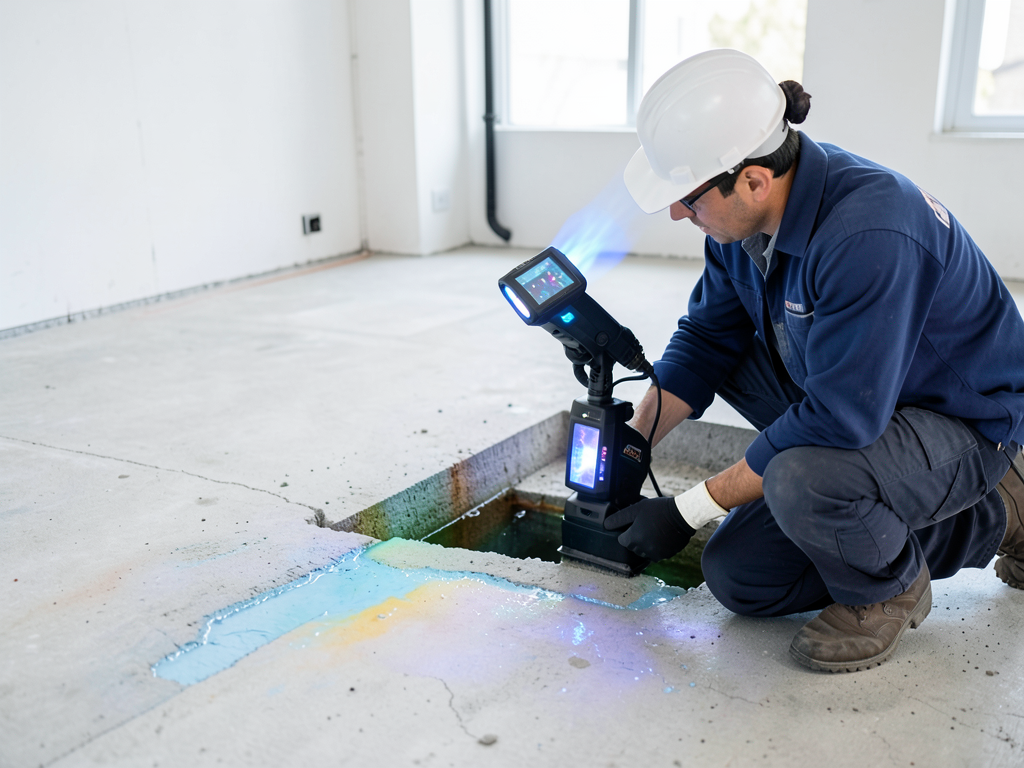
Diagram showing thermal imaging scan results with hot spots indicating water leak locations under concrete slab foundation.
Repair Options for Orlando Slab Leaks
Once we locate the leak, we recommend the best repair method based on your specific situation. Each option has different costs, timelines, and disruption levels.. Read more about Trenchless Sewer Line Repair in Dr. Phillips (Save Your Landscaping).
| Repair Method | Best For | Disruption Level | Typical Timeline |
|---|---|---|---|
| Spot Repair | Single accessible leak | High – requires jackhammering | 1-2 days |
| Repiping | Multiple leaks or old pipes | Medium – minimal demolition | 2-4 days |
| Tunneling | Leaks under load-bearing walls | Low – work done from outside | 3-5 days |
| Epoxy Lining | Multiple small leaks | Very low – no demolition | 1 day |
Spot repair involves cutting through the concrete slab to access the damaged pipe section. This works well for isolated leaks in accessible areas. However, if your pipes are old or show signs of widespread corrosion, spot repair might not be the most cost-effective long-term solution.
Tunneling is often the preferred method in Orlando. We dig a tunnel beneath your home’s foundation to access the pipes without damaging your floors. This approach is ideal when leaks are under load-bearing walls or when you want to avoid the mess and cost of interior demolition.
Epoxy pipe lining creates a new pipe within your existing pipes. We clean the interior, then coat it with epoxy that hardens to form a corrosion-resistant barrier. This trenchless method works for multiple small leaks but isn’t suitable for severe damage or collapsed pipes.
Repiping involves replacing the entire line rather than repairing individual sections. This makes sense when your pipes are near the end of their lifespan or when you have multiple leak locations. We can often route new pipes through walls or ceilings to avoid future slab leaks.. Read more about Deciding Between PEX and CPVC for Your Repiping Project in Apopka.
Why You Need Professional Help Immediately
Slab leaks are not DIY projects. Here’s why professional help matters:
Water damage spreads quickly. What starts as a small leak can saturate your foundation, creating the perfect environment for mold growth. Mold remediation costs far more than fixing the original leak.
Foundation damage compounds over time. Water erodes the soil beneath your slab, causing it to settle unevenly. This leads to cracks in walls, uneven floors, and doors that won’t close properly. These structural issues can cost tens of thousands to repair.
Insurance complications arise when you delay. Most homeowners insurance covers sudden water damage but not damage from neglected maintenance. If you ignore warning signs, you might pay for repairs out of pocket.
Health risks increase with every day you wait. Mold spores spread through your HVAC system, affecting air quality throughout your home. This can trigger allergies, asthma, and other respiratory issues for your family.
Insurance Coverage for Slab Leaks in Florida
Florida homeowners insurance typically covers sudden and accidental water damage from plumbing failures. However, coverage varies by policy and insurer. Here’s what usually applies:. Read more about Reliable Commercial Plumbing Services for Downtown Orlando Businesses.
Sudden pipe bursts are covered under most policies. If a pipe suddenly breaks and causes water damage, your insurance should pay for both the damage and the plumbing repair.
Gradual leaks are often excluded. Insurance companies consider slow leaks a maintenance issue rather than a sudden accident. This means damage from long-term slab leaks might not be covered.
Foundation damage coverage depends on the cause. If the leak causes your foundation to crack, some policies cover the foundation repair. Others only cover damage to finished surfaces like flooring and drywall.
Documentation is critical for claims. Take photos of all damage, keep receipts for emergency repairs, and document the leak’s discovery date. This evidence helps your insurance adjuster process your claim faster.
We work with insurance companies regularly. Our detailed inspection reports and repair estimates help streamline the claims process. We can also recommend water damage restoration specialists if needed.
Preventing Future Slab Leaks
While you can’t eliminate all risk, you can reduce your chances of future slab leaks:
Regular plumbing inspections catch problems early. We recommend annual inspections for homes over 10 years old, especially those with copper pipes under the slab.
Water pressure monitoring prevents stress on your pipes. High water pressure accelerates pipe wear and increases leak risk. A pressure-reducing valve can extend your plumbing system’s life.
Soil moisture management helps prevent shifting. Proper drainage around your home’s foundation reduces hydrostatic pressure and soil movement that stresses buried pipes.
Upgrade old pipes before they fail. If your home has copper pipes over 20 years old, consider proactive replacement. Modern PEX piping resists corrosion and handles soil movement better.
Install water leak detection systems. These devices monitor your plumbing 24/7 and alert you to leaks before they cause major damage. Some systems can even automatically shut off your water when they detect problems.
Technician using thermal imaging camera to scan concrete floor for temperature variations indicating hot water leak under slab.
What to Expect During the Repair Process
Understanding the repair process helps you prepare and reduces stress. Here’s what typically happens:
Initial inspection takes 1-2 hours. We use multiple detection methods to locate the leak precisely. You’ll receive a detailed report with our findings and recommendations.
Permit acquisition is required for most slab repairs in Orange County. We handle all permit paperwork and coordinate with local inspectors to ensure code compliance.
Preparation involves protecting your home. We cover furniture, seal off work areas, and set up dust containment systems. For tunneling jobs, we establish safe access points around your home’s perimeter.
The repair itself varies by method. Spot repairs take 1-2 days. Tunneling projects typically require 3-5 days. Epoxy lining can be completed in a single day.
Post-repair testing ensures everything works correctly. We pressure test the repaired lines and verify there are no additional leaks. We also check for any damage to surrounding areas.
Cleanup and restoration return your home to normal. We remove all debris, patch any access points, and clean the work area thoroughly. For tunnel jobs, we restore your landscaping to its original condition.
Cost Factors for Slab Leak Repair in Orlando
Slab leak repair costs vary based on several factors:
Location of the leak affects accessibility. Leaks under concrete slabs cost more to repair than those in accessible crawl spaces. Leaks under load-bearing walls require more complex repair methods.
Pipe material influences repair options. Copper pipes often require complete replacement rather than repair. PEX pipes can be more easily repaired or rerouted.
Extent of damage determines the scope. A single small leak costs less than multiple leaks or widespread corrosion that requires repiping.
Repair method choice impacts price. Epoxy lining is typically least expensive but not suitable for all situations. Tunneling costs more upfront but avoids interior demolition.
Foundation type affects complexity. Homes with post-tension slabs require special techniques and often cost more to repair than standard concrete slabs.
We provide detailed written estimates before starting any work. Our quotes include all labor, materials, permits, and cleanup. We never charge for initial inspections or estimates.
Emergency 24/7 Service for Orlando Slab Leaks
Slab leaks don’t wait for business hours. That’s why we offer 24/7 emergency service throughout Orlando and surrounding areas. When you call, you speak directly with a plumber, not a call center.
Emergency response typically arrives within 2 hours for urgent situations. We prioritize active leaks that threaten your home’s structure or cause flooding.
After-hours service includes the same diagnostic equipment and repair options as regular appointments. We don’t cut corners just because it’s late or a weekend.
Emergency fees are transparent. We explain all costs upfront before starting any work. Many emergency repairs can be completed in a single visit, minimizing disruption to your schedule.
Our emergency service covers all of Orange County, including Clermont, Poinciana, and surrounding communities. We maintain fully stocked service vehicles to handle most repairs immediately.
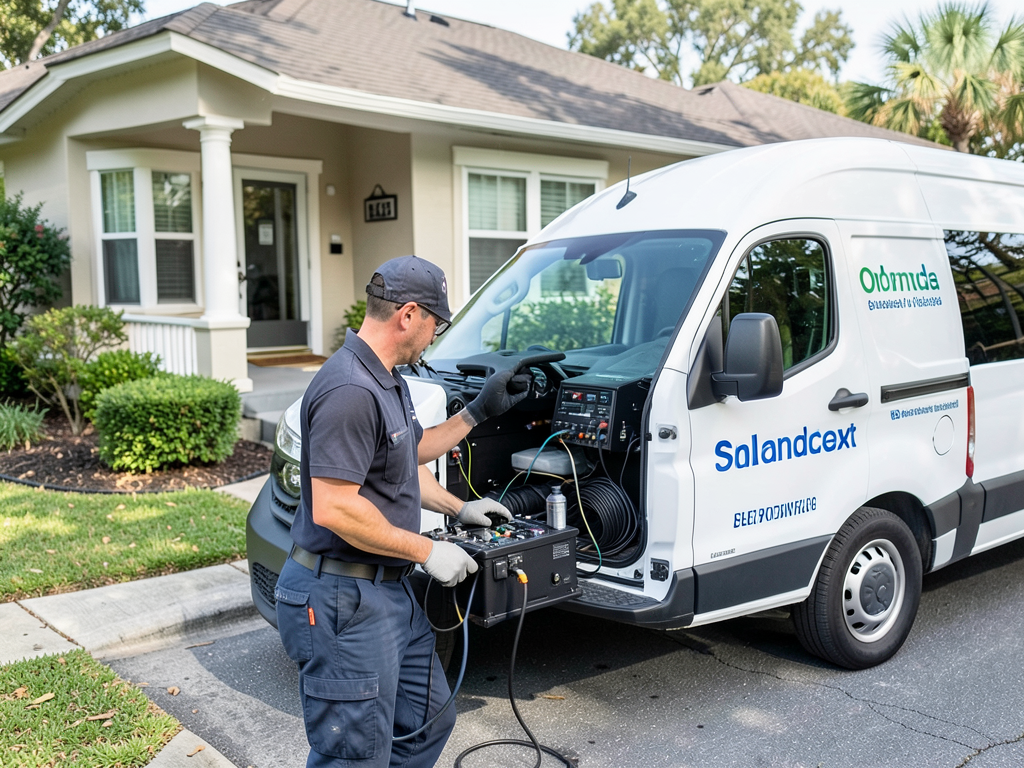
Service van parked outside Orlando home with technician preparing diagnostic equipment for slab leak detection inspection.
Frequently Asked Questions
How do I know if I have a slab leak or just a regular plumbing leak?
Slab leaks occur under your concrete foundation, while regular leaks are in accessible areas. Signs specific to slab leaks include hot spots on floors, foundation cracks, and water sounds through concrete. Professional detection equipment is needed to confirm a slab leak’s location.
How long can I wait to fix a slab leak?
You shouldn’t wait at all. Even small slab leaks worsen quickly, causing foundation damage, mold growth, and higher water bills. The longer you wait, the more expensive the repairs become. Emergency service is available 24/7 for active leaks.
Will my homeowners insurance cover slab leak repair?
Most policies cover sudden and accidental water damage but may exclude gradual leaks. Coverage varies by insurer and policy. We provide detailed inspection reports to help with insurance claims and can recommend restoration specialists if needed.
How much does slab leak repair cost in Orlando?
Costs range from $1,500 to $5,000+ depending on leak location, repair method, and extent of damage. Factors include accessibility, pipe material, and whether tunneling or interior demolition is required. We provide free written estimates before any work begins.
Can I fix a slab leak myself?
Slab leak repair requires specialized equipment, plumbing expertise, and often permits. DIY attempts can cause more damage and void insurance coverage. Professional repair ensures the problem is fixed correctly and prevents future issues.
Don’t Let a Small Leak Become a Big Problem
Slab leaks in Orlando homes are serious issues that require immediate professional attention. The sandy soil, high water table, and aging plumbing infrastructure in Central Florida create conditions where slab leaks are common but preventable with proper maintenance and timely repairs.
If you notice any warning signs – hot spots, running water sounds, high bills, or foundation cracks – don’t wait. Call (239) 467-5554 today to schedule your inspection. Our experienced technicians use advanced detection equipment to locate leaks quickly and recommend the most cost-effective repair solution.
Remember, a small leak today can become a foundation disaster tomorrow. Protect your home and your family’s health with professional slab leak detection and repair. We serve all of Orlando, including Clermont, Poinciana, and surrounding communities with 24/7 emergency service available.
Pick up the phone and call (239) 467-5554 before the next storm hits. Don’t let water damage compromise your home’s foundation and your family’s safety.
{
“@context”: “https://schema.org”,
“@type”: “BlogPosting”,
“headline”: “Warning Signs You Might Have a Slab Leak Under Your Orlando Foundation”,
“description”: “Spot the warning signs of a slab leak under your Orlando home. Learn how sandy soil and aging pipes cause foundation leaks and how to detect them before major damage.”,
“wordCount”: 2324,
“datePublished”: “2026-02-17T11:30:00.000Z”,
“dateModified”: “2026-02-17T11:30:00.000Z”,
“inLanguage”: “en-US”,
“mainEntityOfPage”: {
“@type”: “WebPage”,
“@id”: “https://grandplumbingorlando.com”
},
“publisher”: {
“@type”: “LocalBusiness”,
“name”: “Grand Plumbing Orlando”,
“url”: “https://grandplumbingorlando.com”
},
“author”: {
“@type”: “Organization”,
“name”: “Grand Plumbing Orlando”,
“url”: “https://grandplumbingorlando.com”
},
“image”: {
“@type”: “ImageObject”,
“url”: “https://grandplumbingorlando.com/wp-content/uploads/2026/03/warning-signs-you-might-have-a-slab-leak-under-you-1.png”
}
}
{
“@context”: “https://schema.org”,
“@type”: “Plumber”,
“name”: “Grand Plumbing Orlando”,
“url”: “https://grandplumbingorlando.com”,
“address”: {
“@type”: “PostalAddress”,
“addressLocality”: “Orlando”
},
“areaServed”: {
“@type”: “City”,
“name”: “Orlando”
}
}
{
“@context”: “https://schema.org”,
“@type”: “FAQPage”,
“mainEntity”: [
{
“@type”: “Question”,
“name”: “How do I know if I have a slab leak or just a regular plumbing leak?”,
“acceptedAnswer”: {
“@type”: “Answer”,
“text”: “Slab leaks occur under your concrete foundation, while regular leaks are in accessible areas. Signs specific to slab leaks include hot spots on floors, foundation cracks, and water sounds through concrete. Professional detection equipment is needed to confirm a slab leak’s location.”
}
},
{
“@type”: “Question”,
“name”: “How long can I wait to fix a slab leak?”,
“acceptedAnswer”: {
“@type”: “Answer”,
“text”: “You shouldn’t wait at all. Even small slab leaks worsen quickly, causing foundation damage, mold growth, and higher water bills. The longer you wait, the more expensive the repairs become. Emergency service is available 24/7 for active leaks.”
}
},
{
“@type”: “Question”,
“name”: “Will my homeowners insurance cover slab leak repair?”,
“acceptedAnswer”: {
“@type”: “Answer”,
“text”: “Most policies cover sudden and accidental water damage but may exclude gradual leaks. Coverage varies by insurer and policy. We provide detailed inspection reports to help with insurance claims and can recommend restoration specialists if needed.”
}
},
{
“@type”: “Question”,
“name”: “How much does slab leak repair cost in Orlando?”,
“acceptedAnswer”: {
“@type”: “Answer”,
“text”: “Costs range from $1,500 to $5,000+ depending on leak location, repair method, and extent of damage. Factors include accessibility, pipe material, and whether tunneling or interior demolition is required. We provide free written estimates before any work begins.”
}
},
{
“@type”: “Question”,
“name”: “Can I fix a slab leak myself?”,
“acceptedAnswer”: {
“@type”: “Answer”,
“text”: “Slab leak repair requires specialized equipment, plumbing expertise, and often permits. DIY attempts can cause more damage and void insurance coverage. Professional repair ensures the problem is fixed correctly and prevents future issues.”
}
}
]
}
{
“@context”: “https://schema.org”,
“@type”: “BreadcrumbList”,
“itemListElement”: [
{
“@type”: “ListItem”,
“position”: 1,
“name”: “Home”,
“item”: “https://grandplumbingorlando.com”
},
{
“@type”: “ListItem”,
“position”: 2,
“name”: “Blog”,
“item”: “https://grandplumbingorlando.com/blog”
},
{
“@type”: “ListItem”,
“position”: 3,
“name”: “Warning Signs You Might Have a Slab Leak Under Your Orlando Foundation”
}
]
}
{
“@context”: “https://schema.org”,
“@type”: “Service”,
“serviceType”: “Plumbing”,
“provider”: {
“@type”: “LocalBusiness”,
“name”: “Grand Plumbing Orlando”,
“url”: “https://grandplumbingorlando.com”
},
“areaServed”: {
“@type”: “City”,
“name”: “Orlando”
},
“description”: “Spot the warning signs of a slab leak under your Orlando home. Learn how sandy soil and aging pipes cause foundation leaks and how to detect them before major damage.”
}