
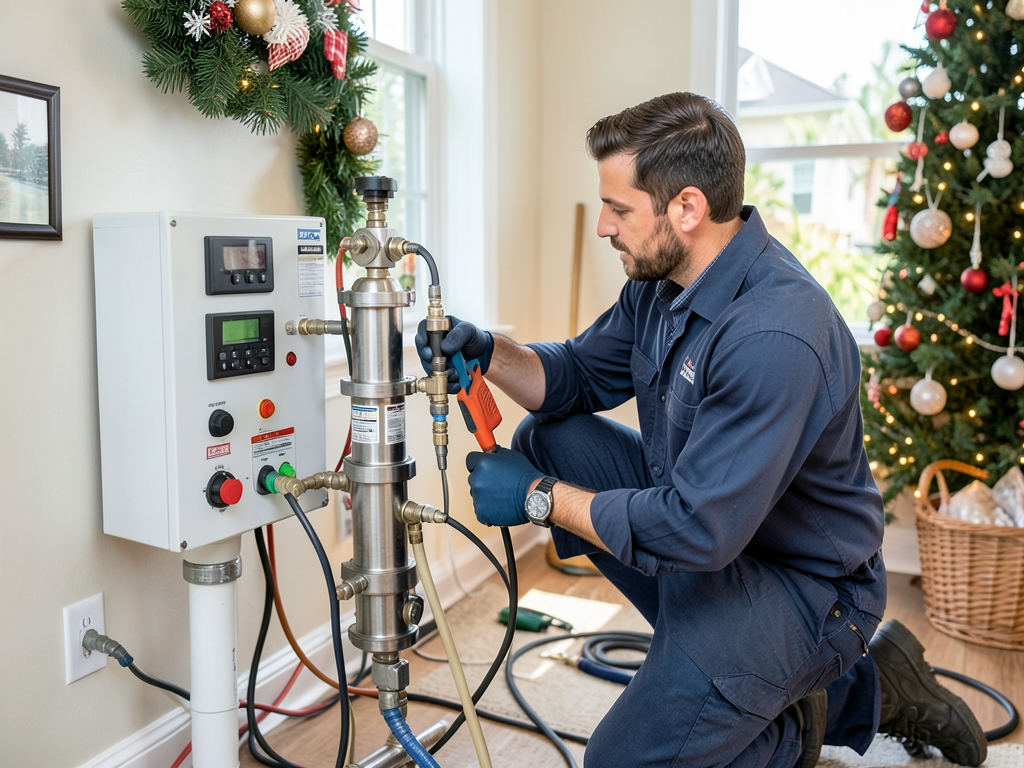
Getting Rid of the Rotten Egg Smell in Your Christmas Florida Well Water
If your Christmas Florida well water smells like rotten eggs, you are not alone. The sulfur smell comes from hydrogen sulfide gas in the Floridan Aquifer and affects thousands of homes across Central Florida’s rural areas. The good news is that the smell is treatable and does not mean your water is unsafe. The bad news is that without the right filtration system, the odor will keep coming back. Florida Department of Health.
The rotten egg smell in Christmas well water is caused by hydrogen sulfide gas. This gas forms naturally when organic matter breaks down underground in the limestone-rich aquifer that supplies water to East Orange County. The smell is most noticeable when you first turn on the tap or when hot water runs because heat releases the gas. The odor can also come from sulfate-reducing bacteria that thrive in well water systems. Is a Tankless Water Heater Right for Your Lake Nona Home?.
Homeowners in Christmas face unique water quality challenges because the area sits directly over the Floridan Aquifer where sulfur compounds are naturally present. The limestone geology allows hydrogen sulfide gas to dissolve into the groundwater. When this water is pumped into your home, the gas escapes and creates that unmistakable rotten egg odor.. Read more about Is a Tankless Water Heater Cheaper Over Ten Years for an Orlando Home?.
Is Sulfur in Your Water Dangerous?
Hydrogen sulfide in drinking water is not a health threat at the levels typically found in Central Florida wells. The Florida Department of Environmental Protection considers it an aesthetic issue rather than a health hazard. However, the gas can cause problems beyond the smell. EPA Private Drinking Water Wells.
Sulfur water corrodes metal pipes, plumbing fixtures, and water heaters. The corrosion creates black stains on silverware and plumbing fixtures. The gas also affects the taste of coffee, tea, and cooked foods. Some people report mild stomach upset from drinking sulfur water, though this is rare. Who to Call for a Plumbing Emergency in Winter Park After Hours.
The presence of hydrogen sulfide can indicate other water quality issues. Sulfate-reducing bacteria that produce the gas often live in well systems and can create slimy biofilms that clog pipes and reduce water flow. These bacteria can also produce other compounds that affect water quality.
The EPA does not regulate hydrogen sulfide in drinking water because it is not considered a health risk. However, the agency recommends treatment when the smell becomes noticeable. The Florida Department of Health suggests testing well water annually for bacteria and other contaminants, especially if you notice changes in taste, odor, or appearance.
Common Causes of Sulfur Smell in Orlando Wells
Hydrogen sulfide gas enters your water through several pathways. Understanding the source helps determine the right treatment solution.
The most common cause is the natural presence of hydrogen sulfide in the Floridan Aquifer. The limestone geology of Central Florida contains organic matter that decomposes and releases sulfur compounds into the groundwater. This affects all wells in areas like Christmas, Bithlo, and parts of east Orange County. Common Toilet Problems in Baldwin Park Townhomes and How We Fix Them.
Sulfate-reducing bacteria represent the second major cause. These bacteria live in oxygen-free environments and convert sulfate compounds into hydrogen sulfide gas. They thrive in water heaters, water softeners, and inside well casings. The bacteria multiply rapidly when water sits stagnant for days or weeks.
Water heater anode rods can create sulfur smells even in bacteria-free systems. Magnesium anode rods, commonly used to prevent tank corrosion, react with sulfate in the water to produce hydrogen sulfide gas. This creates a sulfur smell only in hot water and only when the water heater has been idle.. Read more about Why Your Taft Laundry Room Smells Like Sewer Gas (Even Without a Septic Tank).
Iron bacteria, while not directly producing hydrogen sulfide, often coexist with sulfate-reducing bacteria. These bacteria create slimy deposits that trap hydrogen sulfide and other compounds. The combination produces stronger odors and more severe water quality problems.
Well construction and maintenance affect sulfur levels. Wells with inadequate casing depth or poor seals allow surface water and bacteria to enter the system. Old wells with deteriorating casings provide perfect environments for bacteria growth.
Diagnostic Checklist: Identifying the Source
Before treating sulfur water, you need to identify the source. The diagnostic process takes about 15 minutes and helps determine the most effective treatment.
Start by checking whether the smell comes from both hot and cold water or just hot water. If only hot water smells, the problem likely involves your water heater or the magnesium anode rod. If both hot and cold water smell, the issue is in your well or the aquifer water.
Run each faucet for 30 seconds and smell the water. Does the odor fade after a few minutes or stay constant? A fading smell suggests bacteria in the pipes that clear out when water flows. A constant smell indicates hydrogen sulfide in the source water.
Check whether the smell is stronger in the morning when you first use water. This pattern suggests bacteria growing in stagnant water overnight. The odor should decrease after running water for a few minutes.
Inspect your water heater. If the sulfur smell only appears when running hot water and disappears when switching to cold, the anode rod is likely the culprit. This is especially true if the water heater is more than five years old.
Look for other signs of bacterial growth. Slimy deposits in toilet tanks, black stains on fixtures, or cloudy water when first drawn suggest sulfate-reducing bacteria. These bacteria often produce a rotten egg smell plus other water quality issues. Warning Signs You Might Have a Slab Leak Under Your Orlando Foundation.
Test your well water if you cannot identify the source. A basic water quality test costs about $150 and checks for hydrogen sulfide, bacteria, iron, and other common well water problems. This test provides concrete data for choosing the right treatment system.
Proven Solutions for Orlando Homeowners
Several treatment options effectively remove sulfur smells from well water. The best solution depends on your specific situation, water chemistry, and budget.
Chlorine injection systems provide the most comprehensive treatment for sulfur water. These systems automatically inject chlorine into your water supply, oxidizing hydrogen sulfide and killing bacteria. The chlorine reacts with hydrogen sulfide to form odorless compounds that filter out easily.
Chlorine injection systems work continuously, treating water as it enters your home. They handle high hydrogen sulfide levels and provide disinfection against bacteria. The systems require minimal maintenance beyond adding chlorine periodically and replacing filters annually.
Air induction and aeration systems offer chemical-free sulfur removal. These systems inject air into the water, converting dissolved hydrogen sulfide gas into solid sulfur particles that filter out. The process occurs in a pressure tank before water enters your home.
Aeration systems work best for moderate hydrogen sulfide levels under 10 parts per million. They require no chemicals and produce no disinfection byproducts. However, they need more maintenance than chlorine systems and may require larger equipment for high flow rates.
Activated carbon filtration removes low levels of hydrogen sulfide through adsorption. The carbon traps hydrogen sulfide molecules as water passes through. This method works for hydrogen sulfide levels below 1 part per million and when bacteria are not present.
Carbon filters require regular replacement because they saturate with contaminants. They provide no disinfection and can become breeding grounds for bacteria if not maintained properly. Carbon works best as a final polishing filter rather than primary treatment.
Hydrogen peroxide injection systems represent the modern alternative to chlorine. Hydrogen peroxide oxidizes hydrogen sulfide more effectively than chlorine and breaks down into water and oxygen without leaving chemical residues. The systems work similarly to chlorine injection but with better performance.
Peroxide systems handle higher hydrogen sulfide levels and provide better oxidation than chlorine. They leave no chlorine taste or odor and require less contact time. The main drawback is higher chemical costs compared to chlorine.
Shock chlorination treats existing bacteria but does not prevent recurrence. This process involves pouring bleach into your well and circulating it through your plumbing system. The chlorine kills bacteria and oxidizes hydrogen sulfide temporarily.
Shock chlorination provides immediate relief but lasts only weeks to months. Bacteria return from the aquifer and surrounding soil. This method works best as a first step before installing permanent treatment or when bacteria contamination occurs.
Water heater modifications address sulfur smells from anode rod reactions. Replacing magnesium anode rods with aluminum or powered anode rods stops the chemical reaction that produces hydrogen sulfide in hot water.
Anode rod replacement only works when the water heater is the sulfur source. If bacteria or aquifer hydrogen sulfide cause the smell, replacing the rod provides no benefit. This solution costs less than $200 but requires a plumber to install correctly.
Choosing the Right System for Your Christmas Home
Selecting the right sulfur treatment system requires understanding your water chemistry and household needs. Consider these factors when choosing a solution.
Hydrogen sulfide levels determine which systems work effectively. Levels above 10 parts per million require strong oxidizers like chlorine or hydrogen peroxide. Levels below 1 part per million may only need carbon filtration. Testing your water provides this critical information.
Water usage affects system sizing. A family of four uses about 300 gallons daily, requiring treatment systems that handle 10-15 gallons per minute flow rates. Larger homes or properties with irrigation systems need higher capacity equipment. Why Old Maitland Homes Often Need Complete Copper Repiping.
Existing plumbing infrastructure influences installation options. Some homes have space for large treatment tanks in garages or utility rooms. Others require compact systems that fit in small mechanical closets. Well pump capacity also limits which systems work without upgrades.
Maintenance preferences vary among homeowners. Chlorine systems need monthly chemical checks and annual filter changes. Aeration systems require cleaning every few months and occasional air pump maintenance. Carbon filters need replacement every 6-12 months.
Budget considerations include both upfront costs and ongoing expenses. Basic carbon filters cost $500-800 installed. Complete chlorine injection systems run $2,000-3,500. Hydrogen peroxide systems cost $2,500-3,800. Annual chemical costs range from $50-200 depending on the system.
Environmental concerns affect treatment choices. Chlorine produces disinfection byproducts and requires handling hazardous chemicals. Hydrogen peroxide breaks down completely and leaves no residues. Aeration uses no chemicals but may require more energy for air injection.
Professional installation ensures proper system function. Water treatment requires knowledge of plumbing, water chemistry, and local building codes. DIY installation often results in poor performance, leaks, or code violations that cost more to fix than professional installation.
Maintenance and Long-Term Care
Water treatment systems require regular maintenance to function properly. Neglecting maintenance reduces effectiveness and can create new water quality problems.
Chlorine injection systems need weekly checks of chemical levels and monthly inspections of injection pumps. The holding tanks require cleaning annually to prevent sediment buildup. Filter cartridges need replacement every 6-12 months depending on water quality.
Aeration systems require cleaning the air injection components every 2-3 months. The pressure tanks need annual cleaning to remove sulfur deposits. Air filters on the injection systems require replacement every 6 months.
Carbon filters lose effectiveness as they saturate with contaminants. Replace them when water flow decreases or sulfur smell returns. Most carbon filters last 6-12 months in sulfur applications. Some systems include automatic backwashing to extend filter life.
Shock chlorination every 6-12 months helps control bacteria in any water treatment system. This preventive maintenance kills bacteria that may grow in filters, tanks, or pipes. Follow the procedure carefully to avoid damaging plumbing fixtures with chlorine.
Water testing every 6-12 months verifies system performance. Test for hydrogen sulfide, bacteria, iron, and other parameters based on your initial water quality issues. Changes in test results indicate when maintenance or system adjustments are needed.
Well maintenance complements water treatment. Keep the well cap sealed and the area around the well clear of debris. Grade the ground to direct water away from the well casing. These steps prevent surface contamination that overwhelms treatment systems.
Monitor your water pressure and flow rates. Decreasing pressure often indicates filter clogging or system problems. Address these issues promptly to prevent complete system failure and extended periods without treatment.
Local Water Quality Factors in Christmas Florida
Christmas Florida’s unique geography creates specific water quality challenges. The area sits in the Atlantic Coastal Ridge, where limestone bedrock and sandy soils affect groundwater composition.
The Floridan Aquifer beneath Christmas contains higher natural hydrogen sulfide levels than areas closer to Orlando. The limestone bedrock includes organic-rich zones where sulfur compounds form naturally. Wells in Christmas often test 2-8 parts per million hydrogen sulfide, compared to 0.5-2 parts per million in western Orange County.
Seasonal water level changes affect sulfur concentrations. During dry seasons, the water table drops and concentrates hydrogen sulfide in remaining groundwater. This causes stronger sulfur smells in spring and early summer when rainfall is lowest.
Soil composition around Christmas wells influences water quality. The sandy soils allow rapid water infiltration but provide little natural filtration. This means surface contaminants and bacteria can quickly reach the aquifer and affect well water quality.
Local agricultural activities impact water chemistry. Fertilizer use increases sulfate levels in groundwater, providing more material for bacteria to convert to hydrogen sulfide. This creates a cycle where agricultural areas often have stronger sulfur problems.
Well depth affects sulfur exposure. Shallow wells in Christmas typically encounter more hydrogen sulfide because they draw from upper aquifer zones where organic matter is more concentrated. Deeper wells may avoid some sulfur but face other quality issues.
Orange County’s water quality reports show that rural eastern areas consistently test higher for hydrogen sulfide and sulfate than central and western parts of the county. This geographic pattern confirms that Christmas residents face unique water quality challenges requiring specific treatment approaches.
Professional Installation and Service
Water treatment system installation requires professional expertise to ensure proper function and code compliance. Improper installation creates more problems than it solves.
Professional installers understand local water chemistry and can recommend systems proven effective in Christmas and surrounding areas. They know which brands perform well in Florida’s specific conditions and which ones fail prematurely.
Installation involves more than connecting pipes. Proper system sizing requires calculating flow rates, pressure requirements, and chemical dosages. Incorrect sizing results in inadequate treatment or system damage from water hammer and pressure surges.
Building code compliance is essential for water treatment systems. Florida plumbing codes require specific installation methods, backflow prevention, and drainage for treatment equipment. Professional installers ensure your system meets all local requirements.
Warranty protection depends on professional installation. Most water treatment manufacturers void warranties if systems are not installed by licensed professionals. This means DIY installation can cost more long-term through lost warranty coverage.
Professional service includes system testing and adjustment after installation. Water chemistry varies by location, requiring fine-tuning of chemical dosages or air injection rates. Professionals have the testing equipment and experience to optimize system performance.
Emergency service availability matters when treatment systems fail. Professional installers provide repair services and can often fix problems the same day. This minimizes time without treated water and prevents damage from untreated sulfur water.
Regular maintenance contracts with professional services ensure your system continues working properly. Scheduled maintenance catches problems early and maintains optimal performance. Many companies offer annual service plans that cost less than individual service calls.
Cost Considerations and Return on Investment
Water treatment systems represent a significant investment but provide value through improved water quality and prevented damage. Understanding costs helps make informed decisions.
Basic sulfur removal systems cost $1,500-2,500 for small homes with low hydrogen sulfide levels. These include simple aeration or basic carbon filtration. They work for mild sulfur smells but may not handle severe cases.
Complete treatment systems for typical Christmas homes range from $2,500-4,000. These include chlorine injection or hydrogen peroxide systems with appropriate filtration. They handle moderate to high hydrogen sulfide levels and provide bacterial control.
High-capacity systems for large homes or properties with irrigation cost $4,000-6,000. These include commercial-grade equipment with larger tanks and higher flow rates. They handle multiple bathrooms, irrigation systems, and swimming pools.
Annual operating costs vary by system type. Chlorine systems cost $100-200 yearly for chemicals. Hydrogen peroxide systems cost $150-250. Carbon filter replacement costs $100-300 depending on filter size and replacement frequency.
Maintenance costs average $200-400 annually for professional service. This includes system checks, chemical refills, and filter replacements. DIY maintenance saves money but requires time and knowledge of water treatment systems.
Water heater replacement costs from sulfur corrosion range from $800-1,500. Treating sulfur water prevents these premature failures. The investment often pays for itself through avoided water heater replacements within 5-7 years.
Plumbing fixture replacement from sulfur corrosion costs $200-500 per fixture. Faucets, shower valves, and toilet parts corrode faster with sulfur water. Treatment systems prevent these replacement costs and extend fixture life.
Home resale value can increase with water treatment. Buyers often pay premiums for homes with proven water quality solutions. The investment typically returns 50-70% when selling, plus the benefit of faster sales in areas with known water quality issues.
Frequently Asked Questions
Why does my well water smell like rotten eggs only in the morning?
The smell is stronger in the morning because water sits stagnant in pipes overnight. Bacteria multiply in stagnant water and release more hydrogen sulfide gas. Running water for a few minutes flushes out the stagnant water and reduces the odor.
Can I drink water that smells like sulfur?
Yes, water with a sulfur smell is generally safe to drink. The hydrogen sulfide levels in well water are not harmful to health. However, the smell and taste make the water unpleasant. Some people may experience mild stomach upset from drinking sulfur water regularly.
How long does sulfur water treatment last?
Professional sulfur treatment systems typically last 10-15 years with proper maintenance. The treatment media, filters, and chemical injection components need replacement every 1-5 years depending on the system type. Well pumps and pressure tanks may need replacement during this period.
Will a water softener remove the sulfur smell?
Standard water softeners do not remove hydrogen sulfide or sulfur odors. Water softeners only remove hardness minerals like calcium and magnesium. Some combination systems include sulfur removal media, but a basic softener alone will not fix sulfur water problems.
How much does it cost to treat sulfur water in Christmas Florida?
Treatment costs range from $1,500-4,000 for complete systems, depending on hydrogen sulfide levels and household size. Annual operating costs run $200-400 for chemicals and maintenance. Most homeowners find the investment worthwhile for improved water quality and prevented plumbing damage.
Take Action Today
Living with sulfur-smelling water is unnecessary and costly over time. The rotten egg odor indicates treatable water quality issues that affect your home’s plumbing, appliances, and daily comfort. Professional water treatment provides immediate relief and long-term protection.
Getting rid of sulfur water starts with water testing to identify the specific problems in your well. This $150 test provides the data needed to recommend the right treatment system for your Christmas home. Without testing, you risk buying equipment that cannot handle your water chemistry.
Professional installation ensures your treatment system works correctly from day one. Licensed plumbers understand local water conditions, building codes, and proper system sizing. They provide warranties and ongoing service that protect your investment.
The cost of doing nothing exceeds treatment costs over time. Sulfur water corrodes water heaters, plumbing fixtures, and appliances. It stains laundry and plumbing fixtures. It makes drinking water unpleasant and affects food taste. Treatment prevents these ongoing costs.
Christmas Florida residents deserve clean, odor-free water from their wells. Modern treatment systems can eliminate sulfur smells and provide water quality that matches or exceeds city water supplies. The technology exists today to solve these age-old well water problems.
Call (239) 467-5554 today to schedule your water quality test. Our experienced technicians serve Christmas and all of East Orange County with proven sulfur treatment solutions. Stop living with rotten egg water and start enjoying clean, fresh water throughout your home.
Don’t wait for sulfur water to damage your plumbing or make your home uncomfortable. The longer you wait, the more damage occurs and the more it costs to fix. Professional water treatment is an investment in your home’s value and your family’s comfort.
Pick up the phone and call (239) 467-5554 before the next holiday gathering. Your guests will notice the sulfur smell, and you will notice their reactions. Clean water shows you care about your home and the people in it.
Water quality problems don’t improve on their own. They get worse over time as pipes corrode and bacteria multiply. Take control of your water quality today with professional sulfur treatment from experienced local plumbers who understand Christmas Florida’s unique water challenges.
You may also find this helpful. How to Stop the High Pitched Whistling Noise in Your Holden Heights Pipes.
{
“@context”: “https://schema.org”,
“@type”: “BlogPosting”,
“headline”: “Getting Rid of the Rotten Egg Smell in Your Christmas Florida Well Water”,
“description”: “Stop the sulfur smell in your Christmas well water. Learn why Central Florida’s limestone causes hydrogen sulfide and how to fix it with proven local solutions.”,
“wordCount”: 3452,
“datePublished”: “2026-04-27T14:01:00.000Z”,
“dateModified”: “2026-04-27T14:01:00.000Z”,
“inLanguage”: “en-US”,
“mainEntityOfPage”: {
“@type”: “WebPage”,
“@id”: “https://grandplumbingorlando.com”
},
“publisher”: {
“@type”: “LocalBusiness”,
“name”: “Grand Plumbing Orlando”,
“url”: “https://grandplumbingorlando.com”
},
“author”: {
“@type”: “Organization”,
“name”: “Grand Plumbing Orlando”,
“url”: “https://grandplumbingorlando.com”
},
“image”: {
“@type”: “ImageObject”,
“url”: “https://grandplumbingorlando.com/wp-content/uploads/2026/03/getting-rid-of-the-rotten-egg-smell-in-your-christ-1.png”
}
}
{
“@context”: “https://schema.org”,
“@type”: “Plumber”,
“name”: “Grand Plumbing Orlando”,
“url”: “https://grandplumbingorlando.com”,
“address”: {
“@type”: “PostalAddress”,
“addressLocality”: “Orlando”
},
“areaServed”: {
“@type”: “City”,
“name”: “Orlando”
}
}
{
“@context”: “https://schema.org”,
“@type”: “FAQPage”,
“mainEntity”: [
{
“@type”: “Question”,
“name”: “Is Sulfur in Your Water Dangerous?”,
“acceptedAnswer”: {
“@type”: “Answer”,
“text”: “Hydrogen sulfide in drinking water is not a health threat at the levels typically found in Central Florida wells. The Florida Department of Environmental Protection considers it an aesthetic issue rather than a health hazard. However, the gas can cause problems beyond the smell. EPA Private Drinking Water Wells.”
}
},
{
“@type”: “Question”,
“name”: “Why does my well water smell like rotten eggs only in the morning?”,
“acceptedAnswer”: {
“@type”: “Answer”,
“text”: “The smell is stronger in the morning because water sits stagnant in pipes overnight. Bacteria multiply in stagnant water and release more hydrogen sulfide gas. Running water for a few minutes flushes out the stagnant water and reduces the odor.”
}
},
{
“@type”: “Question”,
“name”: “Can I drink water that smells like sulfur?”,
“acceptedAnswer”: {
“@type”: “Answer”,
“text”: “Yes, water with a sulfur smell is generally safe to drink. The hydrogen sulfide levels in well water are not harmful to health. However, the smell and taste make the water unpleasant. Some people may experience mild stomach upset from drinking sulfur water regularly.”
}
},
{
“@type”: “Question”,
“name”: “How long does sulfur water treatment last?”,
“acceptedAnswer”: {
“@type”: “Answer”,
“text”: “Professional sulfur treatment systems typically last 10-15 years with proper maintenance. The treatment media, filters, and chemical injection components need replacement every 1-5 years depending on the system type. Well pumps and pressure tanks may need replacement during this period.”
}
},
{
“@type”: “Question”,
“name”: “Will a water softener remove the sulfur smell?”,
“acceptedAnswer”: {
“@type”: “Answer”,
“text”: “Standard water softeners do not remove hydrogen sulfide or sulfur odors. Water softeners only remove hardness minerals like calcium and magnesium. Some combination systems include sulfur removal media, but a basic softener alone will not fix sulfur water problems.”
}
},
{
“@type”: “Question”,
“name”: “How much does it cost to treat sulfur water in Christmas Florida?”,
“acceptedAnswer”: {
“@type”: “Answer”,
“text”: “Treatment costs range from $1,500-4,000 for complete systems, depending on hydrogen sulfide levels and household size. Annual operating costs run $200-400 for chemicals and maintenance. Most homeowners find the investment worthwhile for improved water quality and prevented plumbing damage.”
}
}
]
}
{
“@context”: “https://schema.org”,
“@type”: “BreadcrumbList”,
“itemListElement”: [
{
“@type”: “ListItem”,
“position”: 1,
“name”: “Home”,
“item”: “https://grandplumbingorlando.com”
},
{
“@type”: “ListItem”,
“position”: 2,
“name”: “Blog”,
“item”: “https://grandplumbingorlando.com/blog”
},
{
“@type”: “ListItem”,
“position”: 3,
“name”: “Getting Rid of the Rotten Egg Smell in Your Christmas Florida Well Water”
}
]
}
{
“@context”: “https://schema.org”,
“@type”: “Service”,
“serviceType”: “Plumbing”,
“provider”: {
“@type”: “LocalBusiness”,
“name”: “Grand Plumbing Orlando”,
“url”: “https://grandplumbingorlando.com”
},
“areaServed”: {
“@type”: “City”,
“name”: “Orlando”
},
“description”: “Stop the sulfur smell in your Christmas well water. Learn why Central Florida’s limestone causes hydrogen sulfide and how to fix it with proven local solutions.”
}