
Managing Pipe Condensation and Sweating During the Humid Orlando Summer
When you see water dripping from your pipes in Orlando’s summer heat, your first thought might be a leak. But in Central Florida’s tropical climate, what you’re seeing is often pipe condensation – a common issue that affects thousands of homes across Winter Park, Lake Nona, and the surrounding areas. Florida Building Code.
Pipe sweating happens when cold water inside your plumbing meets the warm, humid air outside. In Orlando’s summer months, when outdoor humidity regularly exceeds 85% and indoor air can reach 78°F or higher, this temperature difference creates the perfect conditions for condensation to form on your pipes. Is a Tankless Water Heater Right for Your Lake Nona Home?.
The Science Behind Sweating Pipes in Central Florida
Understanding why pipes sweat requires knowing about the dew point – the temperature at which water vapor in the air turns to liquid. In Orlando’s climate, our dew point often sits between 70-75°F during summer months.
When cold water flows through your copper or PVC pipes, the pipe surface temperature drops to match the water temperature, typically 45-55°F for cold water lines. If the pipe surface temperature falls below the dew point of the surrounding air, moisture forms on the exterior.
This process accelerates in unconditioned spaces like attics, crawlspaces, and garages where air circulation is limited and temperatures can soar above 90°F. The temperature differential between cold water lines and hot attic air can exceed 40 degrees – creating ideal conditions for condensation.

Diagram showing dew point relationship between pipe temperature and ambient humidity in Orlando’s climate
Is It a Leak or Condensation? The Orlando Homeowner’s Test
Before you call a plumber, you need to determine if you’re dealing with condensation or an actual leak. Here’s a simple test Orlando homeowners can perform:
- Visual Inspection
Check if moisture appears uniformly across the pipe surface or only at specific points. Condensation creates a uniform film, while leaks drip from single locations.
- The Wipe Test
Thoroughly dry the pipe with a clean cloth. If moisture returns within 5-10 minutes across the entire pipe section, it’s condensation. If water continues dripping from one spot, you have a leak.
- Temperature Check
Feel the pipe. Condensation feels cool and slightly damp. A leaking pipe often feels warm if it’s hot water, or you might feel water actively flowing from the leak point.
In Orlando’s climate, condensation typically appears on cold water supply lines, especially in these vulnerable areas:
- Attic plumbing runs above insulation
- Garage water heaters and supply lines
- Under-sink plumbing in kitchens and bathrooms
- Outdoor hose bibs and irrigation lines
Step-by-Step Fixes for Orlando Homeowners
Managing pipe condensation requires addressing both the pipe temperature and the surrounding humidity. Here’s how Orlando residents can tackle this problem:
1. Pipe Insulation: Your First Defense
Proper insulation creates a thermal barrier between your cold pipes and the humid air. In Orlando’s climate, closed-cell polyethylene foam insulation works best because it resists moisture absorption.
| Insulation Type | R-Value per Inch | Moisture Resistance | Best For Orlando |
|---|---|---|---|
| Closed-cell foam | 3.5-4.0 | Excellent | ✅ Recommended |
| Fiberglass | 2.2-2.9 | Poor (absorbs moisture) | ❌ Not recommended |
| Rubber insulation | 3.0-3.3 | Good | ✅ Good option |
For maximum effectiveness in Orlando’s humidity, choose insulation with a built-in vapor barrier. The Florida Building Code (FBC) Chapter 53 requires a minimum R-4 insulation for cold water pipes in unconditioned spaces.
2. Securing the Vapor Barrier
Even the best insulation fails if moisture can reach the pipe. Seal all joints and seams with moisture-resistant tape rated for plumbing applications. Pay special attention to pipe connections, valves, and fittings where condensation often starts. Who to Call for a Plumbing Emergency in Winter Park After Hours.
3. Reducing Ambient Humidity
Controlling the air around your pipes is crucial. In Orlando’s climate, this means:
- Installing dehumidifiers in unconditioned spaces
- Improving attic ventilation to reduce heat buildup
- Sealing air leaks that let humid outdoor air enter your home
The EPA recommends maintaining indoor humidity between 30-50% to prevent condensation and mold growth. In Orlando summers, this often requires mechanical dehumidification. EPA Mold Information.
When to Call an Orlando Professional
While many condensation issues can be handled by homeowners, certain situations require professional expertise:
Persistent Moisture Problems – If you’ve insulated pipes but still see condensation, you might have hidden humidity sources or inadequate ventilation. A professional can perform moisture readings and identify problem areas.
Mold Growth – Condensation creates ideal conditions for mold, which can spread quickly in Orlando’s humid climate. If you notice black spots or musty odors near pipes, you need immediate professional intervention.
Complex Plumbing Systems – Multi-story homes in Doctor Phillips or large commercial properties in Lake Nona often have complex plumbing that requires specialized knowledge to properly insulate and protect.
Building Code Compliance – Orlando’s building codes have specific requirements for pipe insulation in different climate zones. Professional plumbers understand these requirements and ensure your work passes inspection.
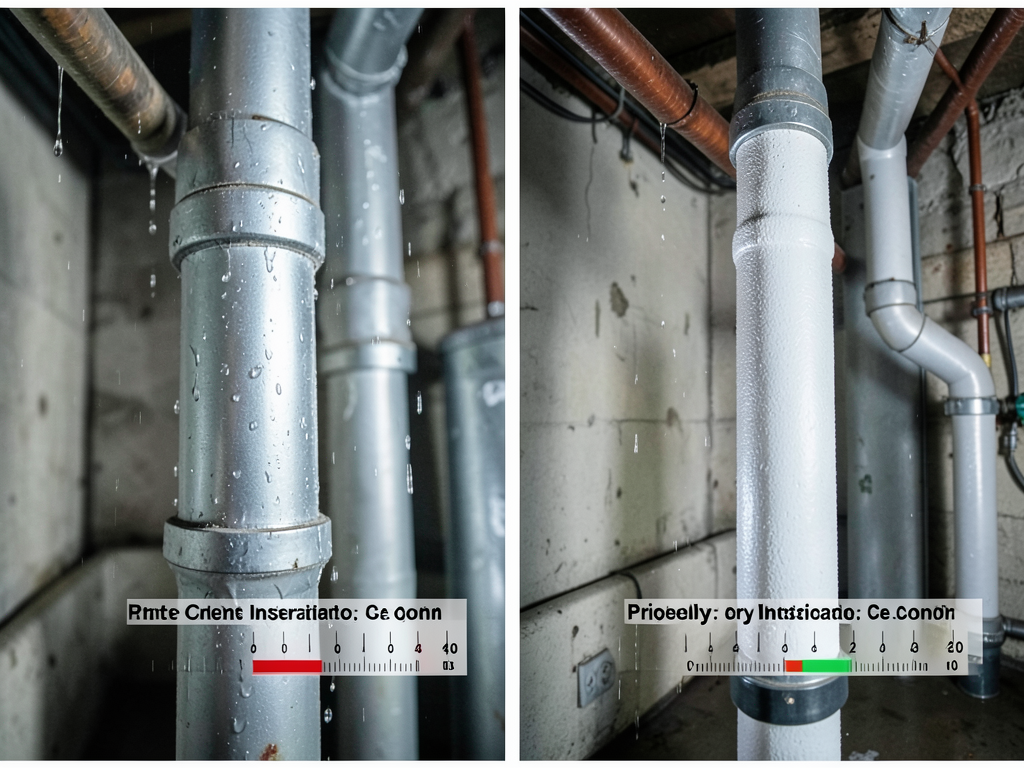
Photo of properly insulated pipes in an Orlando attic showing vapor barrier installation
The Hidden Dangers of Untreated Pipe Condensation
Many Orlando homeowners underestimate the damage condensation can cause. Beyond the immediate moisture, untreated pipe sweating leads to:
Mold and Mildew Growth – Within 24-48 hours, mold can begin growing on damp surfaces. In Orlando’s climate, this process happens even faster. Mold remediation costs in Central Florida average $2,000-$6,000.
Structural Damage – Prolonged moisture exposure can damage wood framing, drywall, and insulation. The sandy soil in areas like Clermont can shift when wet, potentially affecting your home’s foundation.
Electrical Hazards – Water and electricity don’t mix. Condensation near electrical panels or wiring creates serious safety risks. The National Electrical Code (NEC) Article 110.3 requires protection of electrical equipment from moisture.
Increased Energy Costs – When pipes sweat, your water heater works harder to maintain temperature, and your air conditioner runs longer to remove excess humidity from your home.
Orlando-Specific Considerations for Pipe Protection
Living in Central Florida presents unique challenges for pipe condensation management:
Seasonal Variations – Orlando’s climate means dealing with both extreme summer humidity and occasional winter cold snaps. Your insulation strategy needs to work year-round.
Building Age – Many homes in Winter Park and College Park were built before modern insulation standards. These older homes often lack proper vapor barriers and may have uninsulated pipes in unconditioned spaces.
Soil Conditions – Orlando’s sandy soil can shift with moisture changes, potentially stressing underground pipes and creating areas where condensation is more likely to occur.
Local Building Practices – Many Orlando homes use slab-on-grade construction, which means plumbing runs through attic spaces where temperatures fluctuate dramatically.
Prevention Strategies for Orlando’s Climate
The best approach to pipe condensation is prevention. Here are strategies that work specifically in Orlando’s climate:
Pre-Installation Planning – When building or renovating in Orlando, consider pipe routing. Keep cold water lines away from unconditioned attic spaces when possible. The Florida Building Code encourages minimizing pipe runs through unconditioned areas.
Smart Insulation Choices – Use insulation with an R-value appropriate for Orlando’s climate zone (Zone 2). The International Energy Conservation Code (IECC) recommends R-4 minimum for cold water pipes in our region.
Humidity Control Systems – Whole-house dehumidification systems can maintain optimal humidity levels year-round. In Orlando, where outdoor humidity often exceeds 80%, these systems are particularly valuable.
Regular Maintenance – Schedule annual plumbing inspections to catch early signs of condensation problems before they cause major damage.
Photo showing before and after pipe insulation installation in an Orlando garage
Cost Considerations for Orlando Homeowners
Addressing pipe condensation in Orlando varies significantly in cost depending on your approach:
- DIY Insulation: $1-3 per linear foot of pipe
- Professional Insulation Installation: $3-7 per linear foot
- Whole-House Dehumidification: $3,000-7,000 installed
- Mold Remediation: $2,000-6,000 (if condensation is left untreated)
Investing in proper insulation upfront typically costs less than addressing water damage and mold issues later.
Frequently Asked Questions
Why do my pipes only sweat during summer months in Orlando?
Pipe sweating is most common during summer because that’s when Orlando experiences the highest humidity levels and greatest temperature differentials between cold water and ambient air. Winter months rarely create the conditions necessary for condensation to form. Common Toilet Problems in Baldwin Park Townhomes and How We Fix Them.
Can pipe condensation cause my water bill to increase?
Direct condensation doesn’t increase your water usage, but the secondary effects can. Mold growth may require more frequent cleaning, and if condensation leads to pipe corrosion, you might develop actual leaks that waste water.
How long does pipe insulation last in Orlando’s climate?
Quality pipe insulation in Orlando typically lasts 10-15 years. However, the intense UV exposure in attics and garages, combined with our humidity, can reduce lifespan. Annual inspections help identify when replacement is needed.
Is pipe sweating covered by homeowners insurance in Orlando?
Most standard policies don’t cover condensation damage because it’s considered a maintenance issue. However, if condensation leads to mold or water damage that affects other property, you might have coverage depending on your specific policy terms.
Should I be concerned about condensation on my water heater pipes?
Yes. Water heater supply lines are particularly vulnerable because they often run through unconditioned spaces. Condensation here can damage the water heater itself and surrounding materials. Insulating these pipes is especially important in Orlando garages.
Take Action Against Pipe Condensation Today
Pipe condensation might seem like a minor nuisance, but in Orlando’s humid climate, it can quickly escalate into costly repairs and health hazards. Whether you’re in Winter Park, Lake Nona, or anywhere in between, addressing this issue now can save you thousands in potential damage. Plumbing Repair Cost Guide 2026.
Don’t let pipe sweating damage your home. Call (239) 467-5554 today to schedule a professional inspection. Our Orlando plumbing experts understand the unique challenges of Central Florida’s climate and can provide solutions that protect your home year-round. Plumbing Clermont.
Pick up the phone and call (239) 467-5554 before the next summer storm hits. Your home deserves protection from Orlando’s humidity, and we’re here to provide it.
Ready to stop pipe sweating for good? Contact us at (239) 467-5554 or visit our website to schedule your inspection. We serve all of Orlando and surrounding communities with fast, reliable plumbing solutions.
You may also find this helpful. Why Your AC Drain Line Keeps Backing Up (And How a Meadow Woods Plumber Can Help).
You may also find this helpful. How to Stop the High Pitched Whistling Noise in Your Holden Heights Pipes.
You may also find this helpful. Replacing Moldy Bathroom Caulk to Prevent Hidden Water Damage in Tangelo Park.
{
“@context”: “https://schema.org”,
“@type”: “BlogPosting”,
“headline”: “Managing Pipe Condensation and Sweating During the Humid Orlando Summer”,
“description”: “Stop pipe condensation in Orlando’s humid summers. Learn to identify sweating pipes, prevent mold growth, and protect your plumbing from Florida’s high humidity.”,
“wordCount”: 1706,
“datePublished”: “2026-05-07T09:58:00.000Z”,
“dateModified”: “2026-05-07T09:58:00.000Z”,
“inLanguage”: “en-US”,
“mainEntityOfPage”: {
“@type”: “WebPage”,
“@id”: “https://grandplumbingorlando.com”
},
“publisher”: {
“@type”: “LocalBusiness”,
“name”: “Grand Plumbing Orlando”,
“url”: “https://grandplumbingorlando.com”
},
“author”: {
“@type”: “Organization”,
“name”: “Grand Plumbing Orlando”,
“url”: “https://grandplumbingorlando.com”
},
“image”: {
“@type”: “ImageObject”,
“url”: “https://grandplumbingorlando.com/wp-content/uploads/2026/03/managing-pipe-condensation-and-sweating-during-the-1.png”
}
}
{
“@context”: “https://schema.org”,
“@type”: “Plumber”,
“name”: “Grand Plumbing Orlando”,
“url”: “https://grandplumbingorlando.com”,
“address”: {
“@type”: “PostalAddress”,
“addressLocality”: “Orlando”
},
“areaServed”: {
“@type”: “City”,
“name”: “Orlando”
}
}
{
“@context”: “https://schema.org”,
“@type”: “FAQPage”,
“mainEntity”: [
{
“@type”: “Question”,
“name”: “Why do my pipes only sweat during summer months in Orlando?”,
“acceptedAnswer”: {
“@type”: “Answer”,
“text”: “Pipe sweating is most common during summer because that’s when Orlando experiences the highest humidity levels and greatest temperature differentials between cold water and ambient air. Winter months rarely create the conditions necessary for condensation to form. Common Toilet Problems in Baldwin Park Townhomes and How We Fix Them.”
}
},
{
“@type”: “Question”,
“name”: “Can pipe condensation cause my water bill to increase?”,
“acceptedAnswer”: {
“@type”: “Answer”,
“text”: “Direct condensation doesn’t increase your water usage, but the secondary effects can. Mold growth may require more frequent cleaning, and if condensation leads to pipe corrosion, you might develop actual leaks that waste water.”
}
},
{
“@type”: “Question”,
“name”: “How long does pipe insulation last in Orlando’s climate?”,
“acceptedAnswer”: {
“@type”: “Answer”,
“text”: “Quality pipe insulation in Orlando typically lasts 10-15 years. However, the intense UV exposure in attics and garages, combined with our humidity, can reduce lifespan. Annual inspections help identify when replacement is needed.”
}
},
{
“@type”: “Question”,
“name”: “Is pipe sweating covered by homeowners insurance in Orlando?”,
“acceptedAnswer”: {
“@type”: “Answer”,
“text”: “Most standard policies don’t cover condensation damage because it’s considered a maintenance issue. However, if condensation leads to mold or water damage that affects other property, you might have coverage depending on your specific policy terms.”
}
},
{
“@type”: “Question”,
“name”: “Should I be concerned about condensation on my water heater pipes?”,
“acceptedAnswer”: {
“@type”: “Answer”,
“text”: “Yes. Water heater supply lines are particularly vulnerable because they often run through unconditioned spaces. Condensation here can damage the water heater itself and surrounding materials. Insulating these pipes is especially important in Orlando garages.”
}
}
]
}
{
“@context”: “https://schema.org”,
“@type”: “HowTo”,
“name”: “How to Test for Pipe Condensation”,
“step”: [
{
“@type”: “HowToStep”,
“position”: 1,
“name”: “Visual Inspection”,
“text”: “Check if moisture appears uniformly across the pipe surface or only at specific points. Condensation creates a uniform film, while leaks drip from single locations.”
},
{
“@type”: “HowToStep”,
“position”: 2,
“name”: “The Wipe Test”,
“text”: “Thoroughly dry the pipe with a clean cloth. If moisture returns within 5-10 minutes across the entire pipe section, it’s condensation. If water continues dripping from one spot, you have a leak.”
},
{
“@type”: “HowToStep”,
“position”: 3,
“name”: “Temperature Check”,
“text”: “Feel the pipe. Condensation feels cool and slightly damp. A leaking pipe often feels warm if it’s hot water, or you might feel water actively flowing from the leak point.”
}
],
“image”: “https://grandplumbingorlando.com/wp-content/uploads/2026/03/managing-pipe-condensation-and-sweating-during-the-1.png”
}
{
“@context”: “https://schema.org”,
“@type”: “BreadcrumbList”,
“itemListElement”: [
{
“@type”: “ListItem”,
“position”: 1,
“name”: “Home”,
“item”: “https://grandplumbingorlando.com”
},
{
“@type”: “ListItem”,
“position”: 2,
“name”: “Blog”,
“item”: “https://grandplumbingorlando.com/blog”
},
{
“@type”: “ListItem”,
“position”: 3,
“name”: “Managing Pipe Condensation and Sweating During the Humid Orlando Summer”
}
]
}
{
“@context”: “https://schema.org”,
“@type”: “Service”,
“serviceType”: “Plumbing”,
“provider”: {
“@type”: “LocalBusiness”,
“name”: “Grand Plumbing Orlando”,
“url”: “https://grandplumbingorlando.com”
},
“areaServed”: {
“@type”: “City”,
“name”: “Orlando”
},
“description”: “Stop pipe condensation in Orlando’s humid summers. Learn to identify sweating pipes, prevent mold growth, and protect your plumbing from Florida’s high humidity.”
}