
What Are the Mysterious Black Flakes Coming Out of Your Lake Cherokee Faucets?
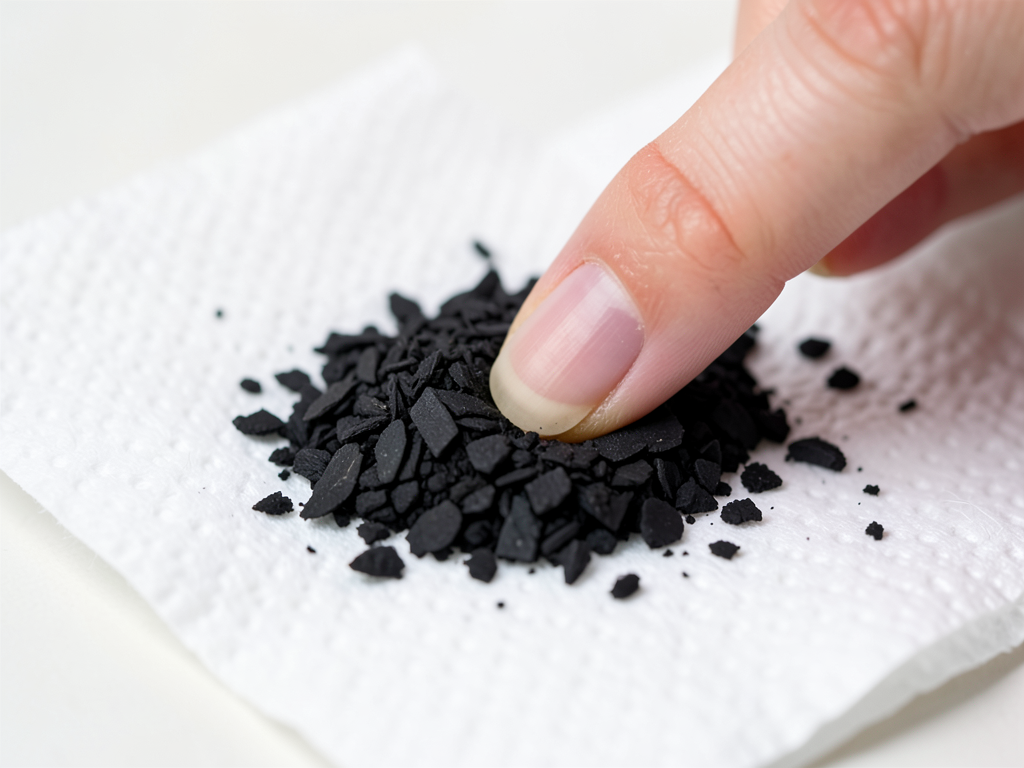
Finding black flakes in your tap water is alarming. In Lake Cherokee, Orlando, those flakes often signal a degrading rubber gasket or a failing water heater flex line. The Florida heat and mineral-rich water from the Floridan Aquifer accelerate rubber breakdown, causing tiny rubber particles to flake off into your water supply. Before you panic, run the simple “smush test” – rub a flake between your fingers. If it smears like rubber, you’ve found your culprit. If it crumbles, it might be manganese or iron deposits common in Central Florida water. This guide walks you through identifying the source, understanding the health implications, and choosing the right fix for your home.. Read more about Why Your Refrigerator Water Tastes Like Chlorine in Azalea Park.
Identifying the Flakes: The ‘Smush Test’
The first step is figuring out what you’re dealing with. Take a few black flakes and place them on a paper towel. Using your thumb and forefinger, press and roll the flake. Here’s what you’ll learn:
- Rubber Smear Test
If the flake smears and leaves a black streak like pencil lead, it’s likely degraded rubber from a supply line, toilet flapper, or water heater hose. Florida’s heat and humidity break down rubber faster than in cooler climates.. Read more about Which is Better for Lake Nona Water (Salt-Based or Salt-Free Softeners?).
- Mineral Crumble Test
If the flake crumbles into a dark powder, you’re likely looking at oxidized manganese or iron. These minerals occur naturally in the Floridan Aquifer and can precipitate out when water sits in pipes or tanks.
- Carbon Dust Test
If the flake feels gritty and leaves a grayish dust, it could be activated carbon escaping from a failing whole-house water filter. This happens when the filter’s internal media breaks down.. Read more about Whole House Carbon Filters vs Reverse Osmosis (Which One Do You Actually Need in Winter Springs?).
Common Causes of Black Flakes in Central Florida Plumbing
Orlando’s unique water chemistry and climate create specific failure patterns in home plumbing systems. Here are the most common sources of black flakes in Lake Cherokee homes: Who to Call for a Plumbing Emergency in Winter Park After Hours.
Degrading Rubber Gaskets and Supply Lines
Central Florida’s heat and humidity accelerate rubber degradation. Flexible supply lines under sinks, toilet flappers, and water heater hoses contain rubber components that break down over time. The combination of high temperatures in attics and garages plus the mineral content in Orlando’s water creates the perfect storm for rubber failure. You’ll typically see these flakes appear first in hot water lines or fixtures closest to water heaters.
Manganese or Iron Deposits from the Floridan Aquifer
Orlando’s water comes from the Floridan Aquifer, which contains dissolved manganese and iron. When water sits in pipes or tanks, especially in hot conditions, these minerals can oxidize and form black or brown deposits. Manganese appears as fine black particles that settle in toilet tanks and on faucet aerators. The Orange County Utilities water quality report shows manganese levels that, while safe, can cause staining and sediment in some homes. Why Old Maitland Homes Often Need Complete Copper Repiping.
Disintegrating Water Heater Anode Rods
Water heaters contain sacrificial anode rods that protect the tank from corrosion. In Orlando’s mineral-rich water, these rods deteriorate faster than in other regions. When the anode rod breaks down, it releases black or gray debris into the tank. This material then exits through hot water lines, especially noticeable when you first turn on hot water after periods of non-use.
Granular Activated Carbon (GAC) from Failing Whole-House Filters
Many Lake Cherokee homes have whole-house water filtration systems. These systems use granular activated carbon to remove chlorine and improve taste. Over time, the carbon media can break down and escape the filter housing. You’ll see fine black particles throughout both hot and cold water lines. This is especially common in systems older than five years or those that haven’t had regular maintenance.
Is it Safe to Drink? Health Implications
Finding black particles in your water triggers health concerns. Here’s what you need to know about the safety of each type:
Rubber Particles
Small amounts of degraded rubber aren’t typically harmful if ingested, but they indicate a failing component that should be replaced. The rubber itself isn’t toxic, but it’s a sign your plumbing system needs attention. Continued use can lead to larger pieces breaking loose, potentially causing clogs or reduced water flow. Plumbing Clermont.
Manganese and Iron
The EPA sets a secondary maximum contaminant level for manganese at 50 parts per billion. Levels above this can cause black staining and sediment but aren’t considered a health risk for most people. However, elevated manganese can be a concern for infants and people with certain liver conditions. Orlando’s water typically stays below these levels, but individual homes may experience higher concentrations due to pipe corrosion or well water sources.
Activated Carbon
GAC particles are inert and pass through your system without harm. They may cause temporary cloudiness or a slight change in water taste, but they don’t pose health risks. However, their presence indicates your filter needs service or replacement.
How to Fix the Problem Based on the Source
The solution depends on identifying the source of your black flakes. Here’s how to address each cause:
Replacing Degrading Rubber Components
Start by inspecting all visible rubber components under sinks and around toilets. Look for cracked, swollen, or discolored supply lines and flappers. Replace flexible supply lines with stainless steel braided hoses, which resist degradation. For water heaters, replace old rubber-lined flex lines with corrugated stainless steel connectors. These upgrades typically solve the problem and prevent future rubber breakdown.
Flushing Your Water Heater
If your anode rod is deteriorating, flushing your water heater can remove accumulated debris. Turn off the power or gas, connect a garden hose to the drain valve, and flush until the water runs clear. This process removes sediment and black particles from the tank bottom. Consider replacing the anode rod every 3-5 years in Orlando’s water conditions to prevent future breakdown.
Servicing Whole-House Filtration Systems
For GAC-related flakes, service your filtration system according to the manufacturer’s schedule. Replace filter media and check housings for cracks. Some systems benefit from upgrading to a different filter type or adding a post-filter to catch any escaping media. Regular maintenance prevents media breakdown and ensures consistent water quality.
Installing Point-of-Use Filtration
If manganese or iron deposits persist after addressing other sources, consider installing a point-of-use filter on affected faucets. These filters remove sediment and improve water clarity. For whole-house solutions, water softeners or specialized iron/manganese filters can address mineral-related issues, though they require professional installation and regular maintenance.
When to Call an Orlando Professional
Some black flake situations require professional diagnosis and repair. Call a licensed plumber if: Plumbing Repair Cost Guide 2026.
- You’ve identified rubber particles but can’t locate the source
- Flakes appear in both hot and cold water consistently
- You notice reduced water pressure along with the flakes
- Your water heater is over 10 years old and showing other signs of failure
- You have a whole-house filter system that needs professional service
Orlando plumbers familiar with local water conditions can quickly identify the source and recommend the most cost-effective solution. They’ll also check for related issues like pipe corrosion or water pressure problems that might be contributing to the flakes.
Preventing Future Black Flake Problems
Prevention is easier than dealing with recurring flakes. Here are maintenance steps to keep your water clear:
Regular Plumbing Inspections
Schedule annual plumbing inspections to check supply lines, water heaters, and filtration systems. A professional can spot early signs of rubber degradation or mineral buildup before they cause visible problems. They’ll also check water pressure and pipe condition, catching issues that might contribute to flake formation. Plumbing Financing Options.
Water Heater Maintenance
Flush your water heater annually to remove sediment buildup. Check the anode rod every three years and replace it when it’s more than 50% depleted. In Orlando’s water, consider using aluminum/zinc anode rods, which resist mineral buildup better than standard magnesium rods.
Filter System Care
Follow manufacturer schedules for replacing filter media and cartridges. Keep track of installation dates and set reminders for maintenance. Consider systems with clear housings that let you see when media is breaking down. Regular filter changes prevent media escape and ensure consistent water quality.
Why Orlando Water is Unique
Orlando’s water presents specific challenges for homeowners. The Floridan Aquifer contains high levels of dissolved minerals, particularly calcium, magnesium, and manganese. When this water is heated or exposed to air, minerals can precipitate out as solid particles. The region’s high humidity and temperature fluctuations also accelerate rubber degradation in plumbing components. Lake Cherokee homes, many built in the mid-20th century, often have older plumbing systems more susceptible to these issues. Understanding these local factors helps you choose the right prevention and treatment strategies.
Frequently Asked Questions
Are black flakes in my water dangerous to drink?
Most black flakes from rubber degradation or mineral deposits aren’t immediately harmful in small amounts. However, they indicate plumbing problems that should be addressed. Rubber particles suggest failing components, while mineral flakes may indicate high mineral content that could affect taste and appliance longevity.
How can I tell if my water heater is causing the black flakes?
If flakes appear primarily in hot water or after periods of non-use, your water heater is likely the source. Try running cold water for several minutes – if flakes disappear, the problem is in your hot water system. Also check if flakes settle at the bottom of a glass of hot water, which suggests sediment from the tank.
Can I fix black flake problems myself?
Many causes are DIY-friendly. Replace visible supply lines, toilet flappers, and faucet aerators. Flush your water heater following manufacturer instructions. However, if you can’t identify the source or if the problem affects your entire home, professional diagnosis prevents wasted time and ensures proper repair.
How much does it cost to fix black flake issues?
DIY solutions like replacing supply lines cost $20-$100 in materials. Professional service for water heater issues or whole-house filter maintenance typically ranges from $150-$400. Complete system replacements or major repairs can cost $500-$2,000 depending on the scope. Most homeowners find that addressing the specific cause is much cheaper than replacing entire plumbing systems.
Take Action Today
Black flakes in your Lake Cherokee water aren’t just an annoyance – they’re a warning sign. Whether it’s degrading rubber, mineral buildup, or failing filtration media, the problem will worsen without attention. Start with the smush test to identify your flakes, then take appropriate action. For persistent issues or if you’re unsure about the source, call the experts who understand Orlando’s unique water challenges. Don’t let minor plumbing problems become major headaches. Pick up the phone and call (239) 467-5554 today to schedule your inspection and get your water crystal clear again.
Additional Resources
Learn more about Orlando water quality and plumbing maintenance:
- Is a Tankless Water Heater Right for Your Lake Nona Home?
- Warning Signs You Might Have a Slab Leak Under Your Orlando Foundation
- Common Toilet Problems in Baldwin Park Townhomes and How We Fix Them
External Authority Links:
You may also find this helpful. Comparing Tankless and Traditional Heaters for Large Families in Hunters Creek.
{
“@context”: “https://schema.org”,
“@type”: “BlogPosting”,
“headline”: “What Are the Mysterious Black Flakes Coming Out of Your Lake Cherokee Faucets?”,
“description”: “Black flakes in your Lake Cherokee tap water? Learn the causes from degrading rubber gaskets to manganese deposits. Find out what’s safe and how to fix it.”,
“wordCount”: 1845,
“datePublished”: “2026-05-22T13:44:00.000Z”,
“dateModified”: “2026-05-22T13:44:00.000Z”,
“inLanguage”: “en-US”,
“mainEntityOfPage”: {
“@type”: “WebPage”,
“@id”: “https://grandplumbingorlando.com”
},
“publisher”: {
“@type”: “LocalBusiness”,
“name”: “Grand Plumbing Orlando”,
“url”: “https://grandplumbingorlando.com”
},
“author”: {
“@type”: “Organization”,
“name”: “Grand Plumbing Orlando”,
“url”: “https://grandplumbingorlando.com”
},
“image”: {
“@type”: “ImageObject”,
“url”: “https://grandplumbingorlando.com/wp-content/uploads/2026/03/what-are-the-mysterious-black-flakes-coming-out-of-1.png”
}
}
{
“@context”: “https://schema.org”,
“@type”: “Plumber”,
“name”: “Grand Plumbing Orlando”,
“url”: “https://grandplumbingorlando.com”,
“address”: {
“@type”: “PostalAddress”,
“addressLocality”: “Orlando”
},
“areaServed”: {
“@type”: “City”,
“name”: “Orlando”
}
}
{
“@context”: “https://schema.org”,
“@type”: “FAQPage”,
“mainEntity”: [
{
“@type”: “Question”,
“name”: “Are black flakes in my water dangerous to drink?”,
“acceptedAnswer”: {
“@type”: “Answer”,
“text”: “Most black flakes from rubber degradation or mineral deposits aren’t immediately harmful in small amounts. However, they indicate plumbing problems that should be addressed. Rubber particles suggest failing components, while mineral flakes may indicate high mineral content that could affect taste and appliance longevity.”
}
},
{
“@type”: “Question”,
“name”: “How can I tell if my water heater is causing the black flakes?”,
“acceptedAnswer”: {
“@type”: “Answer”,
“text”: “If flakes appear primarily in hot water or after periods of non-use, your water heater is likely the source. Try running cold water for several minutes – if flakes disappear, the problem is in your hot water system. Also check if flakes settle at the bottom of a glass of hot water, which suggests sediment from the tank.”
}
},
{
“@type”: “Question”,
“name”: “Can I fix black flake problems myself?”,
“acceptedAnswer”: {
“@type”: “Answer”,
“text”: “Many causes are DIY-friendly. Replace visible supply lines, toilet flappers, and faucet aerators. Flush your water heater following manufacturer instructions. However, if you can’t identify the source or if the problem affects your entire home, professional diagnosis prevents wasted time and ensures proper repair.”
}
},
{
“@type”: “Question”,
“name”: “How much does it cost to fix black flake issues?”,
“acceptedAnswer”: {
“@type”: “Answer”,
“text”: “DIY solutions like replacing supply lines cost $20-$100 in materials. Professional service for water heater issues or whole-house filter maintenance typically ranges from $150-$400. Complete system replacements or major repairs can cost $500-$2,000 depending on the scope. Most homeowners find that addressing the specific cause is much cheaper than replacing entire plumbing systems.”
}
}
]
}
{
“@context”: “https://schema.org”,
“@type”: “HowTo”,
“name”: “How to Perform the Smush Test”,
“step”: [
{
“@type”: “HowToStep”,
“position”: 1,
“name”: “Rubber Smear Test”,
“text”: “If the flake smears and leaves a black streak like pencil lead, it’s likely degraded rubber from a supply line, toilet flapper, or water heater hose. Florida’s heat and humidity break down rubber faster than in cooler climates.”
},
{
“@type”: “HowToStep”,
“position”: 2,
“name”: “Mineral Crumble Test”,
“text”: “If the flake crumbles into a dark powder, you’re likely looking at oxidized manganese or iron. These minerals occur naturally in the Floridan Aquifer and can precipitate out when water sits in pipes or tanks.”
},
{
“@type”: “HowToStep”,
“position”: 3,
“name”: “Carbon Dust Test”,
“text”: “If the flake feels gritty and leaves a grayish dust, it could be activated carbon escaping from a failing whole-house water filter. This happens when the filter’s internal media breaks down.”
}
],
“image”: “https://grandplumbingorlando.com/wp-content/uploads/2026/03/what-are-the-mysterious-black-flakes-coming-out-of-1.png”
}
{
“@context”: “https://schema.org”,
“@type”: “BreadcrumbList”,
“itemListElement”: [
{
“@type”: “ListItem”,
“position”: 1,
“name”: “Home”,
“item”: “https://grandplumbingorlando.com”
},
{
“@type”: “ListItem”,
“position”: 2,
“name”: “Blog”,
“item”: “https://grandplumbingorlando.com/blog”
},
{
“@type”: “ListItem”,
“position”: 3,
“name”: “What Are the Mysterious Black Flakes Coming Out of Your Lake Cherokee Faucets?”
}
]
}
{
“@context”: “https://schema.org”,
“@type”: “Service”,
“serviceType”: “Plumbing”,
“provider”: {
“@type”: “LocalBusiness”,
“name”: “Grand Plumbing Orlando”,
“url”: “https://grandplumbingorlando.com”
},
“areaServed”: {
“@type”: “City”,
“name”: “Orlando”
},
“description”: “Black flakes in your Lake Cherokee tap water? Learn the causes from degrading rubber gaskets to manganese deposits. Find out what’s safe and how to fix it.”
}