
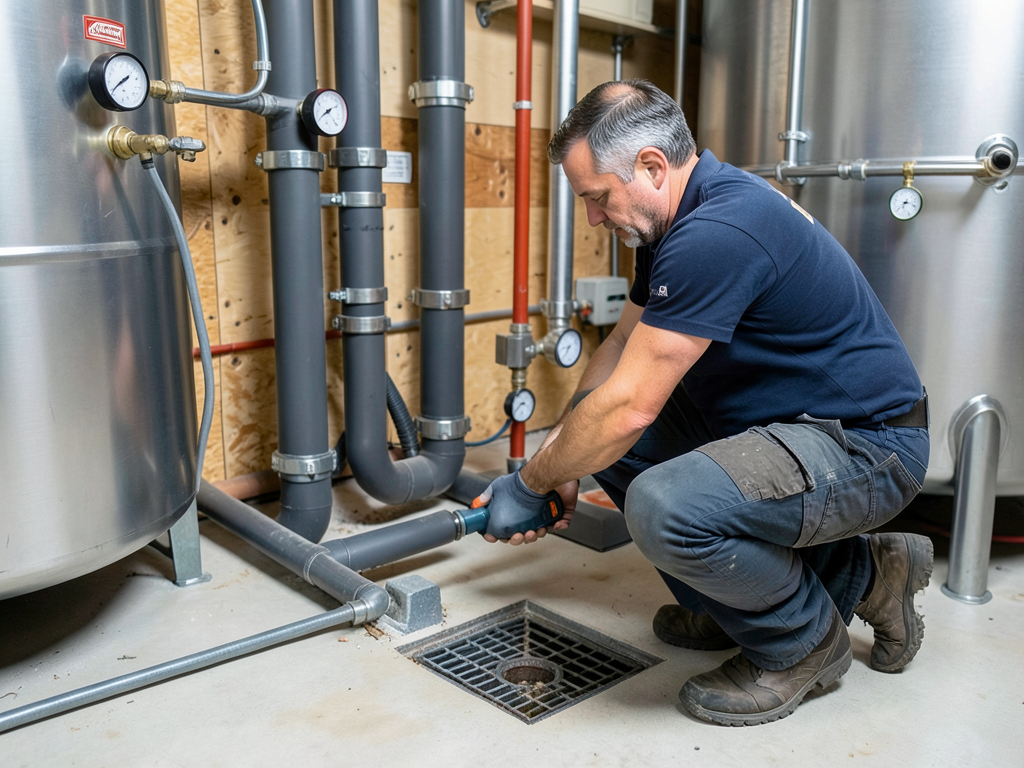
Setting Up the Perfect Plumbing System for Home Brewing in Your Audubon Park Garage
Building a home brewery in your Audubon Park garage requires more than just good beer recipes. The plumbing system forms the backbone of your brewing operation and determines everything from water quality to waste management. Central Florida’s unique water chemistry and building codes create specific challenges that require careful planning before you install your first fermenter. Florida Building Code.
Orlando’s water contains high levels of chlorine and chloramines that affect beer flavor. The Orange County building code requires specific permits for any plumbing modifications that handle food-grade liquids. Your garage’s existing drainage system may not handle the volume of hot water and spent grain you’ll produce during brewing sessions. Orlando Utilities Commission.
This guide walks you through every plumbing component needed for a professional-grade home brewery setup. We cover water filtration systems that remove Orlando’s chemical additives, proper drainage installation that prevents clogs from spent grain, and gas line requirements for your brewing kettle. Each section includes specific Orlando building code references and practical installation tips from local brewing enthusiasts. Is a Tankless Water Heater Right for Your Lake Nona Home?.
Understanding Orlando’s Water Quality for Brewing
Central Florida’s water supply comes primarily from the Floridan Aquifer and contains minerals that affect beer taste. Orlando’s municipal water typically shows total dissolved solids between 200-400 ppm with chlorine levels around 1.5 mg/L. These levels vary by neighborhood, with Audubon Park residents sometimes experiencing slightly higher mineral content due to older distribution lines.. Read more about Why Your Refrigerator Water Tastes Like Chlorine in Azalea Park.
Chlorine and chloramines in Orlando water create off-flavors described as medicinal or plastic-like in finished beer. These compounds also inhibit yeast activity during fermentation. A multi-stage filtration system becomes essential for serious home brewers. The first stage uses a sediment filter to remove particulates, followed by activated carbon to eliminate chlorine compounds, and finally a reverse osmosis membrane for mineral control.
Water pressure in Audubon Park typically ranges from 45-65 psi, sufficient for most home brewing equipment. However, older homes may experience pressure drops during peak usage hours. Installing a pressure regulator ensures consistent flow to your brewing system. The Orlando Utilities Commission recommends annual water testing for homes using water for food preparation. Why Old Maitland Homes Often Need Complete Copper Repiping.
Call (239) 467-5554 today to schedule your water quality assessment and filtration consultation.
Drainage Requirements for Home Brewery Setups
Proper drainage prevents the most common home brewery disasters: flooded garages and clogged sewer lines. Orlando building code requires floor drains in any space where liquids are regularly discharged. For a home brewery, this means installing a floor sink with a minimum 4-inch drain connected to your home’s main sewer line. Common Toilet Problems in Baldwin Park Townhomes and How We Fix Them.
The floor sink must handle temperatures up to 180°F from your brewing kettle’s hot break. Standard PVC drains soften at temperatures above 140°F, so you need CPVC Schedule 40 or copper piping for the hot side of your drainage system. The trap must be accessible for cleaning, as spent grain particles can accumulate and cause blockages.
Floor slope presents a critical consideration in garage installations. Concrete garage floors typically have minimal slope toward the main drain. You may need to build up surrounding areas with concrete or install a trench drain system to ensure proper water flow. The drain should be positioned where you’ll stand during brewing to catch spills immediately.
Backflow prevention devices protect your home’s potable water supply from contamination. Orange County requires a reduced pressure principle backflow preventer on any brewing system connected to the main water supply. This device prevents wort or cleaning chemicals from siphoning back into household pipes during pressure drops.
Water Supply Lines for Brewing Equipment
Your brewing system requires dedicated water lines that can handle both cold supply and hot return flows. PEX piping offers the best combination of flexibility and temperature resistance for home brewery applications. Use PEX-A for its superior flexibility and freeze resistance, even in Orlando’s mild climate.
Hot liquor tanks and mash tuns require consistent water temperatures between 150-170°F. Standard copper piping works well for these applications, but ensure all joints use lead-free solder. The brewing industry standard specifies 1/2-inch supply lines for most home systems, providing adequate flow without excessive pressure drop.
Water hammer arrestors prevent pipe damage from the sudden valve closures common in brewing operations. Install these devices on both hot and cold supply lines near your brewing equipment. The arrestors absorb pressure spikes that could otherwise damage PEX connections or cause leaks at threaded joints.
Flow rates determine how quickly you can heat strike water and chill wort. A typical 10-gallon batch requires filling a hot liquor tank at approximately 5 gallons per minute. Your home’s existing plumbing may need booster pumps to achieve these rates consistently. Calculate your system’s GPM requirements before finalizing your design. Who to Call for a Plumbing Emergency in Winter Park After Hours.
Gas Line Installation for Brewing Kettles
Natural gas or propane burners provide the most reliable heat source for brewing kettles. Orlando building code requires licensed plumbers for any gas line modifications or new installations. The pipe must be sized according to the burner’s BTU rating and distance from the gas meter.
A standard 10-gallon brewing system typically needs a 40,000 BTU burner. This requires 1/2-inch black iron pipe for runs under 20 feet from the gas source. Longer runs or higher BTU requirements need larger diameter pipes to maintain adequate pressure. Always install a shut-off valve within 6 feet of your brewing equipment.
Gas line pressure testing ensures system safety before first use. The Orange County plumbing code requires a 15-minute pressure test at 1.5 times the maximum operating pressure. Any pressure drop indicates leaks that must be located and repaired. Soap solution testing at all joints provides visual confirmation of leak-free connections.
Ventilation becomes critical when using gas burners in enclosed spaces. Your garage must have adequate airflow to prevent carbon monoxide buildup. Install a carbon monoxide detector near your brewing area as a safety backup. Some brewers opt for outdoor brewing stations to eliminate indoor air quality concerns entirely.
Floor Protection and Containment Systems
Brewery floors face constant exposure to water, heat, and chemical cleaners. Standard garage epoxy coatings provide minimal protection against prolonged moisture exposure. Commercial brewing operations use acid-resistant ceramic tile or sealed concrete, but these options may be excessive for home use.
Interlocking rubber floor tiles offer an excellent compromise for home breweries. These tiles provide chemical resistance, slip resistance when wet, and cushioning for long brewing sessions. Choose tiles with drainage channels that direct spills toward your floor drain. The tiles should extend at least 3 feet beyond your brewing equipment perimeter.
Containment berms prevent minor spills from becoming major messes. Install 2-inch high berms around your brewing area using silicone caulk and corner pieces. These barriers contain spills long enough for you to grab a towel or activate your floor drain. The berms should be low enough to step over easily but high enough to contain typical brewing splashes.
Wall protection prevents damage from hot liquid splashes and cleaning chemical overspray. Install stainless steel splash guards behind your brewing equipment. These guards should extend from floor to 6 feet high and cover the full width of your brewing station. The stainless steel withstands high temperatures and chemical exposure while remaining easy to clean.
Electrical Requirements for Brewing Systems
Modern brewing equipment often includes electronic temperature controllers, pumps, and monitoring systems. Your garage’s existing electrical circuit may not support these additional loads. A typical home brewery setup requires a dedicated 20-amp, 120-volt circuit for control systems and a separate 240-volt circuit for heating elements.
Ground fault circuit interrupter (GFCI) protection becomes mandatory in any brewing area where water and electricity intersect. The National Electrical Code requires GFCI protection for all 120-volt, single-phase, 15-and 20-amp receptacles in garage areas. This protection prevents electrical shock from ground faults caused by water exposure.
Control panels centralize your brewing system’s electrical components. A well-designed panel includes master power switches, pump controls, and temperature controller displays. All wiring should use outdoor-rated, water-resistant conduit and fittings. Label all circuits clearly for troubleshooting and maintenance.
Backup power considerations ensure your brewing process continues during Orlando’s occasional power outages. A small battery backup system can maintain temperature controllers and pumps for several hours. For longer outages, consider a portable generator with proper outdoor installation and transfer switching.
Waste Management and Environmental Compliance
Spent grain and hop debris create the biggest waste management challenges for home brewers. These materials expand significantly when wet and can clog household plumbing. Orlando’s wastewater treatment system cannot process high-strength organic waste from brewing operations.
Install a solids interceptor between your floor drain and the main sewer line. This device captures grain particles and hop debris before they enter your home’s plumbing. The interceptor requires periodic cleaning but prevents expensive sewer line blockages. Choose a model rated for your expected waste volume based on your typical batch size.
pH neutralization becomes necessary if you use acid-based cleaning chemicals. Brewery cleaning agents often have pH levels below 3.0, which can damage sewer pipes and upset wastewater treatment processes. An automatic pH neutralization system adjusts the waste stream to a neutral pH before discharge.
Water conservation measures reduce your environmental impact and utility costs. Recirculating wort chillers can use 50-100 gallons of water per batch. Install a water reclamation system that captures this water for cleaning or garden use. Some brewers connect their chillers to outdoor hose bibs to use reclaimed water for irrigation.
Temperature Control and Fermentation Space
Successful fermentation requires precise temperature control that your garage’s ambient conditions may not provide. Orlando’s climate creates significant temperature swings, with summer garage temperatures often exceeding 95°F. Fermentation temperatures outside the optimal range produce off-flavors and incomplete fermentation.
Insulated fermentation chambers maintain stable temperatures regardless of ambient conditions. Build these chambers using rigid foam insulation with R-values of at least 13. Include a small cooling unit and heating element controlled by a dual-stage temperature controller. The chamber should accommodate your largest fermenter with room for air circulation.
Humidity control prevents mold growth on fermentation equipment and packaging materials. Central Florida’s high humidity levels can cause condensation on cold surfaces, leading to mold and mildew. Install a small dehumidifier in your brewing area or ensure adequate ventilation with exhaust fans.
Light exposure affects beer quality during fermentation and storage. Ultraviolet light causes skunking in beer through a reaction with hop compounds. Use amber or opaque fermentation vessels, or store clear vessels in dark cabinets. Install LED lighting in your brewing area, as these produce minimal UV radiation.
Storage Solutions for Brewing Supplies
Efficient storage maximizes your limited garage space while keeping supplies organized and accessible. Grain storage requires protection from moisture, pests, and temperature extremes. Use food-grade plastic containers with airtight seals for whole grain storage. These containers should stack securely and fit under your brewing work surfaces.
Hop storage demands cold temperatures to preserve volatile aromatic compounds. A dedicated refrigerator or freezer maintains hops at 32-40°F, extending their usable life from months to years. Label all hop packages with variety, alpha acid content, and packaging date. Vacuum sealing further extends hop freshness.
Chemical storage for cleaning and sanitizing agents requires careful consideration. These products can be hazardous if mixed or used improperly. Install a locked cabinet for storing acids, caustics, and other dangerous chemicals. The cabinet should be clearly labeled and positioned away from heat sources and direct sunlight.
Tool organization prevents equipment damage and speeds up brewing sessions. Wall-mounted pegboards keep frequently used tools visible and accessible. Designate specific drawers or cabinets for specialized equipment like pH meters, thermometers, and hydrometers. Include silica gel packets in tool storage areas to prevent moisture damage.
Permitting and Code Compliance in Orange County
Orange County requires permits for most plumbing modifications, including those for home breweries. The permitting process ensures your installation meets Florida Building Code requirements and local health regulations. Submit detailed plans showing all plumbing modifications, gas line installations, and electrical changes.
Commercial food preparation activities in residential settings may trigger additional requirements. While home brewing for personal consumption typically falls under cottage food laws, selling beer or operating as a nano-brewery requires commercial licensing. Contact the Orange County Health Department to determine which regulations apply to your intended use.
Inspections verify that your installation meets code requirements. A plumbing inspector checks drainage, water supply, and gas line installations. Electrical inspections ensure proper wiring, grounding, and GFCI protection. Schedule inspections at key construction phases to avoid delays and ensure compliance.
Insurance considerations affect your brewery installation. Standard homeowner’s insurance may not cover brewing equipment or liability from brewing activities. Contact your insurance provider to discuss coverage options and any policy modifications needed for your home brewery.
Maintenance and Troubleshooting Your Brewery Plumbing
Regular maintenance prevents most plumbing failures in home breweries. Monthly inspections of all connections, seals, and joints identify potential problems before they cause damage. Check for signs of corrosion, mineral buildup, or wear on all plumbing components. Warning Signs You Might Have a Slab Leak Under Your Orlando Foundation.
Water heater maintenance ensures consistent strike water temperatures. Flush your water heater annually to remove sediment buildup that reduces efficiency and heating capacity. Check the temperature and pressure relief valve quarterly to ensure it operates correctly. Consider a tankless water heater for on-demand hot water with precise temperature control.
Drain line maintenance prevents costly blockages. Pour boiling water down your floor drain monthly to dissolve soap scum and grease buildup. Use enzyme-based drain cleaners quarterly to break down organic matter. Never use chemical drain cleaners, as these can damage your plumbing and contaminate your brewing water.
Gas line safety checks prevent dangerous leaks. Test all gas connections annually using soap solution or electronic leak detectors. Check burner operation and flame characteristics, as yellow or flickering flames indicate incomplete combustion. Keep the area around gas appliances clear of flammable materials and provide adequate ventilation.
Cost Considerations and ROI for Home Brewery Plumbing
Plumbing modifications for a home brewery represent a significant investment, but proper planning prevents costly mistakes. Basic plumbing upgrades typically range from $2,000 to $8,000 depending on the complexity of your system. This includes drainage modifications, water supply lines, and basic temperature control.
Premium features like dedicated water filtration, advanced temperature control, and professional-grade drainage increase costs but improve brewing consistency. Many brewers find that investing in quality plumbing components early prevents frustration and equipment damage later. Consider your brewing frequency and batch size when deciding which features justify the expense.
Energy efficiency reduces long-term operating costs. Insulate hot water lines to prevent heat loss during transfers. Install low-flow faucets and nozzles that maintain pressure while reducing water consumption. These measures may increase upfront costs but provide ongoing savings through reduced utility bills.
DIY versus professional installation presents a key decision point. Simple modifications like adding a utility sink may be within a skilled homeowner’s capabilities. However, gas line work, electrical modifications, and drainage installations require professional expertise to ensure safety and code compliance. Factor permit costs and potential inspection fees into your budget.
Future Expansion and Scalability
Design your plumbing system with future growth in mind. Many home brewers start with 5-gallon batches but quickly expand to 10 or 15 gallons as their skills improve. Oversizing your water supply lines, drainage capacity, and electrical circuits accommodates future expansion without major rework.
Modular design allows incremental upgrades as your brewing needs evolve. Install extra conduit and junction boxes during initial construction to simplify adding new equipment later. Design your floor plan to accommodate larger fermenters or additional brewing stations without major replumbing.
Technology integration prepares your system for future brewing innovations. Install network-enabled temperature controllers and monitoring systems that allow remote operation. Consider smart water valves that can be programmed for different brewing processes. These technologies may not be necessary now but become easier to install during initial construction.
Resale value considerations affect your investment decisions. A well-designed home brewery can increase your home’s appeal to certain buyers. However, ensure all modifications can be reversed if needed. Keep original plumbing components and document all changes for future homeowners or potential buyers.
Frequently Asked Questions
Do I need a permit for a home brewery in Audubon Park?
Yes, Orange County requires permits for most plumbing modifications, including those for home breweries. The permitting process ensures your installation meets Florida Building Code requirements and local health regulations. Contact the Orange County Building Division for specific requirements based on your planned modifications.
What type of water filtration system do I need for brewing in Orlando?
Orlando’s water contains chlorine and chloramines that affect beer flavor. A multi-stage system with sediment filtration, activated carbon, and reverse osmosis provides the best results. The specific configuration depends on your brewing style and water chemistry, which varies by neighborhood.
How much does it cost to install brewery plumbing in a garage?
Basic plumbing upgrades typically range from $2,000 to $8,000 depending on complexity. This includes drainage modifications, water supply lines, and basic temperature control. Premium features like dedicated water filtration and professional-grade drainage increase costs but improve brewing consistency.
Can I install the plumbing myself or do I need a professional?
Simple modifications may be within a skilled homeowner’s capabilities, but gas line work, electrical modifications, and drainage installations require professional expertise. Licensed plumbers ensure safety and code compliance, which protects your investment and prevents potential liability issues.
What are the most common plumbing problems in home breweries?
Clogged drains from spent grain, temperature control issues, and gas line leaks represent the most common problems. Regular maintenance prevents most failures. Monthly inspections of all connections and annual professional check-ups catch potential issues before they cause damage.
Ready to start your home brewery project? Call (239) 467-5554 today for a free consultation and estimate.
Conclusion
Setting up the perfect plumbing system for your Audubon Park home brewery requires careful planning and professional expertise. The unique challenges of Orlando’s water quality, building codes, and climate create specific requirements that generic brewing advice may not address. From proper drainage installation to temperature control systems, each component plays a crucial role in your brewing success.
Professional installation ensures your system meets all safety codes while providing the reliability you need for consistent brewing results. The initial investment in quality plumbing components and professional installation pays dividends through trouble-free operation and superior beer quality. Whether you’re a beginner or an experienced brewer, the right plumbing foundation transforms your garage into a professional-grade brewing facility.
Don’t let plumbing challenges derail your brewing dreams. Contact Grand Plumbing Orlando at (239) 467-5554 for expert guidance on your home brewery project. Our licensed plumbers understand the specific requirements for brewing systems and can help you design and install the perfect setup for your needs.
Call (239) 467-5554 now to schedule your home brewery plumbing consultation.
{
“@context”: “https://schema.org”,
“@type”: “BlogPosting”,
“headline”: “Setting Up the Perfect Plumbing System for Home Brewing in Your Audubon Park Garage”,
“description”: “Expert guide to home brewery plumbing in Audubon Park. Learn drainage, water filtration, and Orlando code compliance for the perfect brewing setup.”,
“wordCount”: 3161,
“datePublished”: “2026-05-27T11:35:00.000Z”,
“dateModified”: “2026-05-27T11:35:00.000Z”,
“inLanguage”: “en-US”,
“mainEntityOfPage”: {
“@type”: “WebPage”,
“@id”: “https://grandplumbingorlando.com”
},
“publisher”: {
“@type”: “LocalBusiness”,
“name”: “Grand Plumbing Orlando”,
“url”: “https://grandplumbingorlando.com”
},
“author”: {
“@type”: “Organization”,
“name”: “Grand Plumbing Orlando”,
“url”: “https://grandplumbingorlando.com”
},
“image”: {
“@type”: “ImageObject”,
“url”: “https://grandplumbingorlando.com/wp-content/uploads/2026/03/setting-up-the-perfect-plumbing-system-for-home-br-1.png”
}
}
{
“@context”: “https://schema.org”,
“@type”: “Plumber”,
“name”: “Grand Plumbing Orlando”,
“url”: “https://grandplumbingorlando.com”,
“address”: {
“@type”: “PostalAddress”,
“addressLocality”: “Orlando”
},
“areaServed”: {
“@type”: “City”,
“name”: “Orlando”
}
}
{
“@context”: “https://schema.org”,
“@type”: “FAQPage”,
“mainEntity”: [
{
“@type”: “Question”,
“name”: “Do I need a permit for a home brewery in Audubon Park?”,
“acceptedAnswer”: {
“@type”: “Answer”,
“text”: “Yes, Orange County requires permits for most plumbing modifications, including those for home breweries. The permitting process ensures your installation meets Florida Building Code requirements and local health regulations. Contact the Orange County Building Division for specific requirements based on your planned modifications.”
}
},
{
“@type”: “Question”,
“name”: “What type of water filtration system do I need for brewing in Orlando?”,
“acceptedAnswer”: {
“@type”: “Answer”,
“text”: “Orlando’s water contains chlorine and chloramines that affect beer flavor. A multi-stage system with sediment filtration, activated carbon, and reverse osmosis provides the best results. The specific configuration depends on your brewing style and water chemistry, which varies by neighborhood.”
}
},
{
“@type”: “Question”,
“name”: “How much does it cost to install brewery plumbing in a garage?”,
“acceptedAnswer”: {
“@type”: “Answer”,
“text”: “Basic plumbing upgrades typically range from $2,000 to $8,000 depending on complexity. This includes drainage modifications, water supply lines, and basic temperature control. Premium features like dedicated water filtration and professional-grade drainage increase costs but improve brewing consistency.”
}
},
{
“@type”: “Question”,
“name”: “Can I install the plumbing myself or do I need a professional?”,
“acceptedAnswer”: {
“@type”: “Answer”,
“text”: “Simple modifications may be within a skilled homeowner’s capabilities, but gas line work, electrical modifications, and drainage installations require professional expertise. Licensed plumbers ensure safety and code compliance, which protects your investment and prevents potential liability issues.”
}
},
{
“@type”: “Question”,
“name”: “What are the most common plumbing problems in home breweries?”,
“acceptedAnswer”: {
“@type”: “Answer”,
“text”: “Clogged drains from spent grain, temperature control issues, and gas line leaks represent the most common problems. Regular maintenance prevents most failures. Monthly inspections of all connections and annual professional check-ups catch potential issues before they cause damage.”
}
}
]
}
{
“@context”: “https://schema.org”,
“@type”: “BreadcrumbList”,
“itemListElement”: [
{
“@type”: “ListItem”,
“position”: 1,
“name”: “Home”,
“item”: “https://grandplumbingorlando.com”
},
{
“@type”: “ListItem”,
“position”: 2,
“name”: “Blog”,
“item”: “https://grandplumbingorlando.com/blog”
},
{
“@type”: “ListItem”,
“position”: 3,
“name”: “Setting Up the Perfect Plumbing System for Home Brewing in Your Audubon Park Garage”
}
]
}
{
“@context”: “https://schema.org”,
“@type”: “Service”,
“serviceType”: “Plumbing”,
“provider”: {
“@type”: “LocalBusiness”,
“name”: “Grand Plumbing Orlando”,
“url”: “https://grandplumbingorlando.com”
},
“areaServed”: {
“@type”: “City”,
“name”: “Orlando”
},
“description”: “Expert guide to home brewery plumbing in Audubon Park. Learn drainage, water filtration, and Orlando code compliance for the perfect brewing setup.”
}