
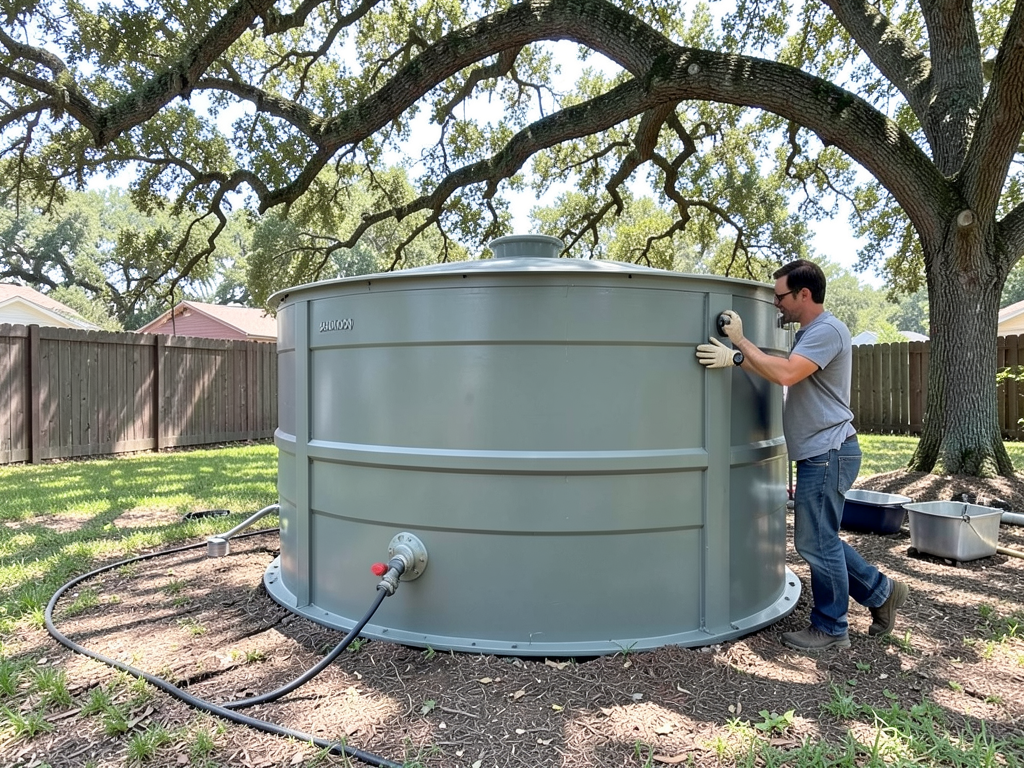
Setting Up a Sustainable Rainwater Collection System for Your Audubon Park Garden
Audubon Park gardeners can capture up to 600 gallons of rainwater from a single inch of rainfall on a 1,000-square-foot roof. Central Florida averages 51 inches of rain annually making rainwater harvesting both practical and sustainable for Orlando homes. Professional installation ensures your system meets Florida Building Code (Plumbing) requirements and integrates seamlessly with existing irrigation. Florida Building Code (Plumbing) requirements.
Why Audubon Park Gardeners Choose Rainwater Harvesting
Audubon Park sits on sandy soil that drains quickly. Native plants like coontie and muhly grass thrive with rainwater but struggle during dry spells. A properly sized system can reduce Orlando Utilities Commission (OUC) irrigation costs by up to 40 percent while keeping your garden lush. Is a Tankless Water Heater Right for Your Lake Nona Home?.
The neighborhood’s tree canopy and mature oaks create unique challenges. Leaves and debris can clog basic rain barrels within weeks. Professional-grade diverters and first-flush systems prevent contamination and extend the life of your storage tank.
Audubon Park’s location near the Econlockhatchee River means stormwater runoff affects local waterways. Rainwater collection reduces this impact while providing free irrigation water for your garden.
Understanding Orlando’s Rainwater Harvesting Regulations
Florida Statute 373.1961 protects the right to collect rainwater for non-potable use. However systems over 500 gallons require a permit from Orange County Building Services. The Florida Building Code (Plumbing) mandates backflow prevention devices to protect the municipal water supply. Who to Call for a Plumbing Emergency in Winter Park After Hours.
The St. Johns River Water Management District encourages rainwater harvesting through educational programs. They recommend keeping storage tanks at least 10 feet from property lines to prevent structural concerns. Local codes also require mosquito-proof screening on all openings larger than one-sixteenth of an inch. St. Johns River Water Management District.
Choosing the Right System for Your Audubon Park Garden
Basic rain barrels hold 50 to 80 gallons and work for small container gardens. For larger landscapes cisterns ranging from 500 to 5,000 gallons provide reliable storage. Underground cisterns save space but cost more to install in Audubon Park’s sandy soil.
Above-ground tanks work well for most homes. They require a stable level pad and UV-resistant materials to prevent algae growth. Pressure-fed systems connect directly to existing sprinklers while gravity-fed setups work best for drip irrigation. Why Old Maitland Homes Often Need Complete Copper Repiping.
- Calculate Roof Catchment Area
Measure the footprint of your home and multiply by the roof’s runoff coefficient typically 0.8 for standard roofs.
- Determine Monthly Rainfall
Use Orlando’s average monthly rainfall data from the National Weather Service to estimate collection potential. National Weather Service rainfall data.
- Size Storage Based on Garden Needs
Calculate your garden’s weekly water requirements and multiply by the longest dry period in Central Florida usually 3-4 weeks.
Professional Installation vs. DIY Rain Barrels
DIY rain barrels cost $100 to $300 but lack essential features like first-flush diverters and proper overflow management. Professional systems start around $2,500 and include permits code-compliant installation and warranties.
Professional installation prevents common failures. We’ve seen DIY systems collapse under the weight of full tanks or develop algae blooms within months. Our technicians install pressure relief valves and automatic shut-off switches that DIY kits omit. Common Toilet Problems in Baldwin Park Townhomes and How We Fix Them.
Professional systems also integrate with smart controllers. These devices adjust watering schedules based on rainfall soil moisture and Orlando’s seasonal patterns. This automation maximizes water savings while protecting your plants.
Filtration and Treatment for Safe Garden Use
Rainwater collected from roofs contains bird droppings pollen and roofing material particles. A three-stage filtration system removes these contaminants before water reaches your garden.
The first stage uses a 100-micron screen to catch leaves and debris. The second stage employs a 20-micron sediment filter for finer particles. The final stage may include activated carbon to remove organic compounds and improve water quality.
For systems that supply toilets or washing machines UV sterilization kills bacteria and viruses. This non-chemical treatment keeps water safe for indoor non-potable uses while meeting Florida Department of Environmental Protection guidelines.
Integration with Existing Irrigation Systems
Connecting a rainwater system to your existing sprinklers requires a pump and pressure tank. The pump activates when irrigation demands exceed rainwater supply then switches to municipal water automatically.
We install dedicated irrigation zones for rainwater to prevent cross-contamination. These zones use drip emitters or low-flow spray heads optimized for harvested water. The system includes a water level indicator so you know when to supplement with city water.
Smart controllers learn your garden’s watering patterns and adjust for rainfall automatically. They can delay watering after a storm or increase cycles during dry spells maximizing the use of harvested rainwater.
Mosquito Prevention in Central Florida’s Climate
Florida’s warm humid climate makes mosquito control critical for rainwater systems. Female mosquitoes can lay eggs in as little as one teaspoon of standing water. Professional systems include several prevention layers.
All tank openings feature fine mesh screens with openings smaller than one-sixteenth of an inch. We install first-flush diverters that discard the initial roof runoff which contains the most contaminants and insect eggs. Some systems use biological larvicides that kill mosquito larvae without harming plants.
Regular maintenance prevents mosquito breeding. We recommend cleaning screens monthly during rainy season and inspecting tanks quarterly for cracks or gaps. A properly maintained system poses minimal mosquito risk.
Maintenance Requirements for Long-Term Success
Rainwater systems need seasonal maintenance to function properly in Central Florida. Clean gutters and downspouts prevent debris from entering the system. Check diverter valves quarterly to ensure they operate correctly.
Inspect tank walls for cracks or leaks annually. Sandy soil in Audubon Park can shift slightly potentially stressing tank connections. Tighten fittings and replace worn seals before they fail.
Flush sediment filters every three months and replace them annually. UV lamps lose effectiveness after about 9,000 hours of use so replace them yearly even if they still light up. These simple steps prevent system failures and maintain water quality.
Cost-Benefit Analysis for Audubon Park Homeowners
A basic 500-gallon system costs approximately $2,500 installed. This includes permits professional installation and basic filtration. Larger 2,000-gallon systems with smart controllers run $6,000 to $8,000.
Annual maintenance costs average $200 to $300. However OUC customers can save $100 to $300 per year on water bills. The system typically pays for itself in 8 to 12 years but the environmental benefits begin immediately.
Many Audubon Park homeowners value the sustainability aspect beyond pure economics. Reducing stormwater runoff helps protect local waterways from fertilizer and pesticide contamination. Some homeowners associations offer rebates for water conservation measures.
Getting Started with Your Rainwater System
Professional assessment determines the best system for your specific property. We evaluate roof size garden water needs available space and local regulations. This analysis ensures you get a system that actually saves water and money.
Installation typically takes two to three days. We handle all permits and inspections required by Orange County. The process includes site preparation tank installation plumbing connections and system testing. Plumbing Clermont.
After installation we provide a maintenance schedule and demonstrate system operation. Most homeowners find the system easy to manage once they understand the basics. We remain available for ongoing support and seasonal tune-ups.
Frequently Asked Questions
How much rainwater can I collect from my roof?
One inch of rainfall on a 1,000-square-foot roof yields about 600 gallons of water. Central Florida’s average annual rainfall allows you to collect thousands of gallons yearly.
Do I need a permit for a rainwater collection system?
Systems under 500 gallons typically don’t require permits. Larger systems need permits from Orange County Building Services and must meet Florida Building Code requirements.
Can I use rainwater for indoor purposes?
Rainwater works for outdoor irrigation and some indoor non-potable uses like toilet flushing and laundry. Indoor use requires additional filtration and UV treatment to meet safety standards.
How do I prevent mosquitoes in my rain barrel?
Professional systems include fine mesh screens first-flush diverters and proper overflow management. These features prevent mosquitoes from accessing standing water.
What maintenance does a rainwater system require?
Clean gutters quarterly inspect tank connections annually and replace filters as recommended. Professional maintenance ensures system longevity and prevents common problems.
Will a rainwater system work during dry spells?
Most systems include automatic switches to municipal water when rainwater runs low. This ensures your garden always receives adequate water regardless of rainfall.
How long do rainwater collection systems last?
Quality systems last 15 to 20 years with proper maintenance. Tanks pumps and filters have different lifespans but the overall system remains functional with periodic component replacement.
Can I install a system myself?
DIY installation saves money upfront but often leads to problems. Professional installation ensures code compliance proper sizing and warranty protection.
Does rainwater hurt my plants?
Rainwater actually benefits most plants. It’s naturally soft slightly acidic and free of chlorine and fluoride found in municipal water.
How do I know what size system I need?
Professional assessment considers your roof size garden water needs and local rainfall patterns. This analysis determines the optimal storage capacity for your situation.
Ready to start harvesting rainwater for your Audubon Park garden? Call (239) 467-5554 today to schedule your professional assessment. Our technicians will evaluate your property explain your options and provide a detailed quote with no pressure. Don’t wait until the next rainy season passes you by.
Pick up the phone and call (239) 467-5554 before the next storm hits. We’ll help you capture that free water and put it to work in your garden while reducing your water bills and environmental impact.
You may also find this helpful. Comparing Garbage Disposals and Composting for Your Eco-Friendly Lifestyle in Thornton Park.
{
“@context”: “https://schema.org”,
“@type”: “BlogPosting”,
“headline”: “Setting Up a Sustainable Rainwater Collection System for Your Audubon Park Garden”,
“description”: “Learn how to install rainwater collection systems in Audubon Park. Save water, reduce bills, and protect your garden with professional solutions.”,
“wordCount”: 1611,
“datePublished”: “2026-05-02T13:42:00.000Z”,
“dateModified”: “2026-05-02T13:42:00.000Z”,
“inLanguage”: “en-US”,
“mainEntityOfPage”: {
“@type”: “WebPage”,
“@id”: “https://grandplumbingorlando.com”
},
“publisher”: {
“@type”: “LocalBusiness”,
“name”: “Grand Plumbing Orlando”,
“url”: “https://grandplumbingorlando.com”
},
“author”: {
“@type”: “Organization”,
“name”: “Grand Plumbing Orlando”,
“url”: “https://grandplumbingorlando.com”
},
“image”: {
“@type”: “ImageObject”,
“url”: “https://grandplumbingorlando.com/wp-content/uploads/2026/03/setting-up-a-sustainable-rainwater-collection-syst-1.png”
}
}
{
“@context”: “https://schema.org”,
“@type”: “Plumber”,
“name”: “Grand Plumbing Orlando”,
“url”: “https://grandplumbingorlando.com”,
“address”: {
“@type”: “PostalAddress”,
“addressLocality”: “Orlando”
},
“areaServed”: {
“@type”: “City”,
“name”: “Orlando”
}
}
{
“@context”: “https://schema.org”,
“@type”: “FAQPage”,
“mainEntity”: [
{
“@type”: “Question”,
“name”: “How much rainwater can I collect from my roof?”,
“acceptedAnswer”: {
“@type”: “Answer”,
“text”: “One inch of rainfall on a 1,000-square-foot roof yields about 600 gallons of water. Central Florida’s average annual rainfall allows you to collect thousands of gallons yearly.”
}
},
{
“@type”: “Question”,
“name”: “Do I need a permit for a rainwater collection system?”,
“acceptedAnswer”: {
“@type”: “Answer”,
“text”: “Systems under 500 gallons typically don’t require permits. Larger systems need permits from Orange County Building Services and must meet Florida Building Code requirements.”
}
},
{
“@type”: “Question”,
“name”: “Can I use rainwater for indoor purposes?”,
“acceptedAnswer”: {
“@type”: “Answer”,
“text”: “Rainwater works for outdoor irrigation and some indoor non-potable uses like toilet flushing and laundry. Indoor use requires additional filtration and UV treatment to meet safety standards.”
}
},
{
“@type”: “Question”,
“name”: “How do I prevent mosquitoes in my rain barrel?”,
“acceptedAnswer”: {
“@type”: “Answer”,
“text”: “Professional systems include fine mesh screens first-flush diverters and proper overflow management. These features prevent mosquitoes from accessing standing water.”
}
},
{
“@type”: “Question”,
“name”: “What maintenance does a rainwater system require?”,
“acceptedAnswer”: {
“@type”: “Answer”,
“text”: “Clean gutters quarterly inspect tank connections annually and replace filters as recommended. Professional maintenance ensures system longevity and prevents common problems.”
}
},
{
“@type”: “Question”,
“name”: “Will a rainwater system work during dry spells?”,
“acceptedAnswer”: {
“@type”: “Answer”,
“text”: “Most systems include automatic switches to municipal water when rainwater runs low. This ensures your garden always receives adequate water regardless of rainfall.”
}
},
{
“@type”: “Question”,
“name”: “How long do rainwater collection systems last?”,
“acceptedAnswer”: {
“@type”: “Answer”,
“text”: “Quality systems last 15 to 20 years with proper maintenance. Tanks pumps and filters have different lifespans but the overall system remains functional with periodic component replacement.”
}
},
{
“@type”: “Question”,
“name”: “Can I install a system myself?”,
“acceptedAnswer”: {
“@type”: “Answer”,
“text”: “DIY installation saves money upfront but often leads to problems. Professional installation ensures code compliance proper sizing and warranty protection.”
}
},
{
“@type”: “Question”,
“name”: “Does rainwater hurt my plants?”,
“acceptedAnswer”: {
“@type”: “Answer”,
“text”: “Rainwater actually benefits most plants. It’s naturally soft slightly acidic and free of chlorine and fluoride found in municipal water.”
}
},
{
“@type”: “Question”,
“name”: “How do I know what size system I need?”,
“acceptedAnswer”: {
“@type”: “Answer”,
“text”: “Professional assessment considers your roof size garden water needs and local rainfall patterns. This analysis determines the optimal storage capacity for your situation.”
}
}
]
}
{
“@context”: “https://schema.org”,
“@type”: “HowTo”,
“name”: “How to Size Your Rainwater System”,
“step”: [
{
“@type”: “HowToStep”,
“position”: 1,
“name”: “Calculate Roof Catchment Area”,
“text”: “Measure the footprint of your home and multiply by the roof’s runoff coefficient typically 0.8 for standard roofs.”
},
{
“@type”: “HowToStep”,
“position”: 2,
“name”: “Determine Monthly Rainfall”,
“text”: “Use Orlando’s average monthly rainfall data from the National Weather Service to estimate collection potential. National Weather Service rainfall data.”
},
{
“@type”: “HowToStep”,
“position”: 3,
“name”: “Size Storage Based on Garden Needs”,
“text”: “Calculate your garden’s weekly water requirements and multiply by the longest dry period in Central Florida usually 3-4 weeks.”
}
],
“image”: “https://grandplumbingorlando.com/wp-content/uploads/2026/03/setting-up-a-sustainable-rainwater-collection-syst-1.png”
}
{
“@context”: “https://schema.org”,
“@type”: “BreadcrumbList”,
“itemListElement”: [
{
“@type”: “ListItem”,
“position”: 1,
“name”: “Home”,
“item”: “https://grandplumbingorlando.com”
},
{
“@type”: “ListItem”,
“position”: 2,
“name”: “Blog”,
“item”: “https://grandplumbingorlando.com/blog”
},
{
“@type”: “ListItem”,
“position”: 3,
“name”: “Setting Up a Sustainable Rainwater Collection System for Your Audubon Park Garden”
}
]
}
{
“@context”: “https://schema.org”,
“@type”: “Service”,
“serviceType”: “Plumbing”,
“provider”: {
“@type”: “LocalBusiness”,
“name”: “Grand Plumbing Orlando”,
“url”: “https://grandplumbingorlando.com”
},
“areaServed”: {
“@type”: “City”,
“name”: “Orlando”
},
“description”: “Learn how to install rainwater collection systems in Audubon Park. Save water, reduce bills, and protect your garden with professional solutions.”
}